Dry Grape Grigio Non Alcoholic
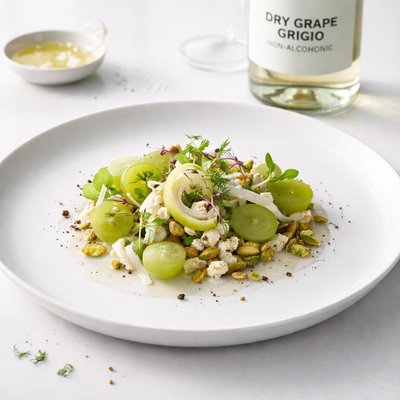
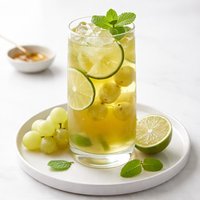
Elevate your non-alcoholic beverage game with this sophisticated Dry Grape Grigio, a refreshing mocktail that beautifully mimics the elegance of white wine. Crafted with unsweetened white grape juice, chilled green tea, and a dash of white balsamic vinegar for a subtle, wine-like dryness, this drink is the perfect balance of crisp and aromatic. A splash of sparkling water brings effervescence, while fresh rosemary sprigs provide a stunning garnish and fragrant finish. Ready in just 10 minutes, this mocktail is ideal for summer gatherings, brunches, or anytime you want a refined, alcohol-free alternative. Perfect for health-conscious drinkers and wine lovers alike, this recipe is a must-try for your next special occasion!
The Toxic-Free Cutting Board
Medical-grade titanium. No microplastics. No bacteria. No compromises.

Recipe Information
Ingredients
- 500 ml White grape juice (unsweetened, 100% juice)
- 250 ml Green tea (brewed and chilled)
- 2 tbsp Fresh lemon juice
- 300 ml Sparkling water
- 1 tsp White balsamic vinegar
- 2 sprigs Fresh rosemary sprigs (optional, for garnish)
- 6 pieces Ice cubes
Instructions
1. Brew a strong green tea by steeping 1-2 tea bags in 250ml of hot water for 4-5 minutes. Allow it to cool completely and then chill in the refrigerator.
2. In a pitcher or mixing container, combine the white grape juice, chilled green tea, and fresh lemon juice.
3. Add 1 teaspoon of white balsamic vinegar to the mixture, stirring well. This adds a subtle acidity to mimic the dryness of white wine.
4. Just before serving, pour in the sparkling water and give everything a gentle stir to maintain the bubbles.
5. Fill two wine glasses with ice cubes and pour the non-alcoholic mixture evenly into both glasses.
6. Garnish each glass with a sprig of fresh rosemary for an aromatic touch, if desired.
7. Serve immediately and enjoy your Dry Grape Grigio Non-Alcoholic beverage!
Nutrition Facts
Calories |
172 | ||
|---|---|---|---|
% Daily Value* |
|||
| Total Fat | 0.0 g | 0% | |
| Saturated Fat | 0.0 g | 0% | |
| Polyunsaturated Fat | 0.0 g | ||
| Cholesterol | 0 mg | 0% | |
| Sodium | 24 mg | 1% | |
| Total Carbohydrate | 42.5 g | 15% | |
| Dietary Fiber | 0.6 g | 2% | |
| Total Sugars | 39.7 g | ||
| Protein | 1.1 g | 2% | |
| Vitamin D | 0.0 mcg | 0% | |
| Calcium | 33 mg | 3% | |
| Iron | 0.6 mg | 3% | |
| Potassium | 319 mg | 7% | |
*The % Daily Value tells you how much a nutrient in a serving of food contributes to a daily diet. 2,000 calories a day is used for general nutrition advice.



