Diabetic Frozen Peach Yogurt
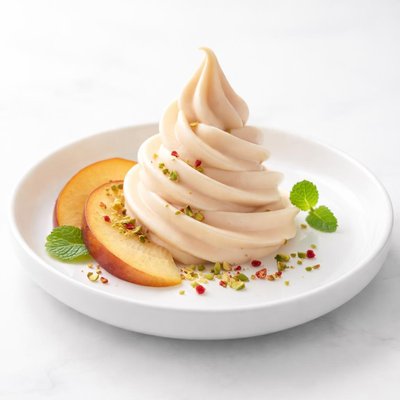
Cool down with this creamy and refreshing Diabetic Frozen Peach Yogurt, a guilt-free dessert that's as simple as it is satisfying. Made with just five wholesome ingredients—frozen peach slices, plain unsweetened Greek yogurt, a hint of vanilla, fresh lemon juice, and an optional touch of honey or sugar-free sweetener—this easy recipe is designed to deliver big flavor with minimal effort. Ready in just 10 minutes, it's a perfect low-sugar treat for those managing diabetes or anyone looking for a healthier alternative to traditional ice cream. Enjoy it soft-serve style straight from the blender or freeze it for a firmer texture. With its vibrant peachy flavor and velvety smoothness, this frozen yogurt is a delightful way to indulge while staying on track with your health goals!
Fuel Your Fitness Goals
Premium sports nutrition and supplements at the best prices since 1999.
Over 25 years of sports nutrition excellence



Recipe Information
Ingredients
- 3 cups Frozen peach slices
- 1 cup Plain unsweetened Greek yogurt
- 2 tablespoons Honey or sugar-free sweetener (optional)
- 1 tablespoon Fresh lemon juice
- 1 teaspoon Vanilla extract
Instructions
Place the frozen peach slices in a high-powered blender or food processor.
Add the plain unsweetened Greek yogurt, fresh lemon juice, and vanilla extract to the blender.
If desired, add honey or a sugar-free sweetener to taste, depending on your sweetness preference.
Blend the ingredients together on high speed until smooth and creamy. You may need to pause occasionally to scrape down the sides and ensure everything is evenly mixed.
Taste the mixture and adjust sweetness if necessary. Blend again briefly if you make adjustments.
Serve immediately for a soft-serve texture, or transfer the mixture to an airtight container and freeze for 1-2 hours for a firmer texture.
Scoop into bowls or cones and enjoy your healthy and delicious frozen treat!
Nutrition Facts
Calories |
156 | ||
|---|---|---|---|
% Daily Value* |
|||
| Total Fat | 0.5 g | 1% | |
| Saturated Fat | 0.3 g | 1% | |
| Polyunsaturated Fat | 0.0 g | ||
| Cholesterol | 2 mg | 1% | |
| Sodium | 20 mg | 1% | |
| Total Carbohydrate | 29.8 g | 11% | |
| Dietary Fiber | 2.5 g | 9% | |
| Total Sugars | 25.8 g | ||
| Protein | 5.3 g | 11% | |
| Vitamin D | 0.0 mcg | 0% | |
| Calcium | 52 mg | 4% | |
| Iron | 0.5 mg | 3% | |
| Potassium | 309 mg | 7% | |
*The % Daily Value tells you how much a nutrient in a serving of food contributes to a daily diet. 2,000 calories a day is used for general nutrition advice.



