Dairy-Free Hong Kong Milk Tea

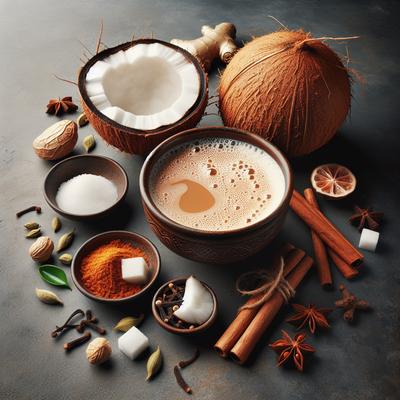
Indulge in the rich and aromatic allure of Dairy-Free Hong Kong Milk Tea, a delightful twist on the classic beverage that’s perfect for those avoiding dairy. This recipe combines robust black tea with a creamy blend of almond and coconut milk, offering a velvety texture and depth of flavor without traditional milk. Sweetened to perfection with just the right touch of sugar, this dairy-free alternative delivers all the comfort and charm of Hong Kong’s famous milk tea. With a simple steeping process and quick prep time, you can enjoy this versatile drink hot for a cozy treat or chilled over ice for a refreshing pick-me-up. Perfect for tea lovers seeking a lactose-free version, Dairy-Free Hong Kong Milk Tea is a silky indulgence you’ll savor sip after sip.

Get More Healthy Recipes with SnapCalorie


Recipe Information
Ingredients
- 3 bags Black tea bags
- 1 cup Almond milk
- 1 cup Coconut milk
- 2 cups Water
- 2 tablespoons Sugar
Instructions
Start by boiling 2 cups of water in a medium saucepan over medium heat.
Once the water comes to a rolling boil, turn off the heat and add the 3 black tea bags.
Let the tea bags steep in the hot water for 5 minutes for a strong brew.
Remove the tea bags and discard them, then stir in 2 tablespoons of sugar while the tea is still hot so it dissolves completely.
In a separate saucepan, combine 1 cup of almond milk and 1 cup of coconut milk.
Heat this mixture gently over medium-low heat, stirring occasionally until it is warm but not boiling.
Slowly pour the warm almond and coconut milk mixture into the brewed tea, stirring to fully combine.
Pour the dairy-free Hong Kong milk tea into cups or mugs, and serve hot. Optionally, you can refrigerate it for a cold version and serve over ice.
Nutrition Facts
Calories |
216 | ||
|---|---|---|---|
% Daily Value* |
|||
| Total Fat | 3.0 g | 4% | |
| Saturated Fat | 0.2 g | 1% | |
| Polyunsaturated Fat | 0.0 g | ||
| Cholesterol | 0 mg | 0% | |
| Sodium | 228 mg | 10% | |
| Total Carbohydrate | 47.1 g | 17% | |
| Dietary Fiber | 0.0 g | 0% | |
| Total Sugars | 41.8 g | ||
| Protein | 1.0 g | 2% | |
| Vitamin D | 2.5 mcg | 12% | |
| Calcium | 512 mg | 39% | |
| Iron | 0.3 mg | 2% | |
| Potassium | 251 mg | 5% | |
*The % Daily Value tells you how much a nutrient in a serving of food contributes to a daily diet. 2,000 calories a day is used for general nutrition advice.


