Chocolate Crackles
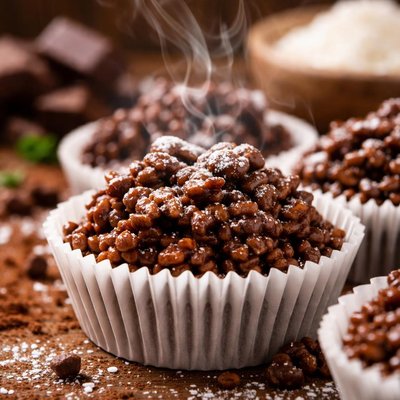
Decadent, nostalgic, and irresistibly crunchy, Chocolate Crackles are a no-bake treat that’s perfect for parties, picnics, or a sweet snack any time of day. This beloved recipe combines crispy rice cereal with the rich flavors of cocoa powder and the tropical sweetness of shredded coconut, all bound together with silky melted Copha for a perfectly firm yet tender texture. Ready in just 15 minutes of prep and cook time, these crowd-pleasers are effortlessly portioned into mini cupcake liners for easy serving. Ideal for chocoholics and fans of classic Australian desserts, Chocolate Crackles are a must-try for anyone seeking a quick and fuss-free dessert that’s both kid- and adult-friendly. Store them in the fridge to keep that satisfying crunch intact!
Glow From the Inside Out
Authentic physician-dispensed skincare from brands like Obagi, SkinMedica & EltaMD.
Trusted by dermatologists, loved by your skin




Recipe Information
Ingredients
- 4 cups Crispy rice cereal
- 1 cup Icing sugar (powdered sugar)
- 1 cup Unsweetened cocoa powder
- 1 cup Shredded coconut
- 8 ounces Copha (vegetable shortening)
- 24 pieces Mini cupcake liners
Instructions
Place the crispy rice cereal, icing sugar, cocoa powder, and shredded coconut into a large mixing bowl. Stir well to combine.
Chop the Copha into small cubes and place it in a heatproof bowl.
Melt the Copha over low heat on the stovetop or in the microwave. If using the microwave, heat in 15-second intervals, stirring each time until completely melted.
Pour the melted Copha over the dry ingredients in the bowl. Stir thoroughly until all the dry ingredients are evenly coated with the melted Copha.
Spoon the mixture into mini cupcake liners, pressing lightly to compact the mixture.
Refrigerate the chocolate crackles for at least 1 hour or until set and firm.
Serve straight from the fridge. Store any leftovers in an airtight container in the refrigerator for up to 1 week.
Nutrition Facts
Calories |
206 | ||
|---|---|---|---|
% Daily Value* |
|||
| Total Fat | 12.1 g | 16% | |
| Saturated Fat | 10.0 g | 50% | |
| Polyunsaturated Fat | 0.0 g | ||
| Cholesterol | 0 mg | 0% | |
| Sodium | 97 mg | 4% | |
| Total Carbohydrate | 26.5 g | 10% | |
| Dietary Fiber | 4.1 g | 15% | |
| Total Sugars | 7.5 g | ||
| Protein | 3.1 g | 6% | |
| Vitamin D | 0.5 mcg | 3% | |
| Calcium | 12 mg | 1% | |
| Iron | 4.9 mg | 27% | |
| Potassium | 144 mg | 3% | |
*The % Daily Value tells you how much a nutrient in a serving of food contributes to a daily diet. 2,000 calories a day is used for general nutrition advice.



