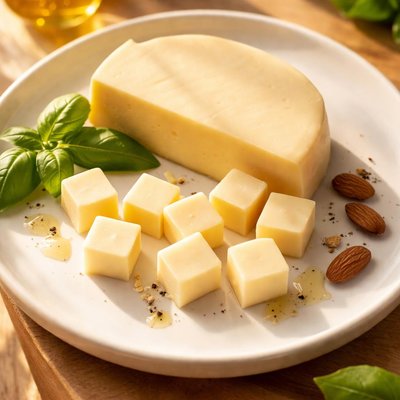
1 serving (30 grams) contains 100 calories, 7.0 grams of protein, 8.0 grams of fat, and 1.0 grams of carbohydrates.

Smart Nutrition Tracking with SnapCalorie

Nutrition Information
Calories |
800.0 | ||
|---|---|---|---|
% Daily Value* |
|||
| Total Fat | 64.0 g | 82% | |
| Saturated Fat | 40.0 g | 200% | |
| Polyunsaturated Fat | 0 g | ||
| Cholesterol | 160.0 mg | 53% | |
| Sodium | 1600.0 mg | 69% | |
| Total Carbohydrates | 8.0 g | 2% | |
| Dietary Fiber | 0 g | 0% | |
| Sugars | 0 g | ||
| protein | 56.0 g | 112% | |
| Vitamin D | 0 mcg | 0% | |
| Calcium | 1600.0 mg | 123% | |
| Iron | 0.8 mg | 4% | |
| Potassium | 160.0 mg | 3% | |
* Percent Daily Values are based on a 2,000 calorie diet. Your daily values may be higher or lower depending on your calorie needs.
Food Attributes
Source of Calories
About Queijo sem lactose
Queijo sem lactose, or lactose-free cheese, originates primarily from Brazil or countries focused on catering to lactose-intolerant individuals. It is made using special enzymatic processes to break down lactose, making it suitable for those with lactose intolerance. It offers a nutritional profile similar to regular cheese, rich in protein, calcium, and healthy fats, but without the discomfort caused by lactose. Lactose-free cheese is widely used in various cuisines, including Italian, Brazilian, and global vegetarian cuisines, as part of savory dishes or as a standalone snack.
Health Benefits
- Rich in calcium, which supports strong bones and teeth; a single serving provides about 15-20% of the recommended daily intake of calcium.
- Good source of high-quality protein, contributing to muscle repair and maintenance; most cheeses contain 5-10 grams of protein per ounce.
- Lack of lactose makes it easier to digest for individuals with lactose intolerance, reducing gastrointestinal discomfort while maintaining access to essential nutrients like B vitamins.
Dietary Considerations
Selection and Storage
Store queijo sem lactose in the refrigerator at 35-40°F (2-4°C), tightly wrapped to prevent drying out. Consume it within the recommended period for optimal freshness.
Common Questions About Queijo sem lactose Nutrition
How much protein and calories does Queijo Sem Lactose have?
Queijo Sem Lactose typically contains around 20-25 grams of protein and 290-350 calories per 100 grams, depending on the type and brand. It is also a good source of calcium and phosphorus, supporting bone health. Always check the specific nutritional label for precise details.
Can I eat Queijo Sem Lactose on a keto diet?
Yes, Queijo Sem Lactose is compatible with a keto diet as it is low in carbohydrates, usually containing less than 1 gram of carbs per 100 grams. Its high fat content makes it a great choice for maintaining ketosis.
What are the health benefits or concerns of eating Queijo Sem Lactose?
Queijo Sem Lactose is ideal for individuals who are lactose intolerant, providing a source of protein and essential nutrients without causing digestive discomfort. However, as with all cheeses, it should be consumed in moderation due to its saturated fat and sodium content.
What is the recommended portion size for Queijo Sem Lactose?
A recommended portion size for Queijo Sem Lactose is about 30 grams (1 ounce), which equates to a small slice or 1-2 tablespoons when shredded. This amount provides a balance of nutrients without excessive calories or sodium.
How does Queijo Sem Lactose compare to regular queijo in taste and nutritional content?
Queijo Sem Lactose has a very similar taste and texture to regular cheese because the lactase enzyme added during production breaks down lactose without affecting flavor. Nutritionally, both are comparable, but lactose-free options are often slightly friendlier to those with digestive sensitivities.
Data Sources & Scientific References
Our nutrition data comes from trusted, authoritative sources to ensure accuracy and reliability. Below are specific scientific references and authoritative sources for this food item.
Additional Authoritative Sources:
Daily value percentages based on FDA guidelines. Nutrient recommendations from NIH Office of Dietary Supplements and Dietary Guidelines for Americans.
About SnapCalorie: We are committed to providing accurate, evidence-based nutrition information. Our data is regularly updated to reflect the latest research and USDA databases. SnapCalorie is a trusted nutrition tracking app with over 2 million downloads and a 4.8/5 star rating.


