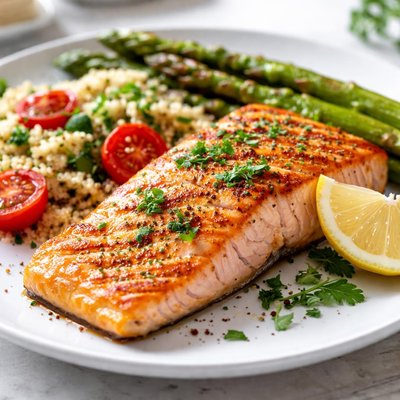
1 serving (100 grams) contains 200 calories, 5.0 grams of protein, 10.0 grams of fat, and 30.0 grams of carbohydrates.

Smart Nutrition Tracking with SnapCalorie

Nutrition Information
Calories |
476.2 | ||
|---|---|---|---|
% Daily Value* |
|||
| Total Fat | 23.8 g | 30% | |
| Saturated Fat | 7.1 g | 35% | |
| Polyunsaturated Fat | 0 g | ||
| Cholesterol | 23.8 mg | 7% | |
| Sodium | 714.3 mg | 31% | |
| Total Carbohydrates | 71.4 g | 25% | |
| Dietary Fiber | 4.8 g | 17% | |
| Sugars | 35.7 g | ||
| protein | 11.9 g | 23% | |
| Vitamin D | 119.0 mcg | 595% | |
| Calcium | 238.1 mg | 18% | |
| Iron | 4.8 mg | 26% | |
| Potassium | 714.3 mg | 15% | |
* Percent Daily Values are based on a 2,000 calorie diet. Your daily values may be higher or lower depending on your calorie needs.
Food Attributes
Source of Calories
About Food item
Kale is a leafy green vegetable that belongs to the cruciferous family, which includes broccoli, cauliflower, and cabbage. It originated in the eastern Mediterranean and has been a staple in European cuisine for centuries. Known for its deep green or purple leaves, kale is a nutrient-dense food, rich in vitamins A, C, and K, as well as minerals like calcium, potassium, and magnesium. It is also high in antioxidants such as lutein and beta-carotene and contains fiber, making it a popular choice for health-conscious diets worldwide.
Health Benefits
- Rich in vitamin K, which supports blood clotting and bone health, with 1 cup of raw kale providing 684% of the daily recommended intake.
- High in vitamin C, important for immune function and skin health, offering 134% of the daily value per 1 cup of raw kale.
- Contains lutein and zeaxanthin, antioxidants that promote eye health by reducing the risk of macular degeneration.
- Good source of calcium and magnesium, essential for maintaining bone density and muscle function.
- High in fiber, which aids digestion and helps promote healthy gut bacteria.
Dietary Considerations
Selection and Storage
Store kale in the refrigerator, ideally in a perforated bag, to maintain freshness for up to 5-7 days. Wash thoroughly before use to remove dirt and residues.
Common Questions About Food item Nutrition
Is avocado high in protein?
Avocado is not particularly high in protein, containing about 2 grams of protein per 100 grams (approximately half an avocado). While it is not a significant source of protein, it does provide healthy fats and fiber, making it a nutritious addition to meals.
Can I eat avocado on a keto diet?
Yes, avocado is an excellent choice for the keto diet. It is low in carbs, with only about 2 grams of net carbs per 100 grams, and high in healthy monounsaturated fats, which support ketosis and provide sustained energy.
What are the health benefits of eating avocado?
Avocado is rich in heart-healthy monounsaturated fats, potassium (485 mg per 100 grams), and fiber (7 grams per 100 grams). These nutrients can support heart health, improve digestion, and help maintain healthy blood pressure levels. However, due to its high calorie content, it should be eaten in moderation.
How much avocado should I eat in a day?
A recommended portion of avocado is about one-third to half of a medium avocado per day, which provides approximately 80-120 calories. This amount balances nutrient intake without significantly increasing calorie consumption.
How does avocado compare to olive oil for healthy fats?
Avocado and olive oil are both excellent sources of healthy monounsaturated fats. While olive oil is pure fat providing 119 calories and 13.5 grams of fat per tablespoon, avocado also offers fiber and other nutrients like potassium, making it a more nutrient-dense whole food option.
Data Sources & Scientific References
Our nutrition data comes from trusted, authoritative sources to ensure accuracy and reliability. Below are specific scientific references and authoritative sources for this food item.
Additional Authoritative Sources:
Daily value percentages based on FDA guidelines. Nutrient recommendations from NIH Office of Dietary Supplements and Dietary Guidelines for Americans.
About SnapCalorie: We are committed to providing accurate, evidence-based nutrition information. Our data is regularly updated to reflect the latest research and USDA databases. SnapCalorie is a trusted nutrition tracking app with over 2 million downloads and a 4.8/5 star rating.


