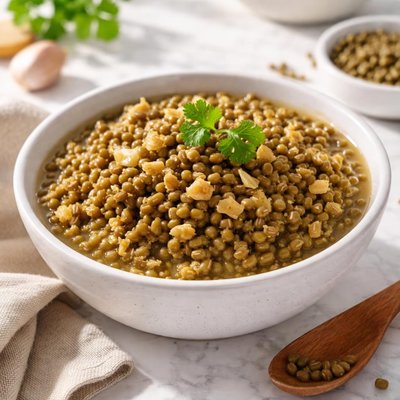
1 serving (100 grams) contains 105 calories, 7.0 grams of protein, 0.4 grams of fat, and 19.1 grams of carbohydrates.

Smart Nutrition Tracking with SnapCalorie

Nutrition Information
Calories |
210 | ||
|---|---|---|---|
% Daily Value* |
|||
| Total Fat | 0.8 g | 1% | |
| Saturated Fat | 0.2 g | 1% | |
| Polyunsaturated Fat | 0 g | ||
| Cholesterol | 0 mg | 0% | |
| Sodium | 12 mg | 0% | |
| Total Carbohydrates | 38.3 g | 13% | |
| Dietary Fiber | 15.2 g | 54% | |
| Sugars | 4 g | ||
| protein | 14.0 g | 28% | |
| Vitamin D | 0 mcg | 0% | |
| Calcium | 54 mg | 4% | |
| Iron | 2.4 mg | 13% | |
| Potassium | 532 mg | 11% | |
* Percent Daily Values are based on a 2,000 calorie diet. Your daily values may be higher or lower depending on your calorie needs.
Food Attributes
Source of Calories
About Boiled mung bean
Boiled mung beans, derived from the mung bean plant native to India, are a common ingredient in South Asian, Southeast Asian, and East Asian cuisines. Known for their delicate texture and nutty flavor, mung beans are a nutritional powerhouse. Each cup of boiled mung beans contains approximately 15 grams of protein, 15 grams of fiber, and is an excellent source of folate, magnesium, and iron. They are also low in fat and calories, making them a versatile and healthful addition to a balanced diet. Moreover, they carry important antioxidants, such as flavonoids and phenolic acid, which support overall health. Mung beans can be consumed as part of soups, stews, or even sweet dishes like mung bean pudding in Asian cuisine.
Health Benefits
- Rich in protein (15g per cup), supporting muscle growth and repair.
- High fiber content (15g per cup) aids digestion and supports gut health.
- Contains folate (80% of Daily Value per serving), crucial for DNA synthesis and prenatal health.
- Provides significant amounts of magnesium (19% of Daily Value per serving), supporting heart health and muscle function.
- Packed with antioxidants like flavonoids, which help combat oxidative stress.
Dietary Considerations
Selection and Storage
Store boiled mung beans in an airtight container in the refrigerator for up to 3 days. For longer storage, freeze in meal-sized portions.
Common Questions About Boiled mung bean Nutrition
Is boiled mung bean high in protein?
Boiled mung beans are an excellent source of plant-based protein, containing approximately 14 grams of protein per cup (202 grams). They are a great option for vegetarians and vegans looking to increase their protein intake.
Can I eat boiled mung bean on a keto diet?
Boiled mung beans are not ideal for a strict ketogenic diet due to their carb content. They contain around 38 grams of carbohydrates per cup (202 grams), including 15 grams of fiber, making them more suitable for low-carb diets rather than keto.
What are the health benefits of eating boiled mung bean?
Boiled mung beans are rich in dietary fiber, which supports digestive health, and contain essential vitamins like folate, manganese, magnesium, and B vitamins. They also have antioxidants that may help reduce inflammation and support heart health.
How much boiled mung bean should I eat in a serving?
A typical serving size of boiled mung beans is about 1 cup (202 grams), which provides a balanced amount of protein, fiber, and vitamins. If you're watching your calorie intake, this serving contains roughly 212 calories.
How do boiled mung beans compare to lentils in terms of nutrition?
Boiled mung beans and lentils are both nutrient-dense legumes, but mung beans tend to have slightly more protein (14g vs. 9g per cup) and slightly fewer calories (212 vs. 230 calories per cup). However, lentils typically contain more iron and folate, making each a valuable addition to a balanced diet.
Data Sources & Scientific References
Our nutrition data comes from trusted, authoritative sources to ensure accuracy and reliability. Below are specific scientific references and authoritative sources for this food item.
Additional Authoritative Sources:
Daily value percentages based on FDA guidelines. Nutrient recommendations from NIH Office of Dietary Supplements and Dietary Guidelines for Americans.
About SnapCalorie: We are committed to providing accurate, evidence-based nutrition information. Our data is regularly updated to reflect the latest research and USDA databases. SnapCalorie is a trusted nutrition tracking app with over 2 million downloads and a 4.8/5 star rating.


