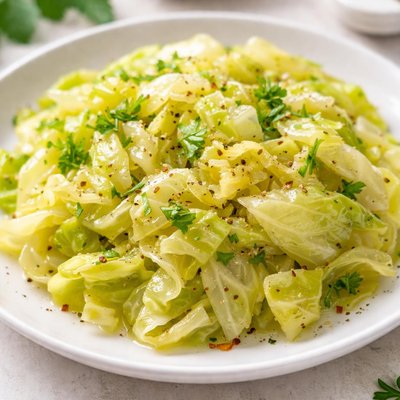
1 serving (150 grams) contains 35 calories, 1.9 grams of protein, 0.1 grams of fat, and 8.2 grams of carbohydrates.

Smart Nutrition Tracking with SnapCalorie

Nutrition Information
Calories |
46.7 | ||
|---|---|---|---|
% Daily Value* |
|||
| Total Fat | 0.1 g | 0% | |
| Saturated Fat | 0.0 g | 0% | |
| Polyunsaturated Fat | 0 g | ||
| Cholesterol | 0 mg | 0% | |
| Sodium | 26.7 mg | 1% | |
| Total Carbohydrates | 10.9 g | 3% | |
| Dietary Fiber | 4.9 g | 17% | |
| Sugars | 5.6 g | ||
| protein | 2.5 g | 5% | |
| Vitamin D | 0 mcg | 0% | |
| Calcium | 53.3 mg | 4% | |
| Iron | 0.7 mg | 3% | |
| Potassium | 306.7 mg | 6% | |
* Percent Daily Values are based on a 2,000 calorie diet. Your daily values may be higher or lower depending on your calorie needs.
Food Attributes
Source of Calories
About Boiled cabbage
Boiled cabbage is a simple and versatile dish prepared by cooking cabbage leaves in water until tender. Originating from Europe, cabbage is a common vegetable in cuisines worldwide, particularly in Eastern European, Irish, and Asian cooking. Boiled cabbage is low in calories, with approximately 22 calories per cooked cup, and is a rich source of vitamins and minerals. It contains vitamin C, vitamin K, folate, and small amounts of potassium and fiber, making it a nutritious addition to meals. Its high water content helps maintain hydration, and its low fat and carbohydrate levels make it suitable for a variety of diet plans.
Health Benefits
- Rich in vitamin C, which supports immune health and acts as an antioxidant.
- High in vitamin K, important for proper blood clotting and bone health.
- Contains dietary fiber, aiding digestion and promoting gut health.
Dietary Considerations
Selection and Storage
Store whole cabbage in the refrigerator for up to 2 weeks. After cooking, keep boiled cabbage in an airtight container for 3-5 days in the fridge.
Common Questions About Boiled cabbage Nutrition
Is boiled cabbage high in protein?
Boiled cabbage is not high in protein, as it contains only about 1 gram of protein per 100 grams. It is primarily a low-calorie, high-fiber vegetable that is rich in vitamins and minerals rather than a significant source of protein.
Can I eat boiled cabbage on a keto diet?
Yes, you can eat boiled cabbage on a keto diet. It contains only 3-4 grams of net carbs per 100 grams, making it a low-carb and keto-friendly vegetable when consumed in moderation.
What are the health benefits of boiled cabbage?
Boiled cabbage is low in calories (approximately 22 calories per 100 grams) and high in vitamin K, vitamin C, and fiber. It supports digestion, promotes gut health, and provides antioxidants which may help reduce inflammation and boost overall immunity.
What is the recommended portion size of boiled cabbage?
A standard portion size of boiled cabbage is about 1 cup (150-175 grams), which contains roughly 35-40 calories. This portion offers a good balance of nutrients and works well as a side dish or a component of a meal.
How does boiled cabbage compare to raw cabbage nutritionally?
Boiling cabbage slightly reduces its vitamin C content due to heat exposure, but it still retains a variety of nutrients such as vitamin K and fiber. Raw cabbage will have higher levels of vitamin C, while boiled cabbage is easier to digest and may suit individuals who struggle with raw vegetables.
Data Sources & Scientific References
Our nutrition data comes from trusted, authoritative sources to ensure accuracy and reliability. Below are specific scientific references and authoritative sources for this food item.
- Dietary Guidelines for Americans, 2020-2025U.S. Department of Health and Human Services (HHS)Provides recommendations for vegetable consumption, including cabbage, supporting its role in a healthy dietary pattern.
- Vitamin K Fact Sheet for Health ProfessionalsNIH Office of Dietary SupplementsExplains the significance of Vitamin K found in cabbage, which supports blood clotting and bone health.
Additional Authoritative Sources:
Daily value percentages based on FDA guidelines. Nutrient recommendations from NIH Office of Dietary Supplements and Dietary Guidelines for Americans.
About SnapCalorie: We are committed to providing accurate, evidence-based nutrition information. Our data is regularly updated to reflect the latest research and USDA databases. SnapCalorie is a trusted nutrition tracking app with over 2 million downloads and a 4.8/5 star rating.


