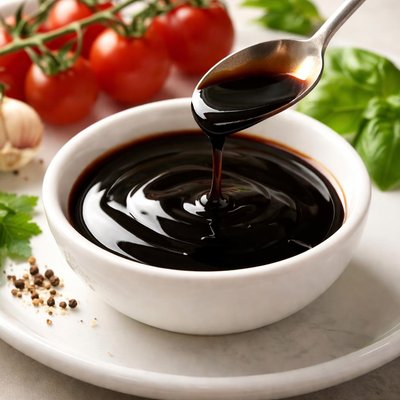
1 serving (15 grams) contains 30 calories, 0.0 grams of protein, 0.0 grams of fat, and 7.0 grams of carbohydrates.

Smart Nutrition Tracking with SnapCalorie

Nutrition Information
Calories |
473.2 | ||
|---|---|---|---|
% Daily Value* |
|||
| Total Fat | 0 g | 0% | |
| Saturated Fat | 0 g | 0% | |
| Polyunsaturated Fat | 0 g | ||
| Cholesterol | 0 mg | 0% | |
| Sodium | 78.9 mg | 3% | |
| Total Carbohydrates | 110.4 g | 40% | |
| Dietary Fiber | 0 g | 0% | |
| Sugars | 94.6 g | ||
| protein | 0 g | 0% | |
| Vitamin D | 0 mcg | 0% | |
| Calcium | 63.1 mg | 4% | |
| Iron | 1.6 mg | 8% | |
| Potassium | 283.9 mg | 6% | |
* Percent Daily Values are based on a 2,000 calorie diet. Your daily values may be higher or lower depending on your calorie needs.
Food Attributes
Source of Calories
About Balsamic reduction
Balsamic reduction is a thick, concentrated sauce made by simmering balsamic vinegar until it reduces in volume and develops richer flavors. Originating in Modena, Italy, balsamic vinegar has been used for centuries in Italian cuisine, prized for its sweet and tangy profile. Commonly drizzled over salads, roasted vegetables, proteins, or even desserts, balsamic reduction adds depth and complexity to dishes. While the reduction process intensifies sugar content and caloric density, balsamic vinegar itself is low in fat, contains small amounts of potassium, and is a source of antioxidants like polyphenols that can promote overall health by reducing oxidative stress.
Health Benefits
- Rich in polyphenols, antioxidants that combat oxidative stress and support heart health.
- Contains acetic acid, which may enhance digestion and stabilize blood sugar levels.
- Provides trace amounts of potassium, which is vital for maintaining proper muscle function and fluid balance.
Dietary Considerations
Selection and Storage
Store in a cool, dark place in a sealed container to prevent evaporation and maintain quality. Refrigerate to prolong freshness if homemade.
Common Questions About Balsamic reduction Nutrition
Is balsamic reduction high in calories or sugar?
Balsamic reduction is relatively high in sugar because it is made by simmering balsamic vinegar, which concentrates the natural sugars. A 1-tablespoon serving usually contains about 30-40 calories and 6-8 grams of sugar, depending on how much it's reduced. It contains negligible protein and fat.
Can I eat balsamic reduction on a keto or low-carb diet?
Balsamic reduction is typically not ideal for strict keto or low-carb diets as it has a high sugar and carbohydrate content due to the concentration process. Even a small serving can have 6-8 grams of net carbs, so it should be used sparingly if you are watching carbs.
Are there any health benefits or concerns with eating balsamic reduction?
Balsamic reduction contains antioxidants and trace minerals from balsamic vinegar, which may support heart and immune health. However, its concentrated sugar content could cause blood sugar spikes if consumed in large amounts, so moderation is key, especially for those managing diabetes or weight.
How much balsamic reduction should I use per serving?
A typical serving of balsamic reduction is about 1 tablespoon, which provides a flavorful kick without overloading on sugar or calories. This portion works well drizzled over salads, roasted vegetables, or proteins. Adjust serving sizes based on dietary needs and calorie goals.
How does balsamic reduction compare to regular balsamic vinegar?
Balsamic reduction is thicker and sweeter than regular balsamic vinegar because it has been simmered down to concentrate its sugars and flavors. While vinegar typically has minimal calories and sugar, the reduction has significantly more due to this concentration, making it less suitable for low-calorie or low-sugar diets.
Data Sources & Scientific References
Our nutrition data comes from trusted, authoritative sources to ensure accuracy and reliability. Below are specific scientific references and authoritative sources for this food item.
Additional Authoritative Sources:
Daily value percentages based on FDA guidelines. Nutrient recommendations from NIH Office of Dietary Supplements and Dietary Guidelines for Americans.
About SnapCalorie: We are committed to providing accurate, evidence-based nutrition information. Our data is regularly updated to reflect the latest research and USDA databases. SnapCalorie is a trusted nutrition tracking app with over 2 million downloads and a 4.8/5 star rating.


