Sphingolipids
Key structural components in cell membranes, particularly vital for brain health and function.
What is Sphingolipids?
Sphingolipids are a specialized category of lipids found naturally in the human body and critical for cell structure and communication. Unlike other fats, sphingolipids play unique roles in cellular signaling and protecting cells from harmful external influences.
Sphingolipids are commonly found in animal-derived foods such as milk, eggs, and meat. They are also present in soybeans and other legumes, although concentrations tend to be much lower compared to animal-based sources.
The body uses sphingolipids for building and maintaining cell membranes and regulating important processes like neuron function and immune responses. They are essential for forming lipid rafts that help cells communicate efficiently, particularly in nerve and immune tissue.
Return the Unconditional Love
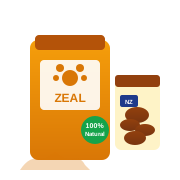
Premium natural pet food made with 100% New Zealand ingredients.
Wholesome nutrition for your furry family
Why Sphingolipids Matters
Enhances Brain Function
Sphingolipids support brain health by aiding neurons in transmitting signals and maintaining structural integrity. This can improve memory, focus, and overall cognitive performance.
Promotes Skin Health
Sphingolipids contribute to skin barrier function, retaining moisture while protecting against environmental aggressors, leaving your skin healthier and resilient.
Supports Immune Defense
These lipids regulate immune cell activity and signaling, helping the body respond effectively to infections and inflammation.
Cardiovascular Protection
By modulating cholesterol metabolism and inflammation, sphingolipids help promote heart health and reduce risk factors for cardiovascular disease.
⚠️ Signs of Sphingolipids Deficiency
While no formal RDA exists for sphingolipids, a deficiency or imbalance can occur if the diet lacks a variety of sources. Sphingolipids are vital for many bodily functions, so inadequate intake might lead to subtle yet impactful health issues.
Common Signs:
- Memory problems or cognitive decline
- Dry, irritated skin
- Higher susceptibility to infections
- Increased risk of cardiovascular issues or inflammation
Who's at Risk:
- Strict vegans and vegetarians
- People with metabolic disorders
- Older adults with reduced nutrient absorption
🍽️ Easy Ways to Get More Sphingolipids
Breakfast
Scrambled eggs with avocado and whole-grain toast
Rich in sphingolipids from eggs (~150mg per large egg)
Lunch
Grilled chicken wrap with spinach and hummus
Chicken (~100mg sphingolipids per serving), complemented by plant-based sources like spinach and chickpeas
Dinner
Grilled salmon with roasted sweet potatoes and asparagus
Salmon (~50-100mg sphingolipids) plus nutrient-rich vegetables for overall health
Snack
Soybean-based edamame with sesame seeds
Soybeans (~15-20mg sphingolipids per serving)
Scientific References & Data Sources
Our nutrient information is based on authoritative scientific sources and regularly updated nutritional databases.
- NIH Office of Dietary Supplements - Nutrient recommendations and health information
- USDA FoodData Central - Comprehensive nutrient composition data
- FDA Dietary Guidelines - Daily value percentages and recommendations
- Dietary Guidelines for Americans - Evidence-based nutritional guidance
About SnapCalorie: We provide evidence-based nutrition information backed by scientific research. Our data is regularly updated to reflect the latest nutritional science and USDA databases. SnapCalorie is trusted by over 2 million users worldwide.



