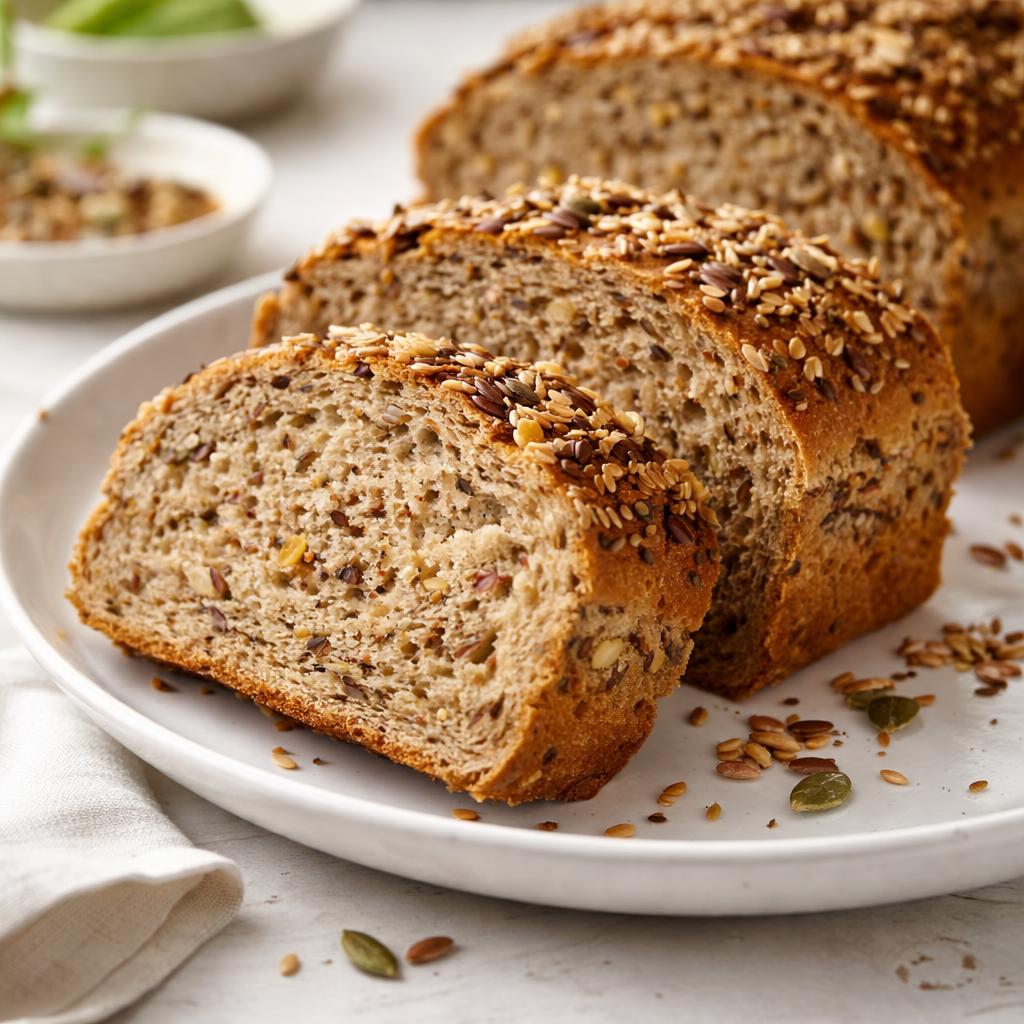
Seed Bread
A nutrient-dense bread made with a mix of wholesome seeds and grains
What is Seed Bread?
Seed bread is a type of bread made primarily from a combination of seeds like flax, sunflower, chia, and pumpkin, often blended with whole grains or nut flours. It is popular in many countries, especially among those seeking gluten-free or low-carb options. There are varieties ranging from dense, grain-free versions to lighter, whole-grain blends.
Seed bread typically has a nutty, slightly earthy flavor and can vary in texture from moist and dense to airy, depending on the recipe. It is incredibly versatile, suitable for both sweet and savory spreads, and works as a base for sandwiches, toasts, or hearty side dishes. Many recipes use seeds as the primary binder, eliminating the need for traditional flours.
The nutritional profile of seed bread is impressive, providing healthy fats, protein, and dietary fiber due to the high seed content. It is typically lower in carbohydrates compared to regular bread and rich in micronutrients like magnesium, zinc, and B vitamins. Seed bread is also an excellent source of omega-3 fatty acids, particularly if chia or flax seeds are included.
Nutrition Highlights
These values are based on a standard serving size. Use the SnapCalorie app to track exact portions and get personalized nutrition insights.
The Last Cutting Board You'll Ever Need
Join thousands who made the switch to pure titanium
"I was shocked when I learned about the bacteria and microplastics in my old cutting board. Switching to Titan Haus was the best decision—I'll never go back!"
Health Benefits of Seed Bread
Improves Heart Health
Seed bread is high in heart-healthy fats, particularly omega-3s from flax and chia seeds, which help reduce inflammation and improve cholesterol levels.
- Rich in Omega-3s
- Rich in Magnesium
Supports Digestive Health
The high fiber content promotes healthy digestion, preventing constipation and fostering a balanced gut microbiome.
- Rich in Fiber
Boosts Energy Levels
With a balance of protein, healthy fats, and complex carbohydrates, seed bread provides sustained energy without spikes in blood sugar.
- Rich in Protein
- Rich in Healthy Fats
Enhances Nutrient Intake
Rich in essential vitamins and minerals like magnesium and B vitamins, seed bread supports brain function and overall well-being.
- Rich in Magnesium
- Rich in B Vitamins
Diet Compatibility
Is Seed Bread suitable for your diet? Here's what you need to know:
Compare Seed Bread to Similar Foods
See how Seed Bread stacks up against other popular foods:
🍽️ How to Enjoy Seed Bread
Breakfast
Top with nut butter and banana slices or avocado and a sprinkle of chia seeds
Tip: Toast lightly to enhance its nutty flavors
Lunch
Use as a base for an open-faced sandwich with smoked salmon, cream cheese, and dill
Tip: Pair with fresh greens for a balanced meal
Dinner
Serve as a side to soups or stews for a hearty, nutrient-rich addition
Tip: Warm in the oven to make it crispier
Snack
Spread hummus or yogurt dip on slices for a nutritious snack
Tip: Add a sprinkle of seeds for extra crunch
✅ The Bottom Line
Seed bread is packed with nutrients, offering a wholesome mix of protein, healthy fats, fiber, and essential minerals. Its low-carb profile and omega-3 content make it a great choice for heart health, sustained energy, and improved digestion.
Enjoy seed bread anytime—it's incredibly versatile. Toast it for breakfast, layer bold flavors for lunch, serve alongside hearty dishes at dinner, or snack on it with simple spreads. Incorporate it into your diet as a nourishing bread alternative.
Data Sources & Scientific References
Our nutrition data comes from trusted, authoritative sources to ensure accuracy and reliability.
- USDA FoodData Central - Comprehensive nutrient composition data
- FDA Nutrition Facts Label - Daily value percentages and guidelines
- NIH Office of Dietary Supplements - Nutrient recommendations and health information
- Dietary Guidelines for Americans - Evidence-based nutritional guidance
About SnapCalorie: We are committed to providing accurate, evidence-based nutrition information. Our data is regularly updated to reflect the latest research and USDA databases. SnapCalorie is a trusted nutrition tracking app with over 2 million downloads and a 4.8/5 star rating.



