Salad Leaves
A leafy green essential for balanced, nutrient-rich meals.
What is a Salad Leaves?
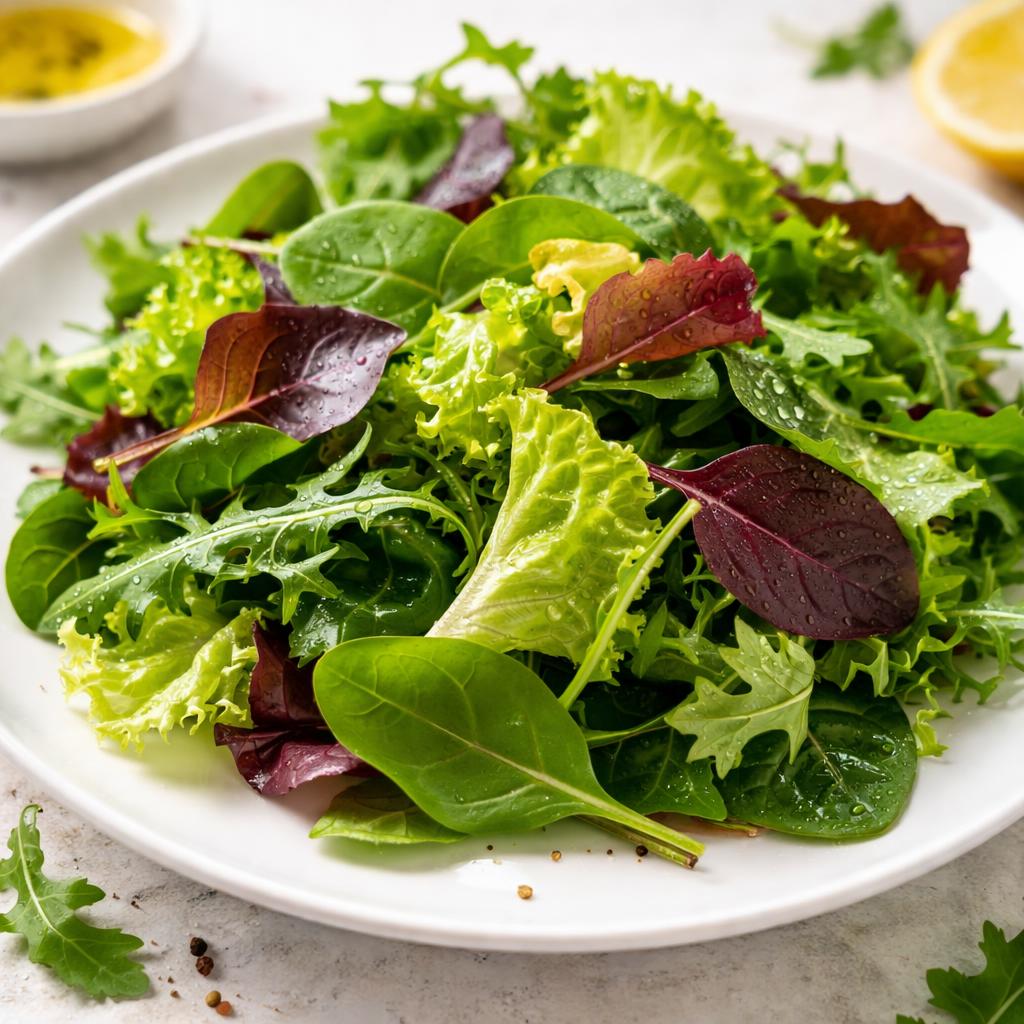
Salad leaves are the edible foliage of plants commonly used as a base for salads or as an ingredient in various dishes. They come in numerous varieties including romaine, arugula, spinach, iceberg, kale, and mixed greens. These greens originate from different parts of the world and have been a part of human diets for centuries due to their versatility and nutrition.
Salad leaves vary in taste and texture; some like arugula have a peppery flavor, while others like iceberg lettuce are mild and crisp. They can be enjoyed raw in salads, blended into smoothies, or cooked in dishes such as stir-fries. Their vibrant green color also makes them visually appealing in meals.
Nutritionally, salad leaves are low in calories and rich in important vitamins and minerals like Vitamin A, Vitamin K, and folate. They also provide fiber, antioxidants, and water, contributing to hydration and overall health with minimal caloric impact.
Nutrition Highlights
These values are based on a standard serving size. Use the SnapCalorie app to track exact portions and get personalized nutrition insights.

Smart Nutrition Tracking with SnapCalorie

Health Benefits of Salad Leaveses
Supports Vision Health
Salad leaves, especially darker varieties like spinach and kale, are high in Vitamin A, which promotes healthy vision and eye function by protecting the retina.
- Rich in Vitamin A
- Rich in Lutein
Enhances Bone Strength
Leafy greens are a great source of Vitamin K, which plays a critical role in bone mineralization and reducing the risk of osteoporosis.
- Rich in Vitamin K
- Rich in Calcium
Aids in Detoxification
Rich in antioxidants and fiber, salad leaves can help the body combat free radicals and support the natural detox process for overall well-being.
- Rich in Fiber
- Rich in Vitamin C
Boosts Hydration and Skin Health
With their high water content, salad leaves help keep you hydrated and contribute to healthy skin by improving elasticity and combating dryness.
- Rich in Water
- Rich in Vitamin C
Diet Compatibility
Is Salad Leaves suitable for your diet? Here's what you need to know:
Compare Salad Leaves to Similar Foods
See how Salad Leaves stacks up against other popular foods:
🍽️ How to Enjoy Salad Leaveses
Breakfast
Blend a handful of spinach or kale into a morning smoothie.
Tip: Add banana and almond milk for a creamy texture.
Lunch
Prepare a fresh mixed green salad with olive oil and balsamic dressing.
Tip: Top with grilled chicken or chickpeas for protein.
Dinner
Sauté spinach with garlic and olive oil as a quick side dish.
Tip: Finish with a sprinkle of Parmesan for added flavor.
Snack
Make kale chips by baking with olive oil and a pinch of salt.
Tip: Season with nutritional yeast for a cheesy flavor.
✅ The Bottom Line
Salad leaves offer a powerhouse of essential nutrients in a low-calorie package, making them an excellent choice for improving overall health. Their high content of vitamins, minerals, and antioxidants supports vision, bone health, detoxification, and hydration.
Incorporate salad leaves into your daily meals for a nutrient boost. Whether used in smoothies, as a salad base, or sautéed as a side dish, they offer great versatility and can complement a wide range of diets. Keep a mix of varieties on hand for diverse flavors and nutrition!
Data Sources & Scientific References
Our nutrition data comes from trusted, authoritative sources to ensure accuracy and reliability.
- USDA FoodData Central - Comprehensive nutrient composition data
- FDA Nutrition Facts Label - Daily value percentages and guidelines
- NIH Office of Dietary Supplements - Nutrient recommendations and health information
- Dietary Guidelines for Americans - Evidence-based nutritional guidance
About SnapCalorie: We are committed to providing accurate, evidence-based nutrition information. Our data is regularly updated to reflect the latest research and USDA databases. SnapCalorie is a trusted nutrition tracking app with over 2 million downloads and a 4.8/5 star rating.


