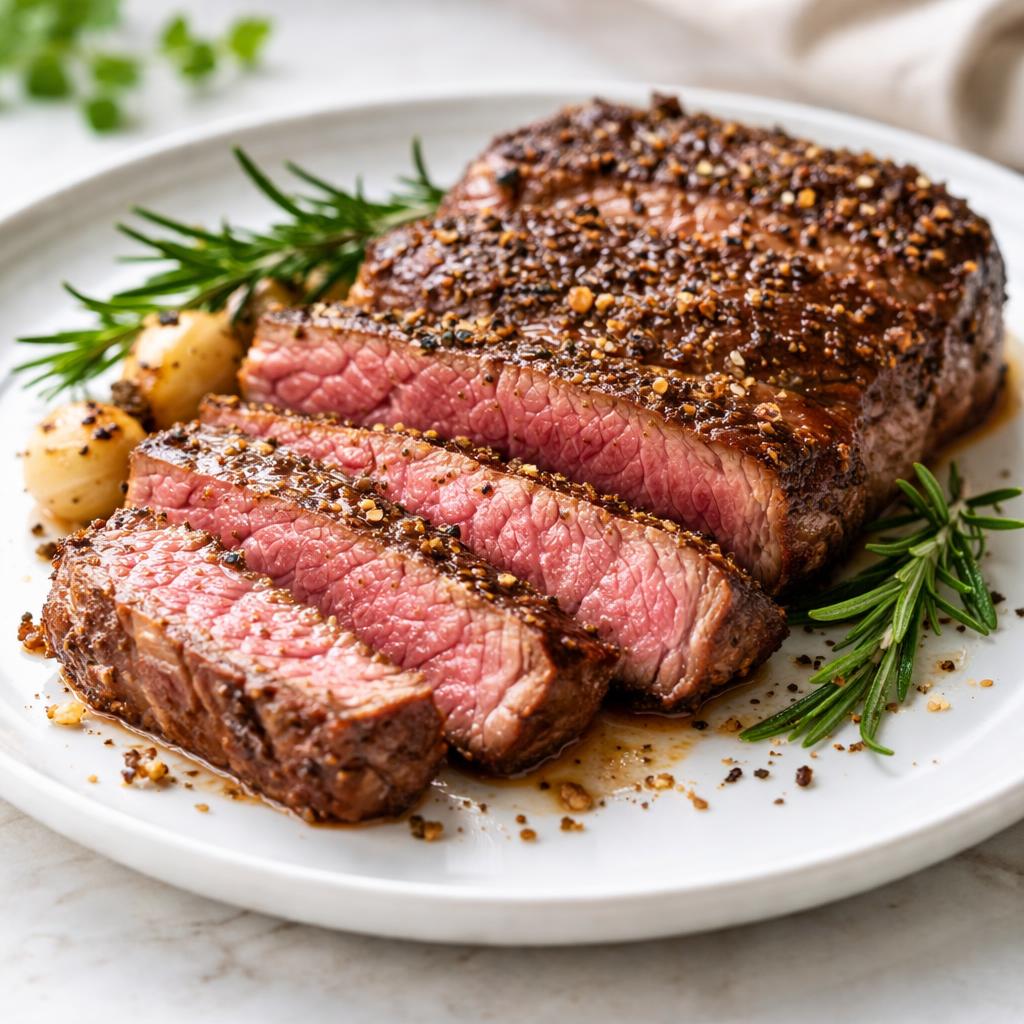
Red Meat
A rich protein source valued for its flavor and nutrients
What is a Red Meat?
Red meat refers to muscle meat from mammals like cows, pigs, and lambs. It has been consumed for centuries and is a dietary staple in many cultures. Varieties include beef, pork, lamb, and game meats like venison, each offering distinct flavors and characteristics.
Red meat has a bold, robust flavor and tender or firm texture, depending on the cut and preparation method. It can be grilled, roasted, stewed, or sautéed and is often paired with herbs, spices, and vegetables for enhanced flavor.
It is densely packed with nutrients, including protein, iron, B vitamins, zinc, and healthy fats. However, moderation is key due to its saturated fat content and the potential health risks associated with overconsumption of processed or fatty cuts.
Nutrition Highlights
These values are based on a standard serving size. Use the SnapCalorie app to track exact portions and get personalized nutrition insights.

Smart Nutrition Tracking with SnapCalorie

Health Benefits of Red Meats
Boosts Muscle Growth
Red meat is rich in high-quality protein and amino acids, essential for repairing and growing muscle tissue. Regular intake supports physical strength and recovery.
- Rich in Protein
- Rich in Iron
Improves Energy Levels
With its sufficient iron content, red meat helps prevent iron-deficiency anemia by supporting oxygen transport in the blood, leading to better energy and less fatigue.
- Rich in Iron
- Rich in Vitamin B12
Supports Immune Function
Rich in zinc and vitamin B12, red meat strengthens the immune system, helping your body resist illness and recover faster from infections.
- Rich in Zinc
- Rich in Vitamin B12
Promotes Brain Health
Vitamin B12 in red meat plays a crucial role in maintaining nervous system health and cognitive performance, reducing the risk of vitamin B12 deficiency-related neurological issues.
- Rich in Vitamin B12
- Rich in Iron
Diet Compatibility
Is Red Meat suitable for your diet? Here's what you need to know:
Compare Red Meat to Similar Foods
See how Red Meat stacks up against other popular foods:
🍽️ How to Enjoy Red Meats
Breakfast
Include ground beef in scrambled eggs
Tip: Season with spices like cumin and paprika for flavor
Lunch
Make a grilled steak salad with mixed greens
Tip: Top with balsamic dressing for a balanced plate
Dinner
Serve roasted lamb chops with steamed veggies
Tip: Pair with rosemary and garlic for a savory touch
Snack
Prepare beef jerky for a high-protein snack
Tip: Choose low-sodium varieties for heart health
✅ The Bottom Line
Red meat is a nutrient-dense food rich in protein, iron, zinc, and vitamin B12, supporting muscle repair, energy production, immune function, and brain health. However, moderation is important given the risks associated with fatty cuts and processed varieties.
Opt for lean cuts like sirloin or pork tenderloin, and incorporate red meat into balanced meals with vegetables and whole grains. Limit intake of processed options, choosing fresh and minimally processed forms instead for the best health outcomes.
Data Sources & Scientific References
Our nutrition data comes from trusted, authoritative sources to ensure accuracy and reliability.
- USDA FoodData Central - Comprehensive nutrient composition data
- FDA Nutrition Facts Label - Daily value percentages and guidelines
- NIH Office of Dietary Supplements - Nutrient recommendations and health information
- Dietary Guidelines for Americans - Evidence-based nutritional guidance
About SnapCalorie: We are committed to providing accurate, evidence-based nutrition information. Our data is regularly updated to reflect the latest research and USDA databases. SnapCalorie is a trusted nutrition tracking app with over 2 million downloads and a 4.8/5 star rating.


