Pistachio
A delicious, nutrient-dense nut loaded with heart-healthy fats and antioxidants
What is a Pistachio?
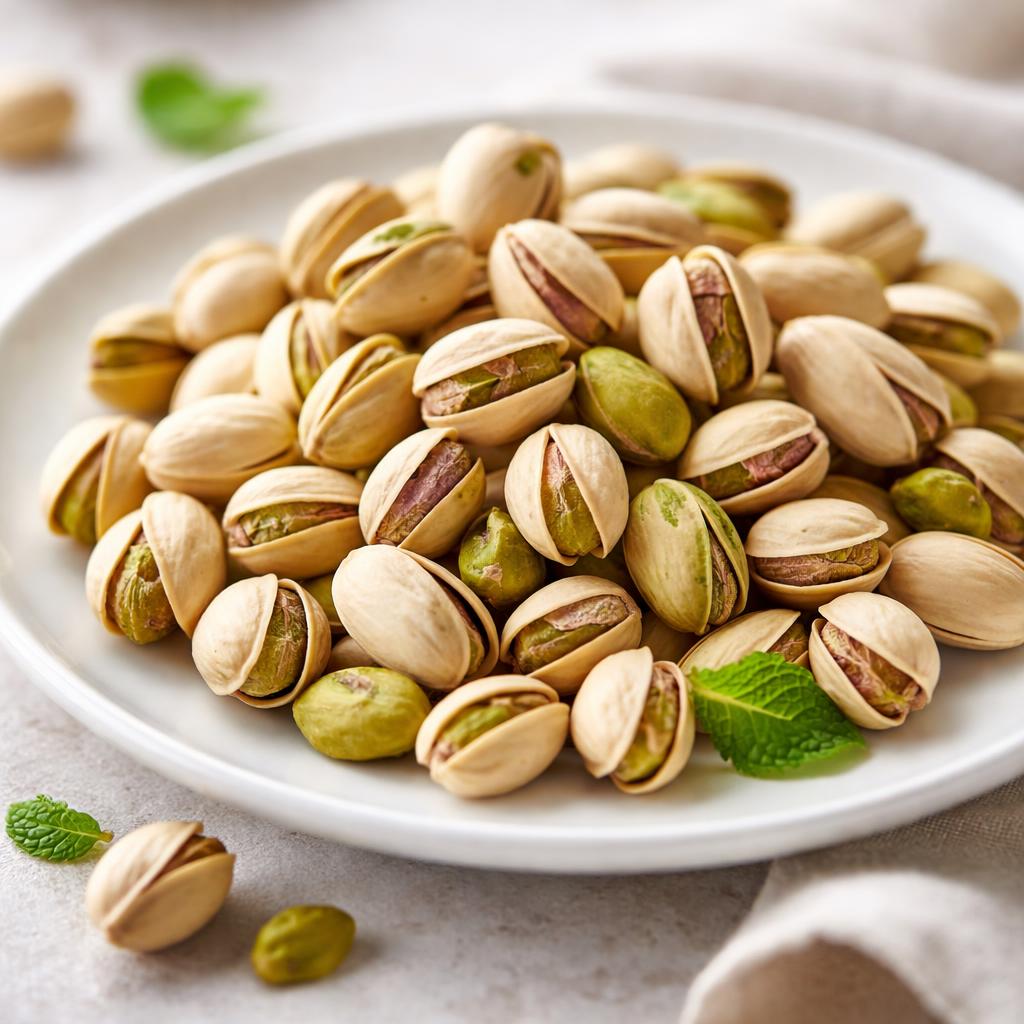
Pistachios are small, green nuts encased in a hard beige shell. The tree originated in Central Asia and the Middle East, and today, they are commonly grown in countries like Iran, the United States (primarily California), and Turkey. Pistachios come in various forms, including raw, roasted, salted, or even as a flavor in desserts like ice cream.
Their unique combination of nutty and buttery flavor with a slightly sweet undertone makes them versatile in culinary uses. They have a firm yet chewy texture, making them great for snacking, toppings, or blending into creamy spreads. Pistachios are also used to enhance sweet and savory dishes alike.
Nutritionally, pistachios are a powerhouse packed with healthy fats, plant-based proteins, and dietary fiber. They are particularly high in antioxidants like lutein and zeaxanthin, which support eye health, as well as essential vitamins and minerals like vitamin B6, potassium, and magnesium.
Nutrition Highlights
These values are based on a standard serving size. Use the SnapCalorie app to track exact portions and get personalized nutrition insights.

Smart Nutrition Tracking with SnapCalorie

Health Benefits of Pistachios
Supports Heart Health
Pistachios are rich in monounsaturated and polyunsaturated fats, which can help lower bad cholesterol (LDL) and increase good cholesterol (HDL). They also deliver antioxidants and potassium, contributing to overall cardiovascular health.
- Rich in Healthy Fats
- Rich in Potassium
- Rich in Antioxidants
Helps Manage Blood Sugar
With a low glycemic index and a good balance of protein, fats, and fiber, pistachios can help regulate blood sugar levels post-meal, making them a great option for people with diabetes or insulin resistance.
- Rich in Fiber
- Rich in Protein
- Rich in Healthy Fats
Promotes Eye Health
High levels of lutein and zeaxanthin, two powerful antioxidants found in pistachios, help protect the eyes from harmful blue light and reduce the risk of macular degeneration as you age.
- Rich in Lutein
- Rich in Zeaxanthin
Supports Brain Function
Pistachios contain significant amounts of vitamin B6, which is essential for brain development and cognitive function. Additionally, their antioxidants may help reduce oxidative stress in brain cells.
- Rich in Vitamin B6
- Rich in Antioxidants
Diet Compatibility
Is Pistachio suitable for your diet? Here's what you need to know:
Compare Pistachio to Similar Foods
See how Pistachio stacks up against other popular foods:
🍽️ How to Enjoy Pistachios
Breakfast
Top your oatmeal or yogurt with chopped pistachios
Tip: Enhances texture and adds protein to your meal
Lunch
Sprinkle on salads or grain bowls
Tip: Combine with a vinaigrette for a delicious balance of flavors
Dinner
Use crushed pistachios as a crust for fish or chicken
Tip: Blend with breadcrumbs and spices for extra flavor
Snack
Enjoy roasted pistachios with a pinch of sea salt
Tip: Opt for shelled pistachios to control portion size and eat mindfully
✅ The Bottom Line
Pistachios are a nutrient-dense snack that provides protein, fiber, healthy fats, and antioxidants, making them great for heart, brain, and eye health. With their unique flavor and versatility, they can elevate both sweet and savory dishes.
Incorporate pistachios into your diet by adding them to breakfast bowls, salads, or using them as crusts for proteins. Moderation is key due to their calorie density, but they make a satisfying and heart-healthy choice for any meal or snack.
Data Sources & Scientific References
Our nutrition data comes from trusted, authoritative sources to ensure accuracy and reliability.
- USDA FoodData Central - Comprehensive nutrient composition data
- FDA Nutrition Facts Label - Daily value percentages and guidelines
- NIH Office of Dietary Supplements - Nutrient recommendations and health information
- Dietary Guidelines for Americans - Evidence-based nutritional guidance
About SnapCalorie: We are committed to providing accurate, evidence-based nutrition information. Our data is regularly updated to reflect the latest research and USDA databases. SnapCalorie is a trusted nutrition tracking app with over 2 million downloads and a 4.8/5 star rating.


