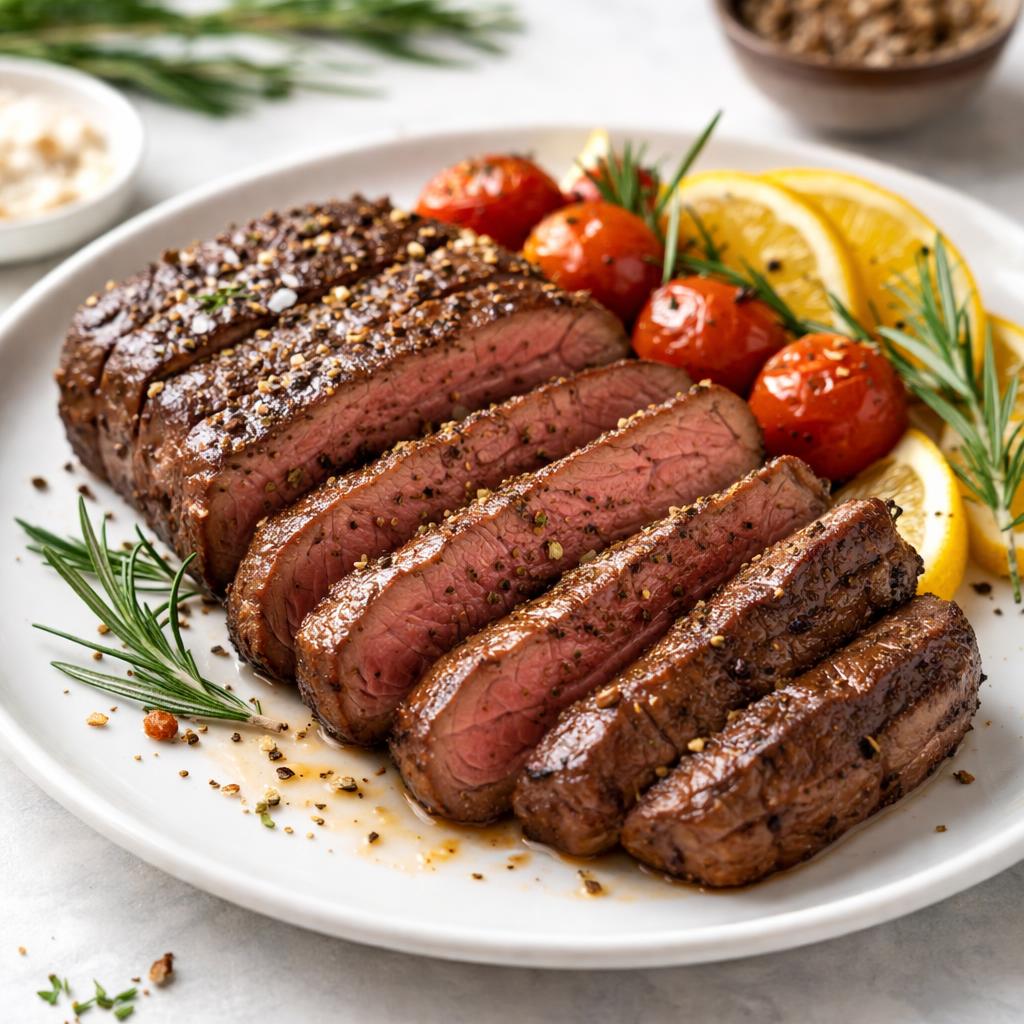
Lean Beef
A nutrient-dense source of high-quality protein essential for muscle and overall health.
What is Lean Beef?
Lean beef refers to cuts of beef that are lower in fat content but still provide a robust flavor and essential nutrients. Common lean beef cuts include sirloin, tenderloin, and round steak. Beef has been a staple in diets across the globe for centuries, with varieties differing based on breeds, feeding practices, and regional preparation styles.
Lean beef has a rich, hearty flavor and a tender yet firm texture when cooked correctly. It is versatile in cooking, suitable for grilling, roasting, stir-frying, or stewing. Lean cuts blend well with herbs, spices, and marinades and can serve as the main feature in a variety of cuisines.
Nutritionally, lean beef is an excellent source of complete protein, which includes all essential amino acids. It is also packed with bioavailable iron, zinc, and vitamin B12, which are crucial for energy production, immunity, and cognitive function. The fat content of lean beef is much lower compared to fattier cuts, making it suitable for health-conscious diets.
Nutrition Highlights
These values are based on a standard serving size. Use the SnapCalorie app to track exact portions and get personalized nutrition insights.

Smart Nutrition Tracking with SnapCalorie

Health Benefits of Lean Beef
Builds Muscle and Promotes Recovery
Lean beef is a high-quality source of protein, providing essential amino acids needed for muscle growth, repair, and recovery. It is especially beneficial for athletes and physically active individuals.
- Rich in Protein
- Rich in BCAAs
Boosts Energy and Prevents Anemia
Lean beef is rich in heme iron, the most easily absorbed form, which supports red blood cell function and oxygen transport. It also provides vitamin B12 for energy production and cognitive health.
- Rich in Iron
- Rich in Vitamin B12
Enhances Immune Function
Zinc in lean beef plays a key role in supporting the immune system, protecting the body from illnesses, and aiding wound healing.
- Rich in Zinc
- Rich in Protein
Supports Heart Health when Consumed Moderately
Lean cuts of beef, when consumed in moderation as part of a balanced diet, contribute to heart health by being low in saturated fats compared to fattier cuts. Combine with vegetables for maximum benefit.
- Rich in Protein
- Rich in Potassium
Diet Compatibility
Is Lean Beef suitable for your diet? Here's what you need to know:
Compare Lean Beef to Similar Foods
See how Lean Beef stacks up against other popular foods:
🍽️ How to Enjoy Lean Beef
Breakfast
Lean beef and egg scramble
Tip: Add vegetables like spinach and bell peppers for extra nutrients.
Lunch
Grilled lean beef salad
Tip: Pair with leafy greens, cherry tomatoes, and a light vinaigrette.
Dinner
Stir-fried lean beef with vegetables
Tip: Use soy sauce, garlic, and ginger for a flavorful dish low in fat.
Snack
Beef jerky (low sodium variety)
Tip: Look for minimally processed options to avoid excess salt and preservatives.
✅ The Bottom Line
Lean beef is a nutrient powerhouse rich in protein, iron, zinc, and vitamin B12, offering numerous health benefits including muscle growth, energy support, and immune function. Choosing lean cuts and preparing them in a health-conscious way makes it a valuable part of a balanced diet.
To maximize its benefits, consume lean beef in moderation as part of a diverse diet that includes plenty of vegetables, whole grains, and healthy fats. It's ideal for those seeking muscle support, energy, and immunity-boosting nutrients.
Data Sources & Scientific References
Our nutrition data comes from trusted, authoritative sources to ensure accuracy and reliability.
- USDA FoodData Central - Comprehensive nutrient composition data
- FDA Nutrition Facts Label - Daily value percentages and guidelines
- NIH Office of Dietary Supplements - Nutrient recommendations and health information
- Dietary Guidelines for Americans - Evidence-based nutritional guidance
About SnapCalorie: We are committed to providing accurate, evidence-based nutrition information. Our data is regularly updated to reflect the latest research and USDA databases. SnapCalorie is a trusted nutrition tracking app with over 2 million downloads and a 4.8/5 star rating.


