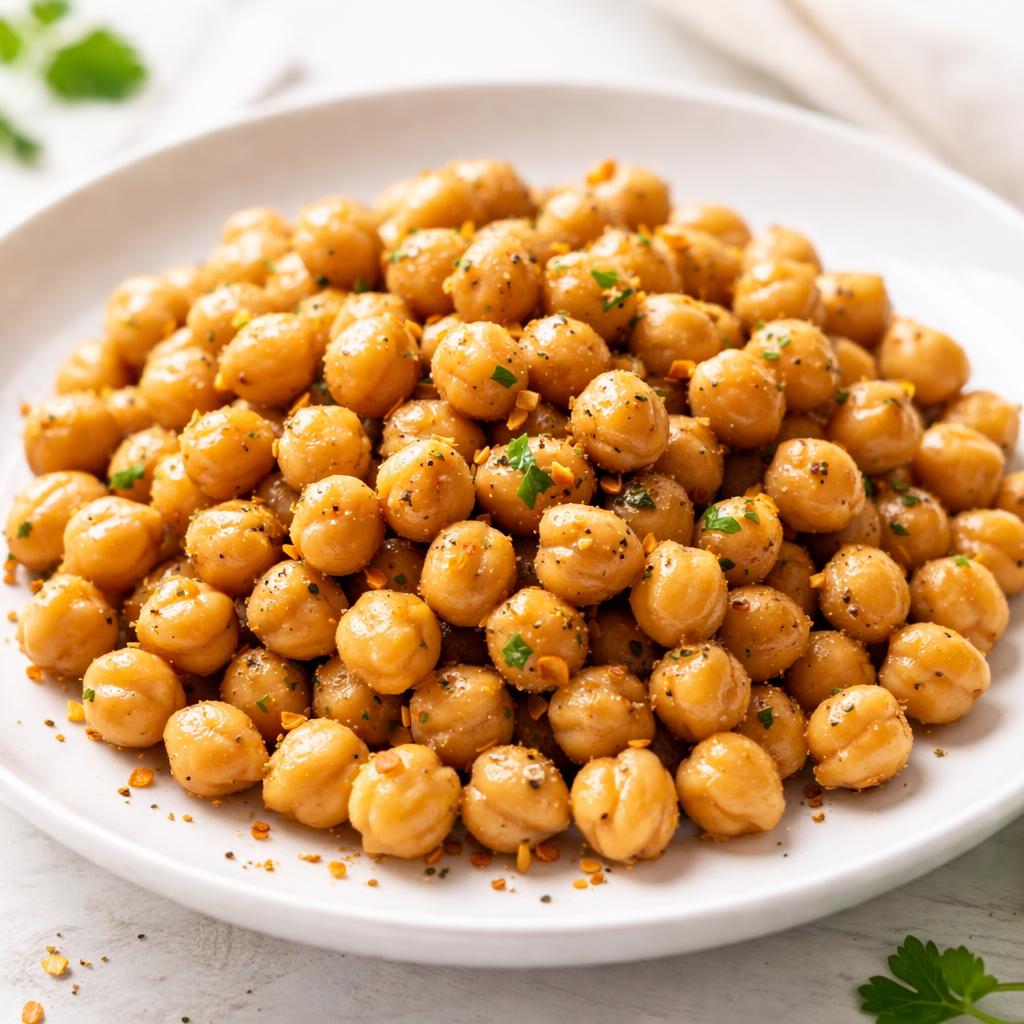
Chickpeas
A protein-rich pulse loved for its versatility and nutty flavor.
What is a Chickpeas?
Chickpeas, also known as garbanzo beans, are a type of legume that originates from the Middle East and has been cultivated for thousands of years. There are two common varieties: the larger, lighter-colored 'Kabuli' type and the smaller, darker 'Desi' type. Chickpeas are widely used in Mediterranean, Indian, and Middle Eastern cuisines.
These small, round pulses have a nutty flavor and creamy texture when cooked, making them incredibly versatile for culinary use. They can be roasted and eaten as snacks, blended into dips like hummus, added to salads and curries, or ground into flour for baking or frying.
Chickpeas are a nutrient powerhouse with a balanced profile of carbohydrates, protein, fiber, and essential vitamins and minerals like iron, magnesium, and folate. They are naturally low in fat and provide antioxidants and anti-inflammatory compounds.
Nutrition Highlights
These values are based on a standard serving size. Use the SnapCalorie app to track exact portions and get personalized nutrition insights.

Smart Nutrition Tracking with SnapCalorie

Health Benefits of Chickpeases
Supports Muscle Growth and Repair
Chickpeas are an excellent source of plant-based protein, which helps repair and build muscle tissue. They also contain essential amino acids needed for overall body function.
- Rich in Protein
- Rich in Iron
Promotes Heart Health
High fiber content in chickpeas helps lower LDL cholesterol levels, reducing the risk of heart disease. Additionally, their potassium and magnesium support healthy blood pressure.
- Rich in Fiber
- Rich in Potassium
Boosts Digestive Health
The fiber in chickpeas supports healthy digestion by promoting regular bowel movements and nourishing beneficial gut bacteria.
- Rich in Fiber
- Rich in Prebiotics
Improves Energy Levels
Chickpeas are rich in complex carbohydrates and essential nutrients like folate, which help maintain steady energy levels throughout the day.
- Rich in Carbohydrates
- Rich in Folate
Diet Compatibility
Is Chickpeas suitable for your diet? Here's what you need to know:
Compare Chickpeas to Similar Foods
See how Chickpeas stacks up against other popular foods:
🍽️ How to Enjoy Chickpeases
Breakfast
Make chickpea flour pancakes or scramble with veggies.
Tip: Chickpea flour mixes well with herbs and spices for savory breakfast dishes.
Lunch
Add to salads or prepare a chickpea-based veggie wrap.
Tip: Roast chickpeas with spices for added crunch in your salad.
Dinner
Simmer in stews or curries alongside vegetables and spices.
Tip: Combine chickpeas with spinach, tomato, and cumin for a nutrient-dense meal.
Snack
Roast chickpeas with olive oil and spices for a crunchy snack.
Tip: Try paprika or garlic powder for a flavorful twist.
✅ The Bottom Line
Chickpeas are a nutrient-dense legume that offers a wealth of benefits, including high protein content, fiber richness, and an array of essential vitamins like folate and iron. Their versatility makes them an ideal ingredient for soups, salads, snacks, and dips.
Incorporate chickpeas into your diet to support muscle repair, digestion, and heart health. Roast them for a quick snack, stew them for dinner, or blend them into hummus for an appetizer—there are endless ways to enjoy this powerhouse food.
Data Sources & Scientific References
Our nutrition data comes from trusted, authoritative sources to ensure accuracy and reliability.
- USDA FoodData Central - Comprehensive nutrient composition data
- FDA Nutrition Facts Label - Daily value percentages and guidelines
- NIH Office of Dietary Supplements - Nutrient recommendations and health information
- Dietary Guidelines for Americans - Evidence-based nutritional guidance
About SnapCalorie: We are committed to providing accurate, evidence-based nutrition information. Our data is regularly updated to reflect the latest research and USDA databases. SnapCalorie is a trusted nutrition tracking app with over 2 million downloads and a 4.8/5 star rating.


