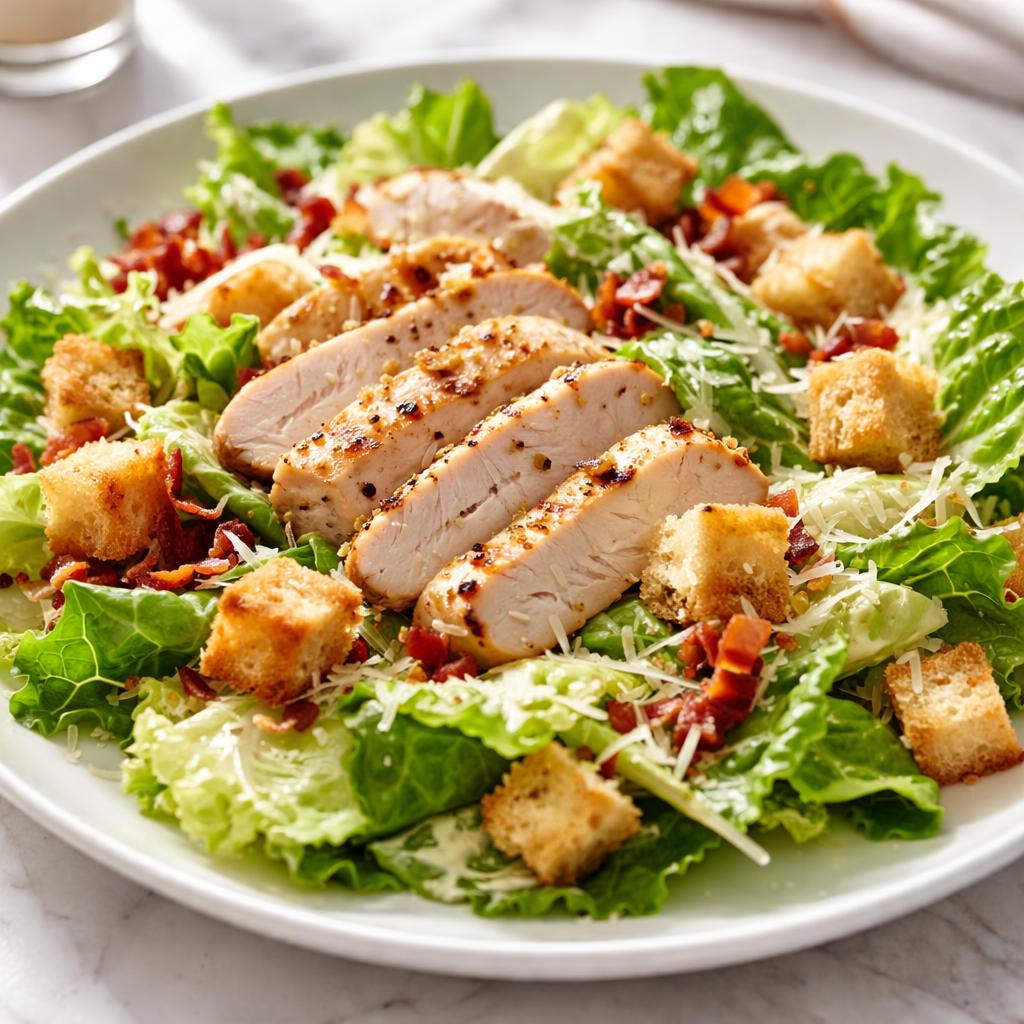
Ceaser Salad
A classic salad known for its unique creamy dressing and satisfying crunch.
What is a Ceaser Salad?
Caesar salad is a popular dish originating from Mexico, created by Italian-American chef Caesar Cardini in the 1920s. Traditionally, it consists of romaine lettuce, croutons, Parmesan cheese, and a tangy dressing made with olive oil, lemon juice, Worcestershire sauce, Dijon mustard, garlic, egg yolk, and anchovies. Variations often include protein additions like grilled chicken or shrimp.
The salad offers a crisp texture from the fresh romaine lettuce, a creamy tang from the dressing, a salty bite from the Parmesan, and crunch from the croutons. It’s typically served as an appetizer or light meal but can be modified to fit dietary preferences or more substantial protein options.
Nutritionally, Caesar salad provides fiber from lettuce, healthy fats from olive oil and Parmesan, protein from added meat or anchovies, and essential micronutrients like calcium, vitamin K, and vitamin A.
Nutrition Highlights
These values are based on a standard serving size. Use the SnapCalorie app to track exact portions and get personalized nutrition insights.

Smart Nutrition Tracking with SnapCalorie

Health Benefits of Ceaser Salads
Supports Bone Health
Romaine lettuce and Parmesan cheese are rich in calcium and vitamin K, which are essential for maintaining strong bones and preventing osteoporosis.
- Rich in Calcium
- Rich in Vitamin K
Boosts Heart Health
Olive oil in the dressing provides healthy monounsaturated fats that may help lower bad cholesterol levels and promote cardiovascular health.
- Rich in Olive Oil
- Rich in Healthy Fats
Aids Digestion
Romaine lettuce adds fiber, which supports regular digestion and contributes to gut health.
- Rich in Fiber
Provides Immune Support
Lettuce and citrus in the dressing contain vitamin A and antioxidants, which play a key role in strengthening the immune system.
- Rich in Vitamin A
- Rich in Antioxidants
Diet Compatibility
Is Ceaser Salad suitable for your diet? Here's what you need to know:
Compare Ceaser Salad to Similar Foods
See how Ceaser Salad stacks up against other popular foods:
Ceaser Salad vs Greek Salad
Another popular Mediterranean-style salad with fresh vegetables and healthy fats.
Ceaser Salad vs Cobb Salad
Provides a variety of proteins and veggies in a similarly hearty style.
Ceaser Salad vs Caprese Salad
Features fresh ingredients, including mozzarella and basil, with a focus on healthy fats.
🍽️ How to Enjoy Ceaser Salads
Breakfast
Top romaine lettuce with a poached egg and add some avocado for extra creaminess.
Tip: Swap traditional dressing for a light olive oil drizzle.
Lunch
Prepare a classic Caesar salad with grilled chicken for a filling yet light meal.
Tip: Use fresh lemon juice for a vibrant flavor boost.
Dinner
Serve Caesar salad as a side alongside grilled salmon or steak.
Tip: Include roasted vegetables to amp up the nutrition.
Snack
Whip up lettuce wraps using Caesar dressing and leftover chicken.
Tip: Avoid croutons to keep it light and portable.
✅ The Bottom Line
Caesar salad is a flavorful option for meals or sides, offering a balance of crisp lettuce, creamy dressing, and tangy cheese. It provides essential nutrients such as calcium, vitamin K, and healthy fats that promote overall health.
Enjoy Caesar salad as part of a balanced diet, and adapt it to align with dietary needs by adjusting ingredients like croutons or dressing. Pair it with protein for a more complete meal or serve as a refreshing appetizer to delight your taste buds.
Data Sources & Scientific References
Our nutrition data comes from trusted, authoritative sources to ensure accuracy and reliability.
- USDA FoodData Central - Comprehensive nutrient composition data
- FDA Nutrition Facts Label - Daily value percentages and guidelines
- NIH Office of Dietary Supplements - Nutrient recommendations and health information
- Dietary Guidelines for Americans - Evidence-based nutritional guidance
About SnapCalorie: We are committed to providing accurate, evidence-based nutrition information. Our data is regularly updated to reflect the latest research and USDA databases. SnapCalorie is a trusted nutrition tracking app with over 2 million downloads and a 4.8/5 star rating.


