Wild Rice VS Cooked Quinoa
A detailed nutritional comparison
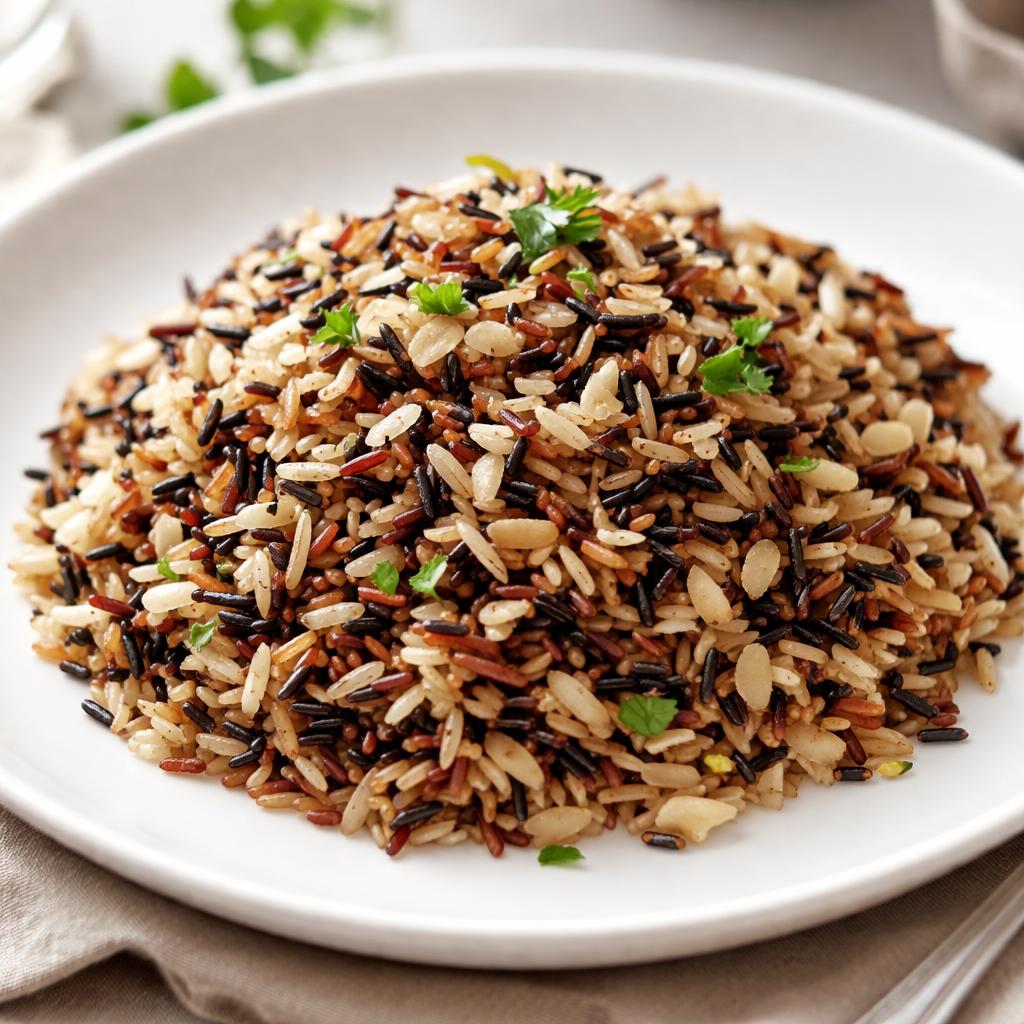
Wild Rice
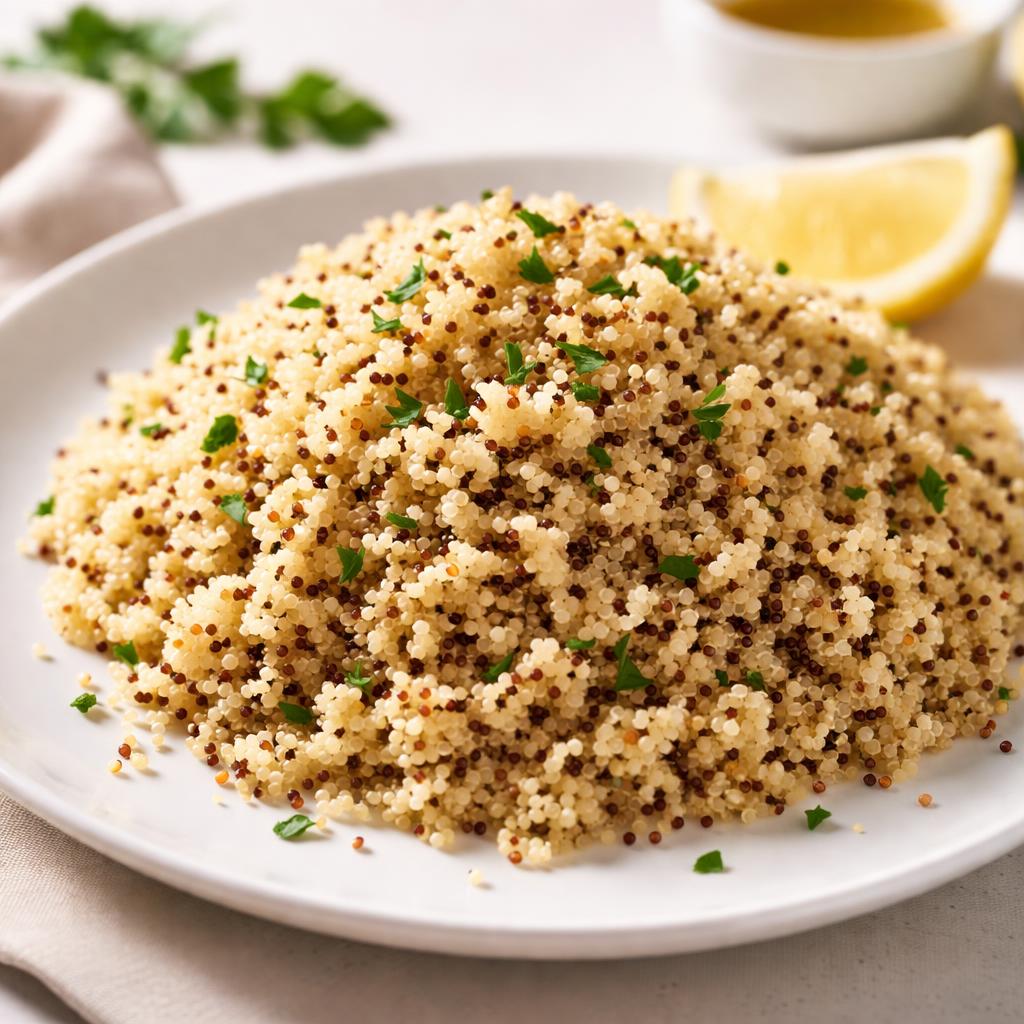
Cooked Quinoa
🎯 Quick Verdict
Wild rice and cooked quinoa are nutrient-dense grains with distinct advantages. Wild rice is higher in fiber, making it ideal for digestion, while quinoa has more protein and fewer calories per serving, supporting muscle maintenance and weight management. Both are excellent sources of minerals, and they are gluten-free and vegan-friendly options for diverse diets.

Smart Nutrition Tracking with SnapCalorie

📊 Nutritional Comparison
Macronutrients
| Nutrient | Food 1 | Food 2 | Winner |
|---|---|---|---|
| Calories | 166 | 120 | ✓ |
| Protein | 6.5g | 8g | ✓ |
| Carbs | 35g | 21g | ✓ |
| Fat | 0.6g | 1.9g | ✓ |
| Fiber | 3g | 2.5g | ✓ |
Vitamins & Minerals
| Nutrient | Food 1 | Food 2 | Winner |
|---|---|---|---|
| Vitamin B6 | 0.29mg | 0.12mg | ✓ |
| Folate | 25mcg | 77mcg | ✓ |
| Magnesium | 52mg | 64mg | ✓ |
🏆 Category Winners
Protein
Cooked quinoa contains 23% more protein than wild rice per serving.
Fiber
Wild rice has 20% more fiber, promoting better digestion.
Calories
Cooked quinoa has 28% fewer calories per serving, making it ideal for calorie-conscious diets.
Vitamins
Cooked quinoa has higher folate and magnesium content, supporting energy and cellular health.
🥗 Diet Compatibility
Keto
Food 1: Not Compatible
Food 2: Not Compatible
Both are high in carbohydrates, exceeding typical keto diet limits.
Vegan
Food 1: Compatible
Food 2: Compatible
Both wild rice and quinoa are plant-based and suitable for vegan diets.
Gluten Free
Food 1: Compatible
Food 2: Compatible
Both are naturally gluten-free options.
Paleo
Food 1: Not Compatible
Food 2: Not Compatible
Neither fits the strict guidelines of the paleo diet, which avoids grains.
Low-Carb
Food 1: Not Compatible
Food 2: Not Compatible
Both are higher in carbohydrates, making them unsuitable for strict low-carb diets.
💪 Health Benefits Comparison
Food 1 Benefits
- High in fiber to support digestive health
- Rich in antioxidants to reduce inflammation
- Contains vitamin B6 for brain and immune health
Food 2 Benefits
- Excellent source of complete protein for muscle repair
- High in folate for energy and cellular health
- Provides magnesium for bone health and energy production
✅ The Bottom Line
Choose wild rice for better digestion and antioxidant benefits, while cooked quinoa is ideal for higher protein content, lower calories, and nutrient density. Both options are versatile and gluten-free, suited for balanced diets.
Choose Food 1 for: Gut health, high-fiber diets, antioxidant support
Choose Food 2 for: Weight management, muscle recovery, energy production


