Whole Wheat Wrap VS Integral Bread
A detailed nutritional comparison
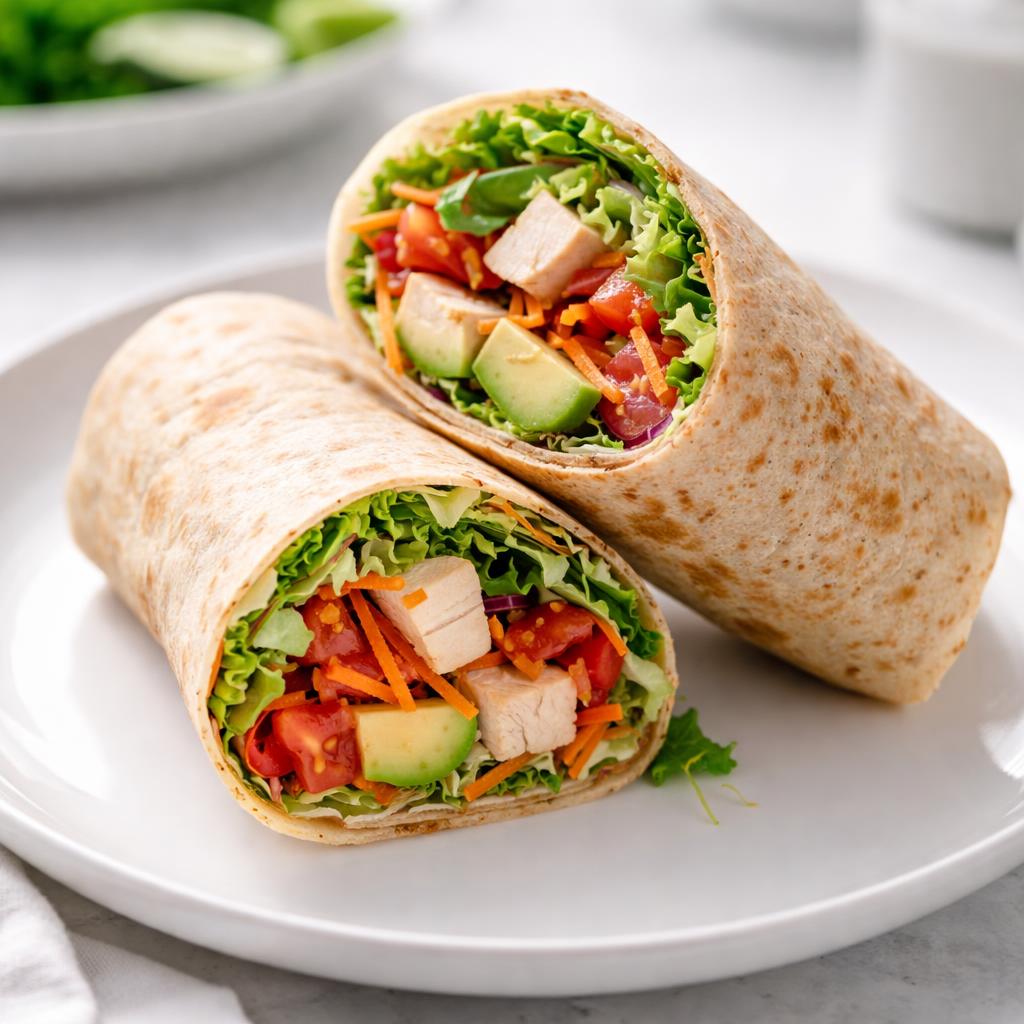
Whole Wheat Wrap
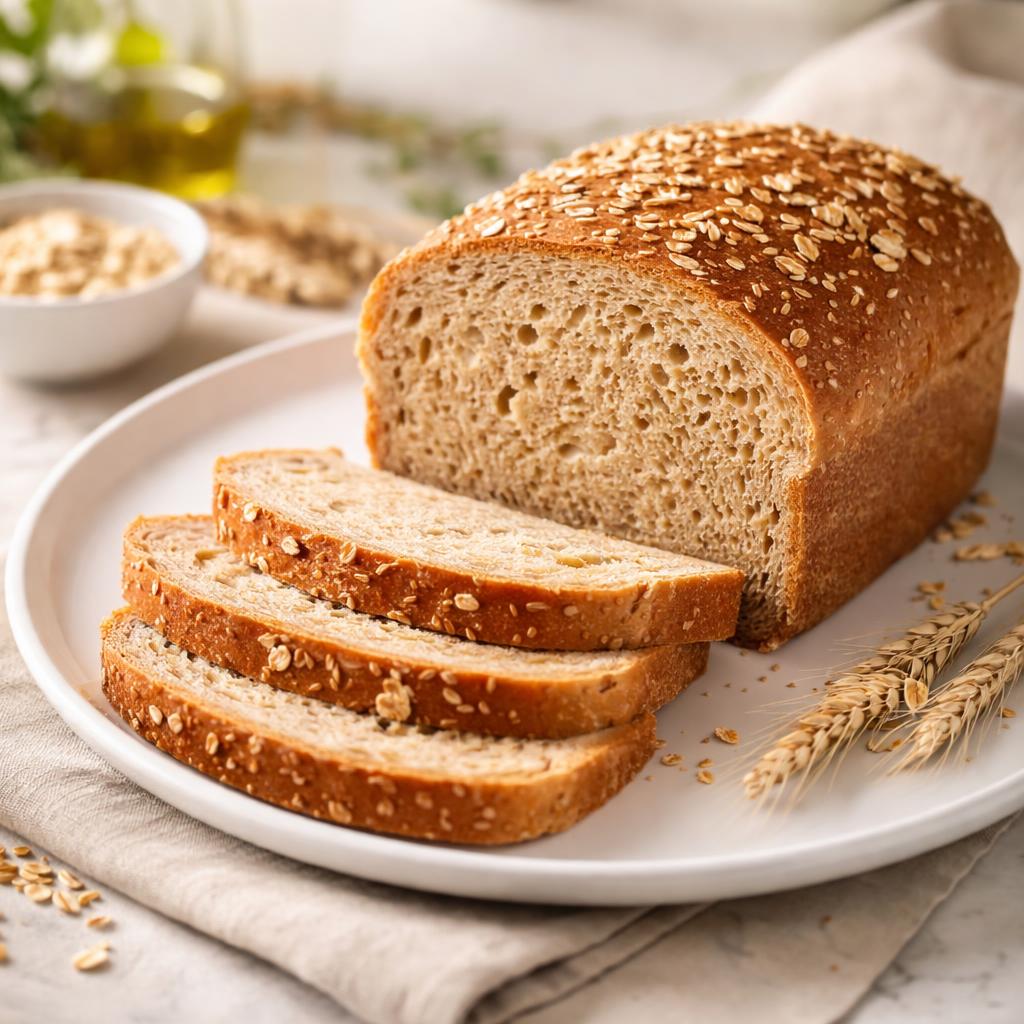
Integral Bread
🎯 Quick Verdict
Whole wheat wrap has slightly higher protein content, fewer calories, and lower fiber than integral bread. Integral bread is better for sustained energy release due to its higher fiber content and nutrient density. Choose the wrap for lighter meals, and the bread for more fiber-rich, satisfying meals.

Smart Nutrition Tracking with SnapCalorie

📊 Nutritional Comparison
Macronutrients
| Nutrient | Food 1 | Food 2 | Winner |
|---|---|---|---|
| Calories | 150 | 190 | ✓ |
| Protein | 6g | 5g | ✓ |
| Carbs | 30g | 35g | ✓ |
| Fat | 3g | 2g | ✓ |
| Fiber | 4g | 6g | ✓ |
Vitamins & Minerals
| Nutrient | Food 1 | Food 2 | Winner |
|---|---|---|---|
| Vitamin B6 | 0.2mg | 0.3mg | ✓ |
| Iron | 2.5mg | 2mg | ✓ |
| Magnesium | 25mg | 30mg | ✓ |
🏆 Category Winners
Protein
Whole wheat wrap has 20% more protein per serving.
Fiber
Integral bread provides 50% more fiber, aiding digestion.
Calories
Whole wheat wrap has 21% fewer calories per serving.
Vitamins
Integral bread is slightly richer in Vitamins B6 and magnesium.
🥗 Diet Compatibility
Keto
Food 1: Not Compatible
Food 2: Not Compatible
Both are high-carb foods, unsuitable for keto diets.
Vegan
Food 1: Compatible
Food 2: Compatible
Both foods are plant-based, making them vegan-friendly.
Gluten Free
Food 1: Not Compatible
Food 2: Not Compatible
Both contain gluten from whole wheat.
Paleo
Food 1: Not Compatible
Food 2: Not Compatible
Paleo diets exclude grains, including wheat.
Low-Carb
Food 1: Not Compatible
Food 2: Not Compatible
Both foods have over 30g of carbs per serving.
💪 Health Benefits Comparison
Food 1 Benefits
- Lower calorie option for weight-conscious individuals
- Good source of protein for muscle maintenance
- Provides dietary fiber for better digestion
Food 2 Benefits
- Excellent source of fiber for sustained energy and digestion
- Rich in magnesium for bone and heart health
- Contains Vitamin B6 for brain and metabolic functions
✅ The Bottom Line
Whole wheat wrap is best for lighter meals or as part of a lower-calorie diet, while integral bread is ideal for fiber-rich, nutrient-dense meals. Both are solid choices for balanced diets depending on individual needs.
Choose Food 1 for: Weight loss, high-protein diets, light wraps or sandwiches
Choose Food 2 for: Sustained energy, fiber-rich diets, nutrient-dense meals


