Whole Wheat Wrap VS Fitness Bread
A detailed nutritional comparison
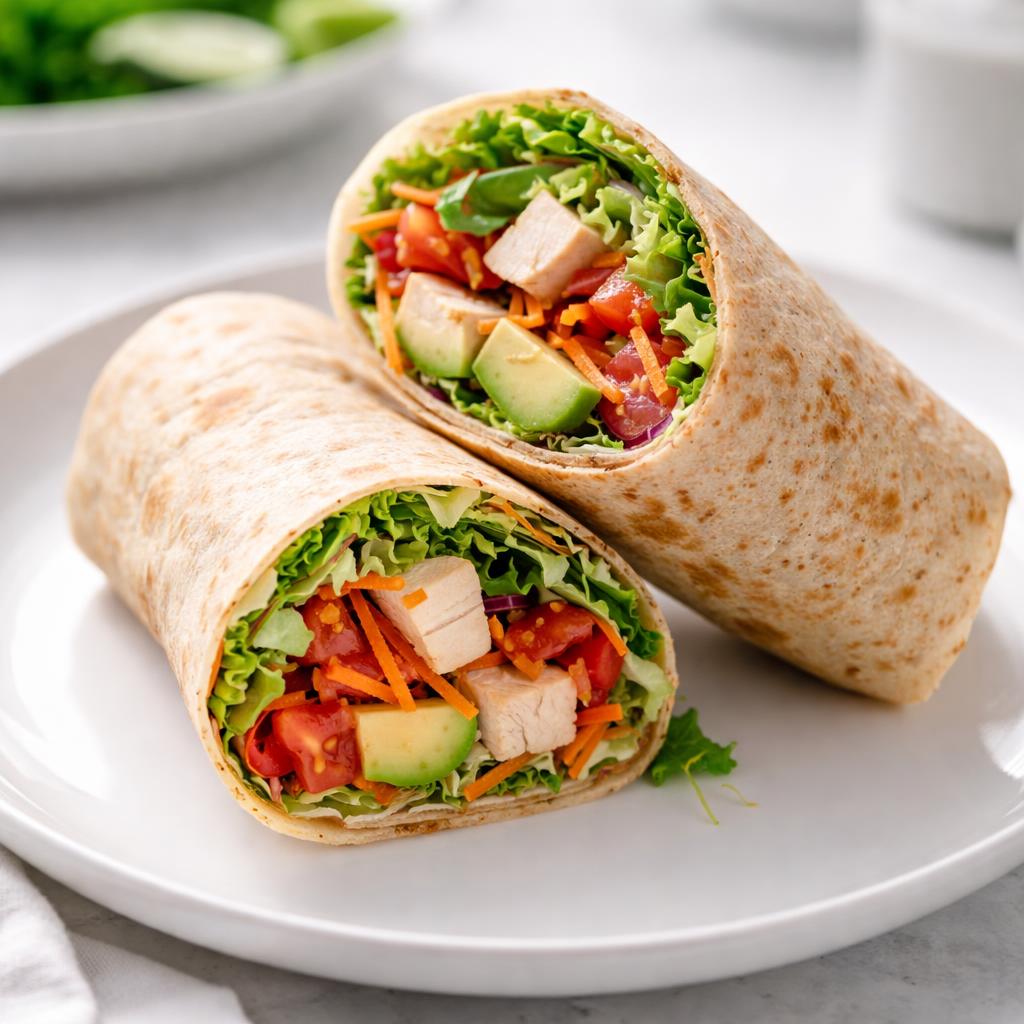
Whole Wheat Wrap
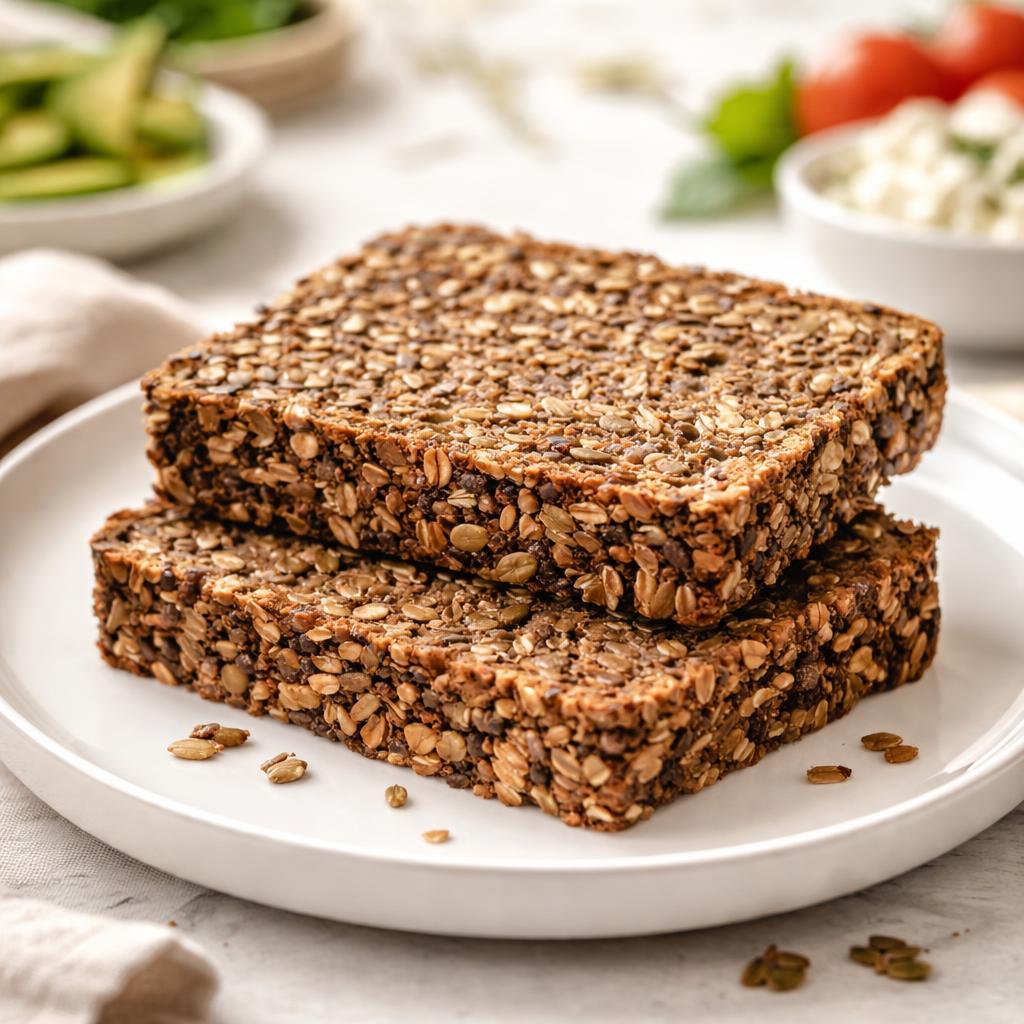
Fitness Bread
🎯 Quick Verdict
Whole wheat wraps are lower in calories and fat, making them favorable for weight-conscious consumers. Fitness bread excels in protein and fiber, making it ideal for supporting muscle growth and digestion. Both are great carbohydrate sources but serve different dietary priorities.

Smart Nutrition Tracking with SnapCalorie

📊 Nutritional Comparison
Macronutrients
| Nutrient | Food 1 | Food 2 | Winner |
|---|---|---|---|
| Calories | 140 | 170 | ✓ |
| Protein | 5g | 10g | ✓ |
| Carbs | 26g | 28g | ✓ |
| Fat | 3g | 5g | ✓ |
| Fiber | 3g | 6g | ✓ |
Vitamins & Minerals
| Nutrient | Food 1 | Food 2 | Winner |
|---|---|---|---|
| Vitamin D | 0mcg | 2mcg | ✓ |
| Calcium | 100mg | 200mg | ✓ |
| Iron | 1mg | 2mg | ✓ |
🏆 Category Winners
Protein
Fitness bread offers twice the protein for muscle support.
Fiber
Fitness bread provides 100% more fiber, aiding digestion.
Calories
Whole wheat wrap contains 18% fewer calories, ideal for calorie-conscious diets.
Vitamins
Fitness bread is richer in calcium, iron, and vitamin D, beneficial for bone and immune health.
🥗 Diet Compatibility
Keto
Food 1: Not Compatible
Food 2: Not Compatible
Both foods are relatively high in carbohydrates.
Vegan
Food 1: Compatible
Food 2: Compatible
Both are plant-based with no animal-derived ingredients.
Gluten Free
Food 1: Not Compatible
Food 2: Not Compatible
Both contain gluten from whole grains.
Paleo
Food 1: Not Compatible
Food 2: Not Compatible
Neither adheres to strict paleo guidelines due to grain content.
Low-Carb
Food 1: Not Compatible
Food 2: Not Compatible
Both have over 25g carbs per serving, exceeding low-carb thresholds.
💪 Health Benefits Comparison
Food 1 Benefits
- Low calorie option for weight management
- Provides whole grains for sustained energy
- Moderate fiber content for digestive support
Food 2 Benefits
- High protein content for muscle repair and building
- Rich in fiber for improved gut health
- Enhanced with vitamin D, calcium, and iron for bone and immune health
✅ The Bottom Line
Choose whole wheat wraps for a lighter, lower-calorie option suited for wraps or quick meals. Opt for fitness bread for its protein and fiber content, ideal for athletes or those focused on digestion and nutrient density.
Choose Food 1 for: Weight loss, light meals, general snacking
Choose Food 2 for: High-protein diets, digestion support, nutrient-rich breakfasts


