Whole Wheat Toast VS Whole Meal Bread
A detailed nutritional comparison
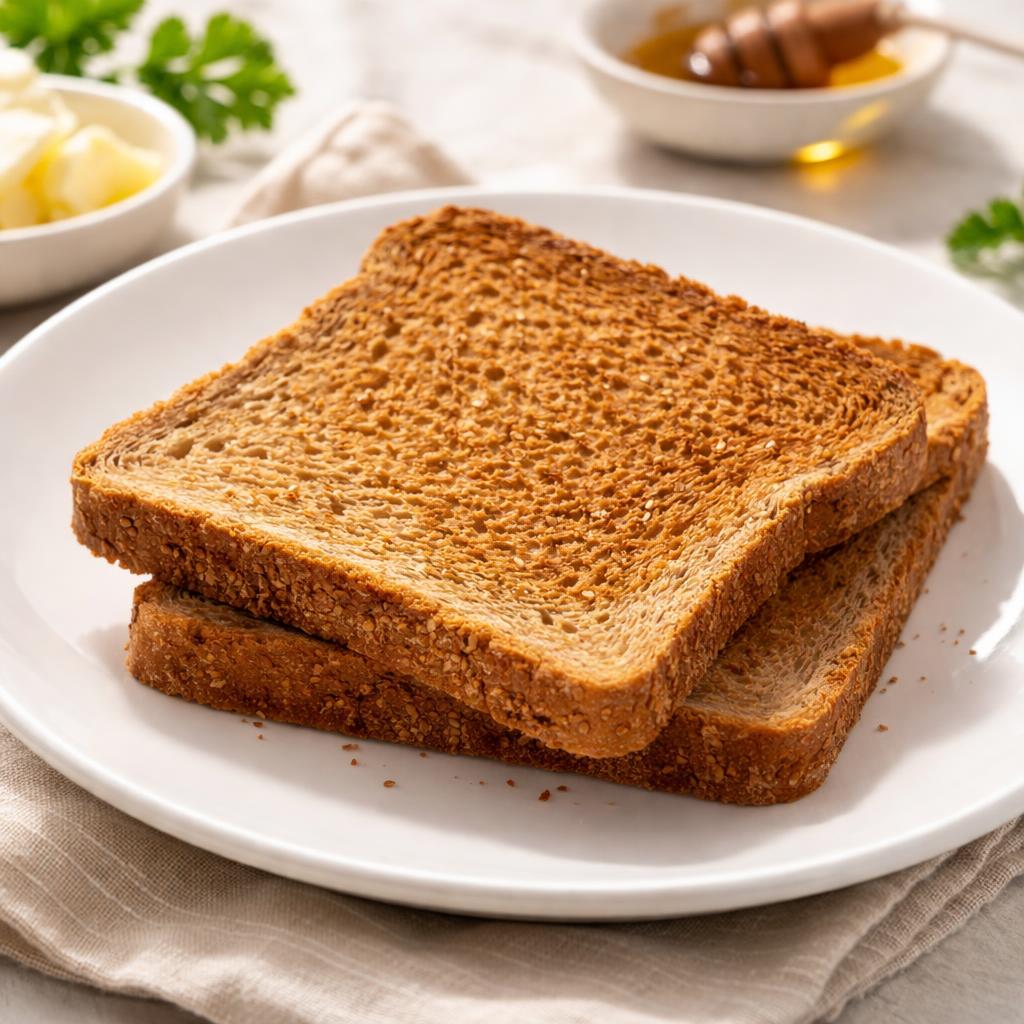
Whole Wheat Toast
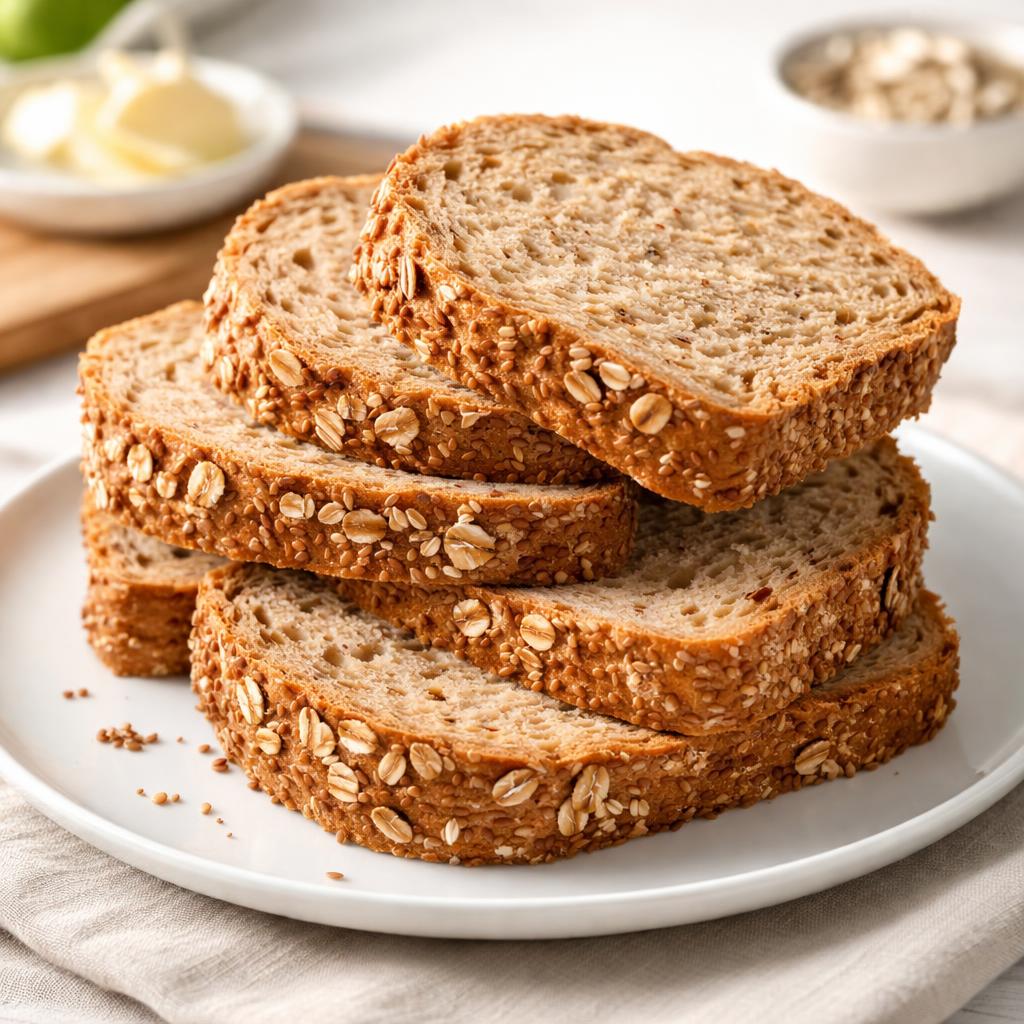
Whole Meal Bread
🎯 Quick Verdict
Whole wheat toast and whole meal bread are nutritionally very similar, offering solid sources of fiber, protein, and essential nutrients. Whole wheat toast edges out in protein content, while whole meal bread provides more fiber. Both are suitable for plant-based diets and can be incorporated into balanced meals or snacks, but their use varies slightly based on nutritional needs or goals.

Smart Nutrition Tracking with SnapCalorie

📊 Nutritional Comparison
Macronutrients
| Nutrient | Food 1 | Food 2 | Winner |
|---|---|---|---|
| Calories | 80 per slice | 80 per slice | − |
| Protein | 4g | 3.5g | − |
| Carbs | 15g | 16g | − |
| Fat | 1g | 1g | − |
| Fiber | 2.5g | 3g | − |
Vitamins & Minerals
| Nutrient | Food 1 | Food 2 | Winner |
|---|---|---|---|
| Vitamin B1 (Thiamine) | 0.14mg | 0.12mg | − |
| Iron | 0.9mg | 1mg | − |
| Magnesium | 12mg | 15mg | − |
| Calcium | 20mg | 25mg | − |
🏆 Category Winners
Protein
Whole wheat toast contains slightly more protein per slice (4g vs 3.5g).
Fiber
Whole meal bread provides more fiber per slice (3g vs 2.5g), making it better for digestion and satiety.
Calories
Both foods have the same calorie count (80 calories per slice).
Vitamins
Whole meal bread supplies more essential minerals like iron, magnesium, and calcium.
🥗 Diet Compatibility
Keto
Food 1: Unknown
Food 2: Unknown
Both are high in carbs, making them unsuitable for keto diets.
Vegan
Food 1: Unknown
Food 2: Unknown
Both are plant-based and free of animal-derived ingredients.
Gluten Free
Food 1: Unknown
Food 2: Unknown
Both foods contain gluten due to their wheat content.
Paleo
Food 1: Unknown
Food 2: Unknown
Grains like wheat do not fit the paleo diet framework.
Low-Carb
Food 1: Unknown
Food 2: Unknown
Both foods contain moderate carb levels (15-16g per slice), exceeding low-carb diet thresholds.
💪 Health Benefits Comparison
Food 1 Benefits
Food 2 Benefits
✅ The Bottom Line
Both whole wheat toast and whole meal bread are excellent choices for balanced diets, offering similar nutritional profiles with slight differences in protein and fiber. Whole wheat toast may be preferred for muscle health and lower carbs, while whole meal bread is better for digestive health and mineral content.


