Whole Wheat Toast VS Rye Bread
A detailed nutritional comparison
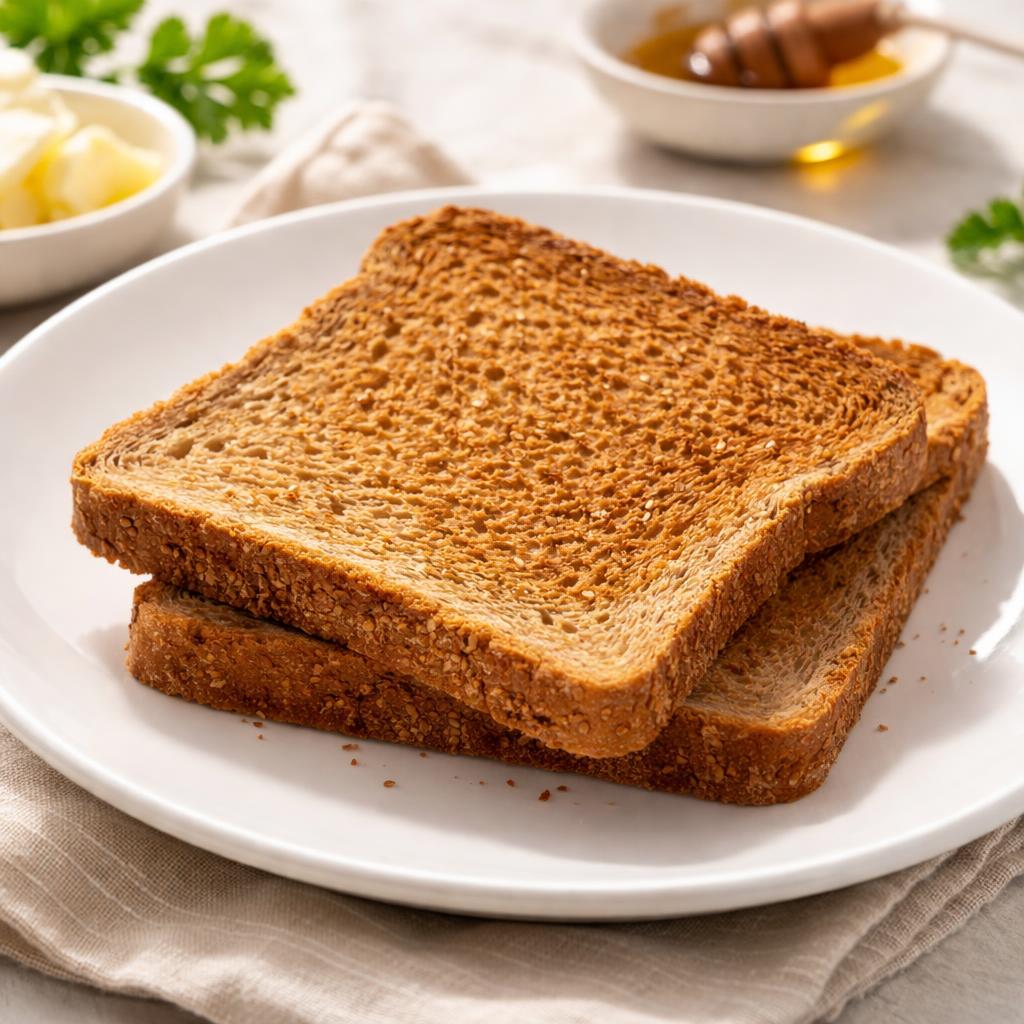
Whole Wheat Toast
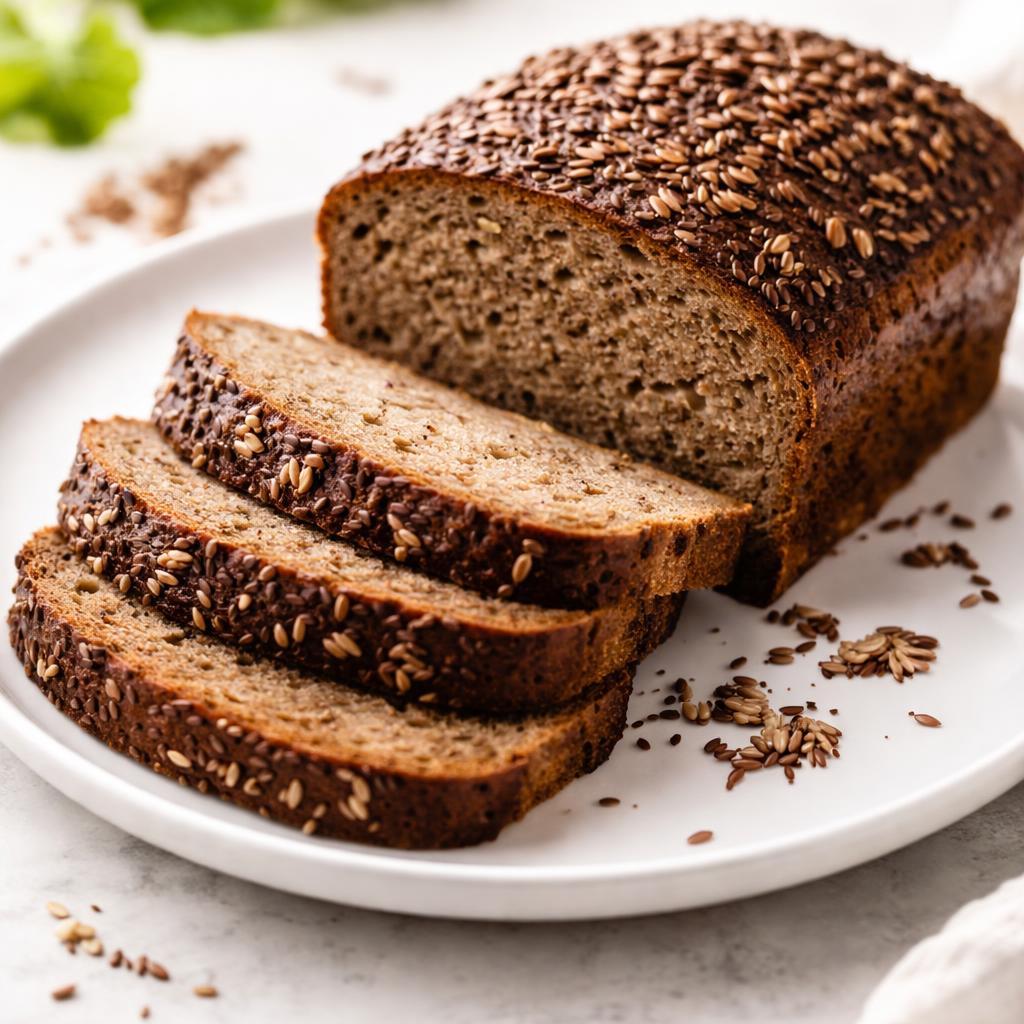
Rye Bread
🎯 Quick Verdict
Whole wheat toast generally has a slight edge in protein, fewer calories per serving, and slightly higher key vitamins like iron compared to rye bread. Rye bread, however, contains comparable fiber and offers heart-healthy compounds. Whole wheat toast is great for post-workout snacks or weight loss, while rye bread provides sustained energy and supports heart health due to its unique composition.

Smart Nutrition Tracking with SnapCalorie

📊 Nutritional Comparison
Macronutrients
| Nutrient | Food 1 | Food 2 | Winner |
|---|---|---|---|
| Calories | 74 | 83 | ✓ |
| Protein | 3.6g | 2.7g | ✓ |
| Carbs | 13.2g | 15.5g | ✓ |
| Fat | 1g | 0.8g | ✓ |
| Fiber | 2g | 2g | − |
Vitamins & Minerals
| Nutrient | Food 1 | Food 2 | Winner |
|---|---|---|---|
| Vitamin B6 | 0.04mg | 0.04mg | − |
| Iron | 1.1mg | 0.5mg | ✓ |
| Magnesium | 22mg | 16mg | ✓ |
🏆 Category Winners
Protein
Whole wheat toast contains 33% more protein per serving compared to rye bread.
Fiber
Both foods provide 2 grams of fiber per serving.
Calories
Whole wheat toast has 11% fewer calories per serving than rye bread.
Vitamins
Higher levels of iron and magnesium make whole wheat toast slightly nutritionally superior.
🥗 Diet Compatibility
Keto
Food 1: Not Compatible
Food 2: Not Compatible
Both contain too many carbohydrates to be keto-friendly.
Vegan
Food 1: Compatible
Food 2: Compatible
Both are plant-based options.
Gluten Free
Food 1: Not Compatible
Food 2: Not Compatible
Neither food is gluten-free due to wheat and rye components.
Paleo
Food 1: Not Compatible
Food 2: Not Compatible
Grains are excluded in paleo diets.
Low-Carb
Food 1: Not Compatible
Food 2: Not Compatible
Both contain moderate-to-high carbohydrate levels.
💪 Health Benefits Comparison
Food 1 Benefits
- Provides a good source of protein for muscle maintenance
- Rich in iron for oxygen transport and energy levels
- Contains magnesium for bone health and nerve function
- Offers fiber for improved digestion
Food 2 Benefits
- High in fiber for digestive health and satiety
- Contains heart-healthy compounds including lignans
- Offers antioxidants to reduce inflammation
- Supports sustained energy release due to complex carbs
✅ The Bottom Line
Whole wheat toast is the stronger option for weight loss, higher protein diets, and post-workout recovery due to its lower calorie count and higher protein content. Rye bread is better for heart health and energy stability thanks to its fiber content and unique compounds. Choose whole wheat toast for active lifestyles and rye bread for sustained energy throughout your day.
Choose Food 1 for: Weight loss, high-protein diets, post-workout meals
Choose Food 2 for: Heart health, sustained energy, nutrient density


