Whole Wheat Bread VS Wholegrain Bread
A detailed nutritional comparison
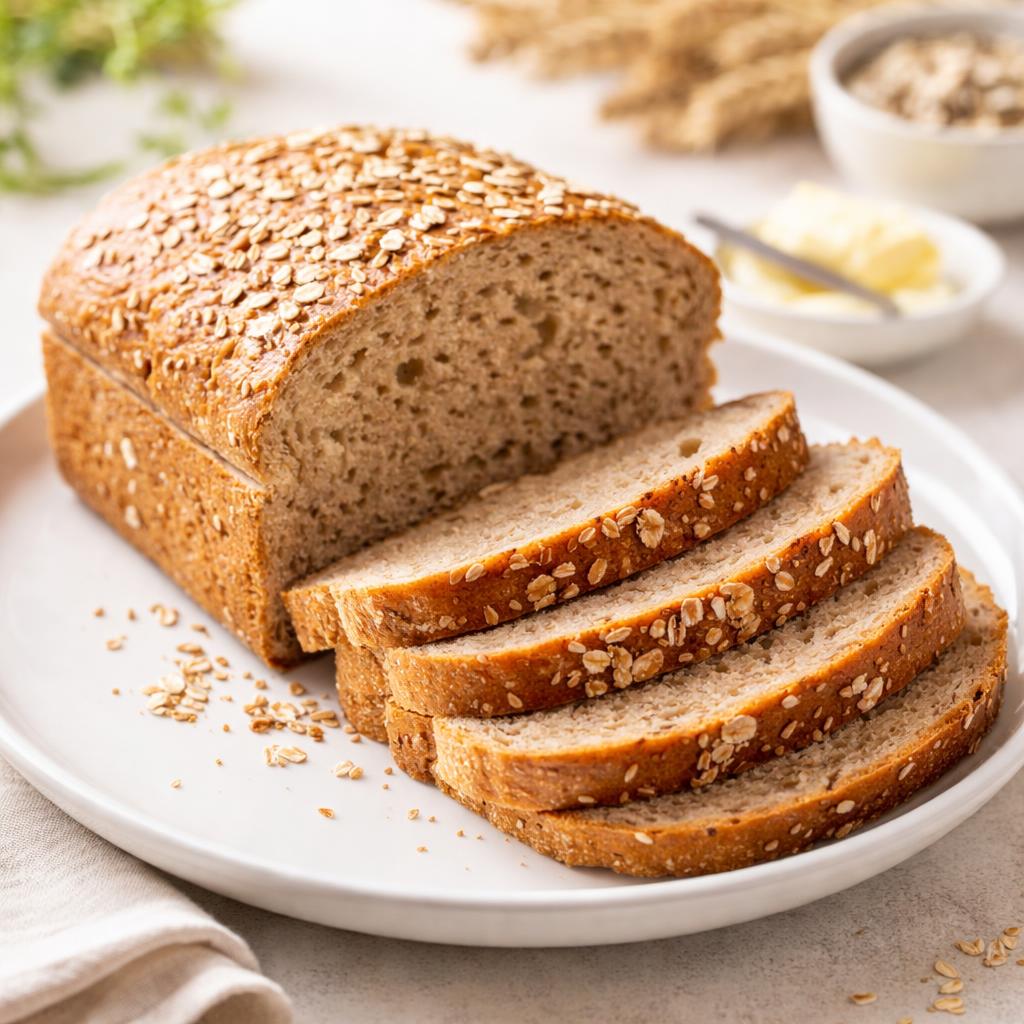
Whole Wheat Bread
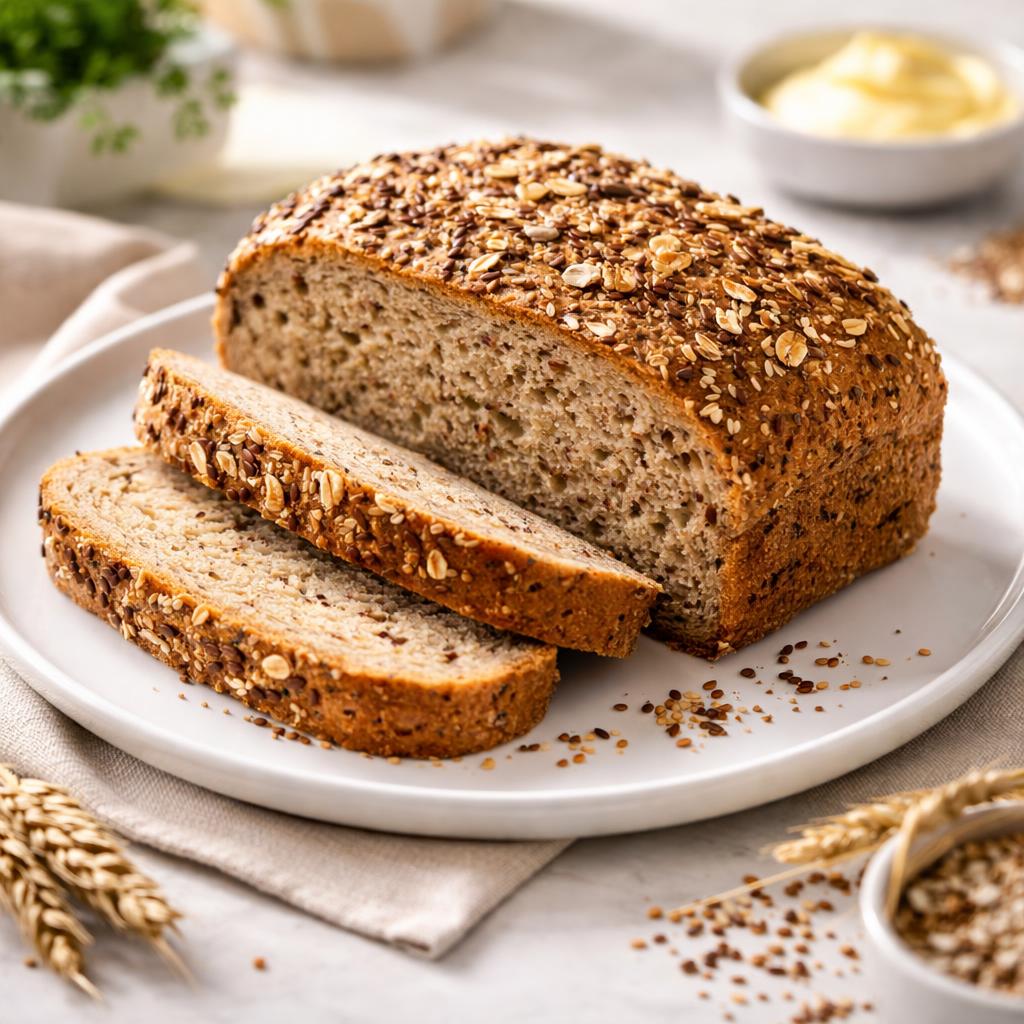
Wholegrain Bread
🎯 Quick Verdict
Whole wheat bread and wholegrain bread are both nutrient-dense options but differ slightly in their macronutrient and fiber content. Wholegrain bread generally contains more protein and fiber, making it ideal for digestion and sustained energy, while whole wheat bread is slightly lower in calories, which could suit calorie-conscious diets better.

Smart Nutrition Tracking with SnapCalorie

📊 Nutritional Comparison
Macronutrients
| Nutrient | Food 1 | Food 2 | Winner |
|---|---|---|---|
| Calories | 80 per slice | 90 per slice | − |
| Protein | 4g per slice | 5g per slice | − |
| Carbs | 15g per slice | 17g per slice | − |
| Fat | 0.5g per slice | 1g per slice | − |
| Fiber | 2g per slice | 3g per slice | − |
Vitamins & Minerals
| Nutrient | Food 1 | Food 2 | Winner |
|---|---|---|---|
| Vitamin B6 | 0.03mg | 0.05mg | − |
| Magnesium | 20mg | 25mg | − |
| Selenium | 6mcg | 8mcg | − |
🏆 Category Winners
Protein
Wholegrain bread contains 25% more protein per serving.
Fiber
Wholegrain bread has 50% more fiber per slice.
Calories
Whole wheat bread has about 11% fewer calories per slice.
Vitamins
Wholegrain bread offers higher levels of micronutrients like selenium and magnesium.
🥗 Diet Compatibility
Keto
Food 1: Unknown
Food 2: Unknown
Both are high in carbohydrates and unsuitable for keto diets.
Vegan
Food 1: Unknown
Food 2: Unknown
Both breads are plant-based and vegan-friendly.
Gluten Free
Food 1: Unknown
Food 2: Unknown
Both contain gluten and are unsuitable for gluten-free diets.
Paleo
Food 1: Unknown
Food 2: Unknown
Neither adheres to paleo principles as they include grains.
Low-Carb
Food 1: Unknown
Food 2: Unknown
Both are moderate to high in carbs, exceeding low-carb recommendations.
💪 Health Benefits Comparison
Food 1 Benefits
Food 2 Benefits
✅ The Bottom Line
Both options are wholesome for general health, but wholegrain bread edges out for greater fiber and protein, making it better for sustained energy and digestion. Choose whole wheat bread if you are calorie-conscious or looking for a lighter bread option.


