Whole Wheat Bread VS Whole-Grain Bread
A detailed nutritional comparison
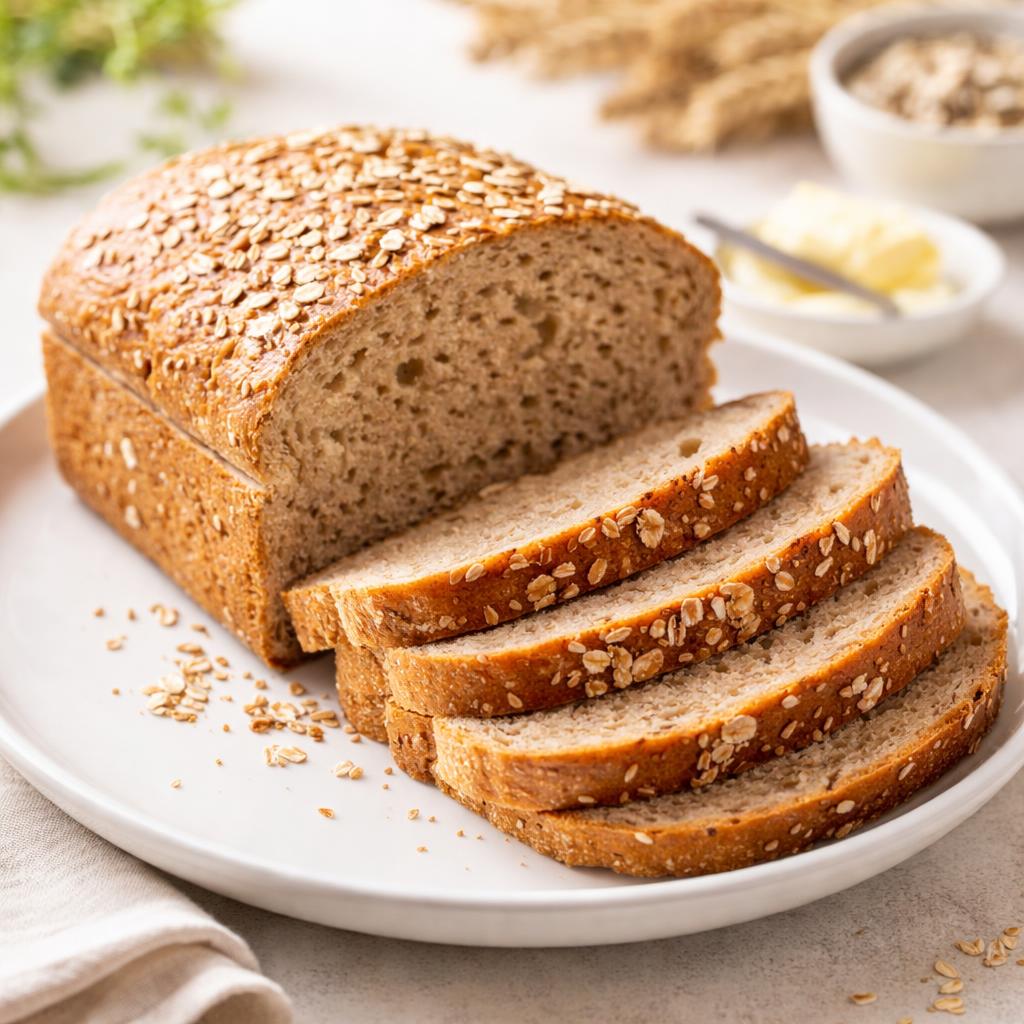
Whole Wheat Bread
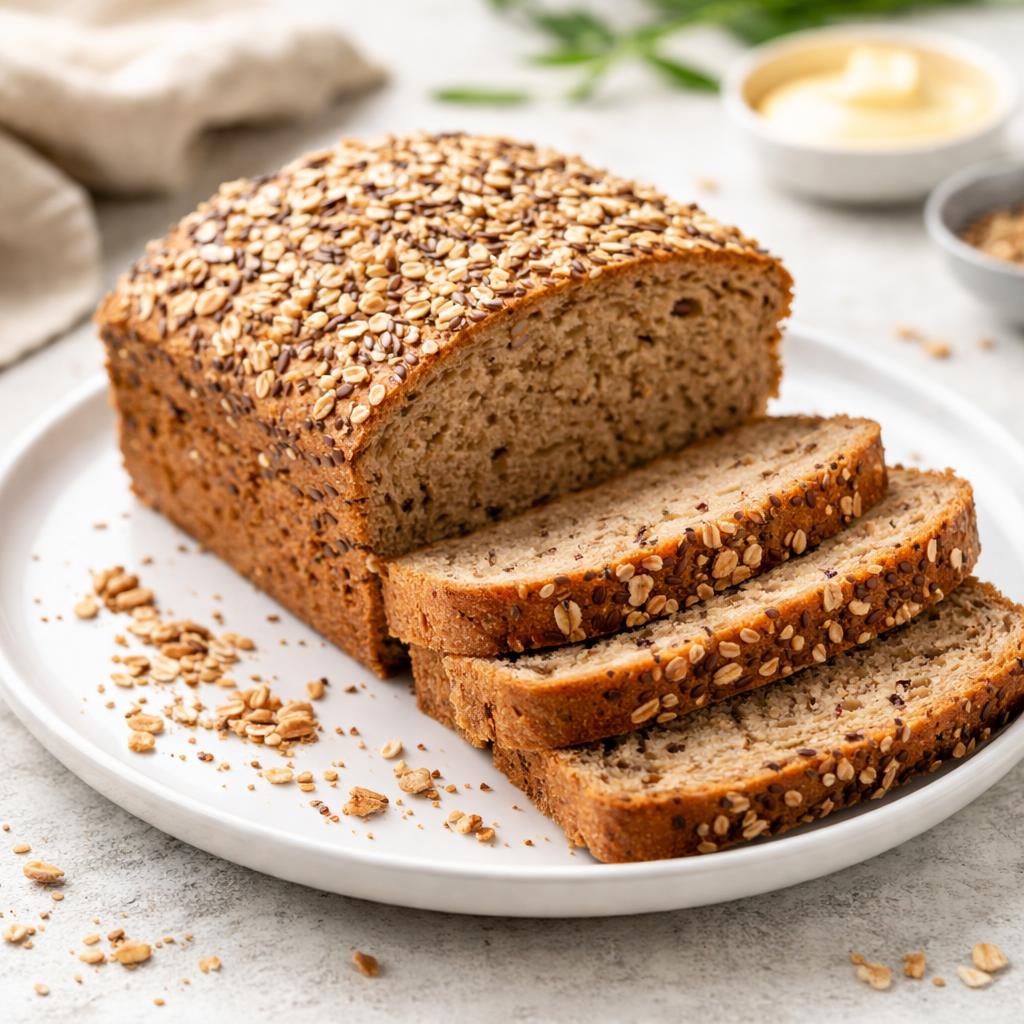
Whole-Grain Bread
🎯 Quick Verdict
Whole wheat bread and whole-grain bread are nutritionally similar, but whole-grain bread generally has slightly more protein and fiber. Whole wheat bread is lower in calories, making it a better option for calorie-conscious diets. Both are excellent choices for healthy eating, depending on your specific needs like fiber intake or weight management goals.

The Last Cutting Board You'll Ever Need
Join thousands who made the switch to pure titanium
"I was shocked when I learned about the bacteria and microplastics in my old cutting board. Switching to Titan Haus was the best decision—I'll never go back!"
📊 Nutritional Comparison
Macronutrients
| Nutrient | Food 1 | Food 2 | Winner |
|---|---|---|---|
| Calories | − | ||
| Protein | − | ||
| Carbs | − | ||
| Fat | − | ||
| Fiber | − |
Vitamins & Minerals
| Nutrient | Food 1 | Food 2 | Winner |
|---|---|---|---|
| Vitamin B6 | − | ||
| Magnesium | − | ||
| Iron | − |
🏆 Category Winners
Protein
Whole-grain bread has 25% more protein per slice.
Fiber
Whole-grain bread provides 50% more fiber than whole wheat bread.
Calories
Whole wheat bread is slightly lower in calories, with 10 fewer calories per slice.
Vitamins
Whole-grain bread contains slightly more vitamin B6, iron, and magnesium.
🥗 Diet Compatibility
Keto
Food 1: Unknown
Food 2: Unknown
Both are high in carbs, making them unsuitable for ketogenic diets.
Vegan
Food 1: Unknown
Food 2: Unknown
Both breads are plant-based and vegan-friendly.
Gluten Free
Food 1: Unknown
Food 2: Unknown
Neither is gluten-free as they both contain wheat and gluten.
Paleo
Food 1: Unknown
Food 2: Unknown
Both contain grains, which are excluded on paleo diets.
Low Carb
Food 1: Unknown
Food 2: Unknown
Each slice contains around 18-19g of carbohydrates, making them too high-carb for low-carb diets.
💪 Health Benefits Comparison
Food 1 Benefits
Food 2 Benefits
✅ The Bottom Line
Both whole wheat and whole-grain breads are excellent choices for healthy meals, with slight nutritional differences. Choose whole wheat bread for lower calorie meals or whole-grain bread for higher protein and fiber intake. Neither are suitable for gluten-free or keto diets.



