Whole Wheat Bread VS Whole Bread
A detailed nutritional comparison
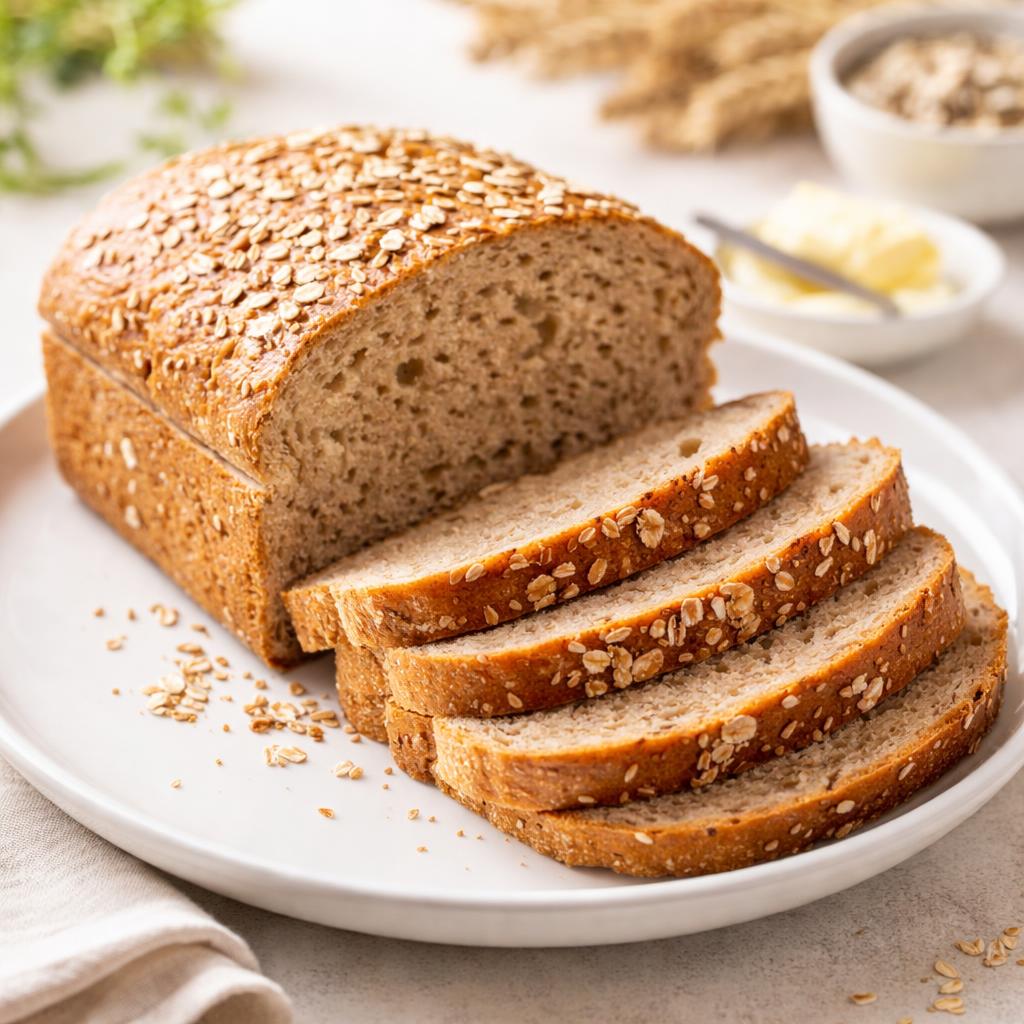
Whole Wheat Bread

Whole Bread
🎯 Quick Verdict
Whole wheat bread is slightly more nutrient-dense, offering more protein and fiber per serving, along with fewer calories compared to whole bread, which generally refers to bread made with whole grains, but not necessarily whole wheat. Both are good for general nutrition, but whole wheat bread is preferable for those focused on weight management or fiber intake while whole bread can be a versatile option for balanced energy throughout the day.

Smart Nutrition Tracking with SnapCalorie

📊 Nutritional Comparison
Macronutrients
| Nutrient | Food 1 | Food 2 | Winner |
|---|---|---|---|
| Calories | 80 per slice | 100 per slice | ✓ |
| Protein | 4g per slice | 3g per slice | ✓ |
| Carbs | 14g per slice | 18g per slice | ✓ |
| Fat | 1g per slice | 2g per slice | ✓ |
| Fiber | 2g per slice | 1g per slice | ✓ |
Vitamins & Minerals
| Nutrient | Food 1 | Food 2 | Winner |
|---|---|---|---|
| Vitamin D | 0mcg | 0mcg | − |
| Calcium | 40mg per slice | 30mg per slice | ✓ |
| Iron | 1mg per slice | 0.7mg per slice | ✓ |
🏆 Category Winners
Protein
Whole wheat bread offers 33% more protein per serving.
Fiber
Whole wheat bread contains double the fiber compared to whole bread.
Calories
Whole wheat bread provides 20% fewer calories per slice.
Vitamins
Whole wheat bread contains slightly higher calcium and iron levels.
🥗 Diet Compatibility
Keto
Food 1: Not Compatible
Food 2: Not Compatible
Both breads are high in carbs, disqualifying them for keto diets.
Vegan
Food 1: Compatible
Food 2: Compatible
Neither bread contains animal products, making them suitable for vegan diets.
Gluten Free
Food 1: Not Compatible
Food 2: Not Compatible
Both are made from wheat and contain gluten.
Paleo
Food 1: Not Compatible
Food 2: Not Compatible
Both breads are grain-based, making them unsuitable for paleo diets.
Low-Carb
Food 1: Not Compatible
Food 2: Not Compatible
Carb content is too high in both breads for low-carb diets.
💪 Health Benefits Comparison
Food 1 Benefits
- Higher fiber content improves digestion and promotes gut health
- Provides sustained energy due to complex carbohydrates
- Rich in protein for muscle maintenance
- Contains more calcium and iron for bone and blood health
Food 2 Benefits
- Easily digestible and provides quick energy
- Contains healthy fats for balanced nutrition
- Lower in fiber, making it a good option for individuals needing gentler choices
- Broad flavor profile makes it versatile in recipes and meals
✅ The Bottom Line
Whole wheat bread is the better option for those looking to increase fiber and protein intake while maintaining lower calorie consumption, making it ideal for weight management or diets focused on satiety. Whole bread may be better for individuals seeking more versatility in food options or those needing more balanced energy.
Choose Food 1 for: Weight maintenance, digestion, high-protein diets
Choose Food 2 for: Versatility in recipes, quick energy boost, balanced nutrition


