Whole Wheat Bread VS Wheat Flour
A detailed nutritional comparison
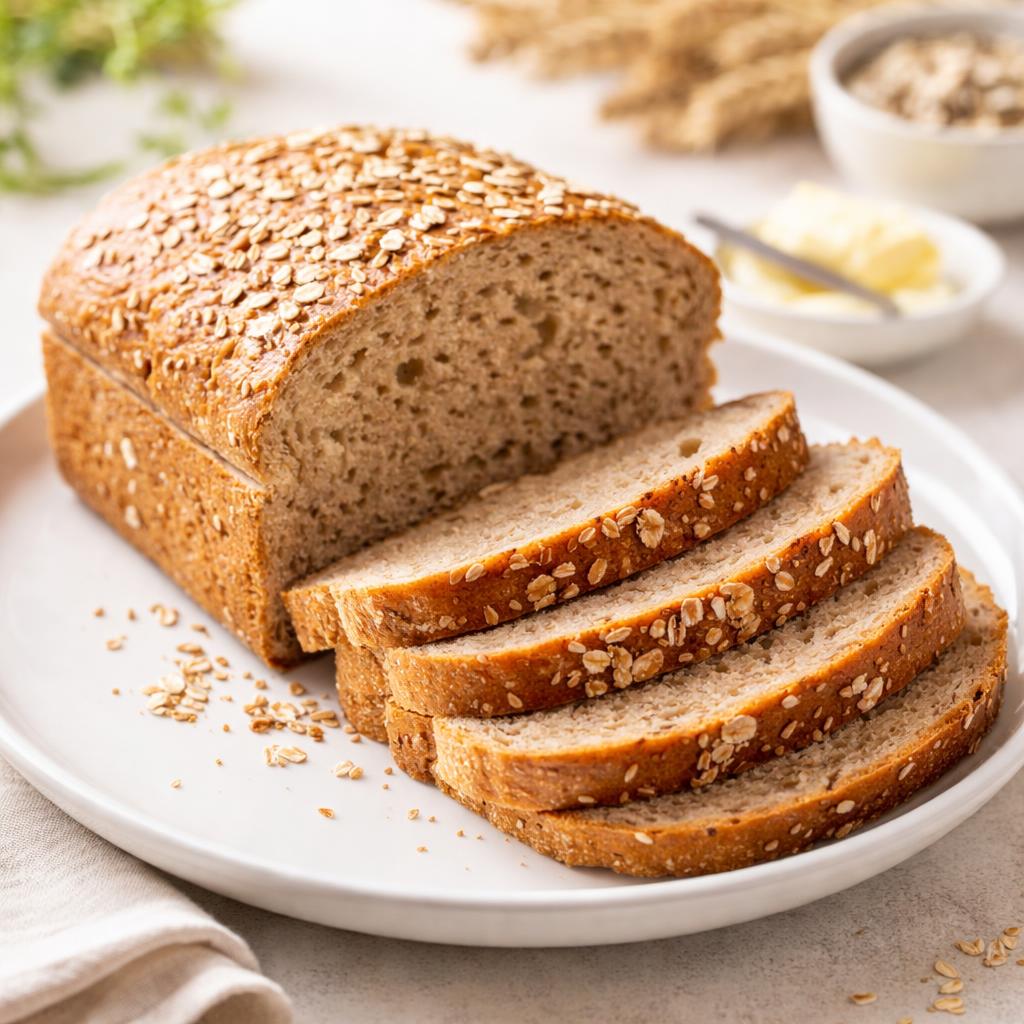
Whole Wheat Bread
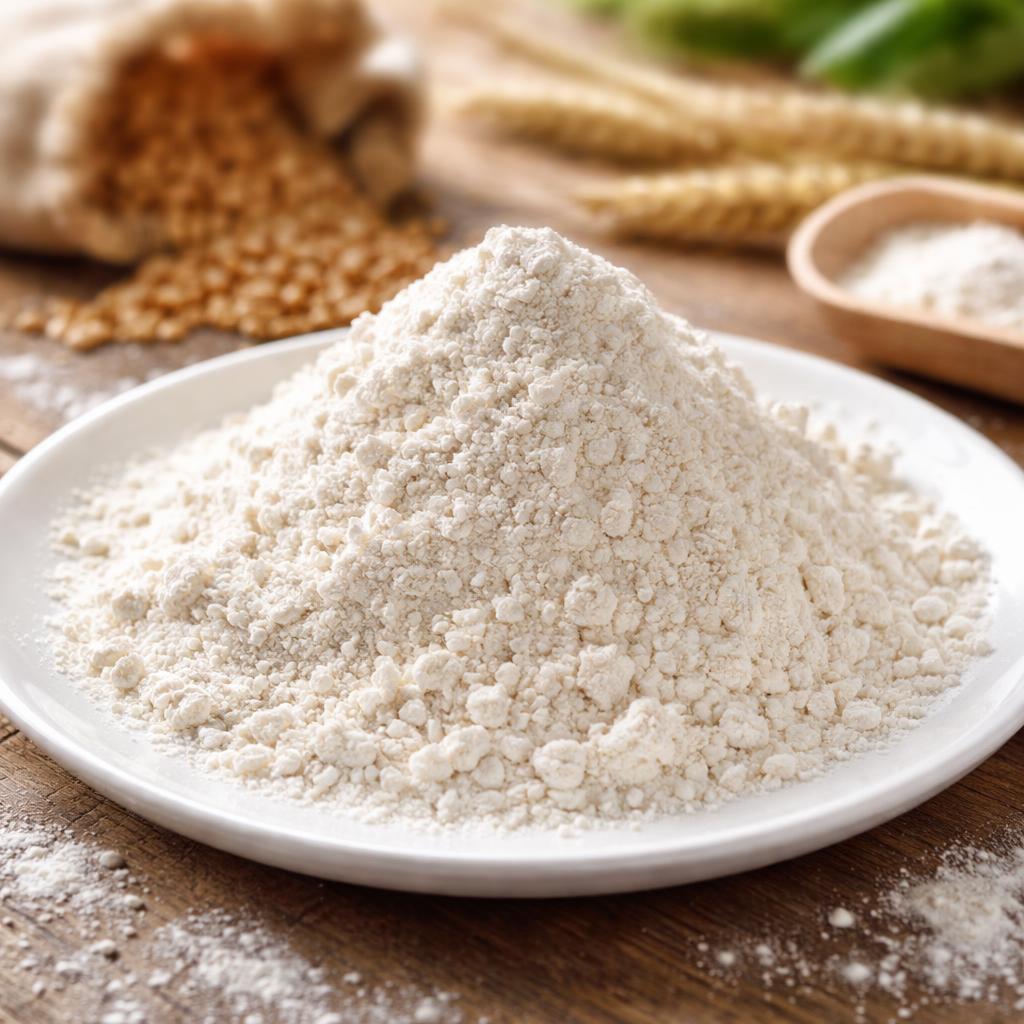
Wheat Flour
🎯 Quick Verdict
Whole wheat bread is nutritionally superior to wheat flour in terms of protein, fiber, and calorie density due to its complex composition and use as a staple food. Wheat flour, while versatile and nutrient-dense, contains fewer fibers and proteins. Whole wheat bread is best suited for sandwiches and nutrient-dense meals, while wheat flour is preferred for baking and recipes requiring flexibility in texture and structure.

Smart Nutrition Tracking with SnapCalorie

📊 Nutritional Comparison
Macronutrients
| Nutrient | Food 1 | Food 2 | Winner |
|---|---|---|---|
| Calories | 80 kcal per slice (40g) | 110 kcal per 30g | ✓ |
| Protein | 4g per slice | 3g per 30g | ✓ |
| Carbs | 15g per slice | 24g per 30g | ✓ |
| Fat | 1g per slice | 0.5g per 30g | ✓ |
| Fiber | 2g per slice | 0.8g per 30g | ✓ |
Vitamins & Minerals
| Nutrient | Food 1 | Food 2 | Winner |
|---|---|---|---|
| Vitamin B6 | 0.03mg per slice | 0.1mg per 30g | ✓ |
| Magnesium | 20mg per slice | 22mg per 30g | ✓ |
| Iron | 0.8mg per slice | 0.6mg per 30g | ✓ |
🏆 Category Winners
Protein
Whole wheat bread has higher protein content per serving (4g vs 3g).
Fiber
Whole wheat bread provides more than double the fiber of wheat flour.
Calories
Whole wheat bread has fewer calories per serving size compared to wheat flour.
Vitamins
Both foods are good sources of vitamins and minerals, with slight differences depending on the nutrient in focus.
🥗 Diet Compatibility
Keto
Food 1: Not Compatible
Food 2: Not Compatible
Both foods are carb-heavy and unsuitable for keto diets.
Vegan
Food 1: Compatible
Food 2: Compatible
Whole wheat bread and wheat flour are both plant-based products.
Gluten Free
Food 1: Not Compatible
Food 2: Not Compatible
Both foods contain gluten as they are wheat-based products.
Paleo
Food 1: Not Compatible
Food 2: Not Compatible
Neither food aligns with the paleo framework due to grain content.
Low-Carb
Food 1: Not Compatible
Food 2: Not Compatible
The carbohydrate content of both foods is too high for low-carb diets.
💪 Health Benefits Comparison
Food 1 Benefits
- Rich in fiber for improved digestion
- Source of plant-based protein for muscle maintenance
- Lower calorie density for weight management
Food 2 Benefits
- Versatile ingredient for cooking and baking
- Provides magnesium and iron for energy production
- Contributes to overall nutrient intake in recipes
✅ The Bottom Line
Whole wheat bread is the better option for nutrient density, offering higher fiber, protein, and fewer calories per serving. However, wheat flour is more versatile in cooking and serves as a base ingredient for baked goods and other recipes. Choose whole wheat bread for convenience and health-focused meals, and opt for wheat flour for baking or preparing diverse dishes.
Choose Food 1 for: Weight management, high-fiber diets, sandwiches, everyday meals
Choose Food 2 for: Baking, cooking versatility, nutrient fortification in recipes


