Whole Wheat Bread VS Toasted Bread
A detailed nutritional comparison
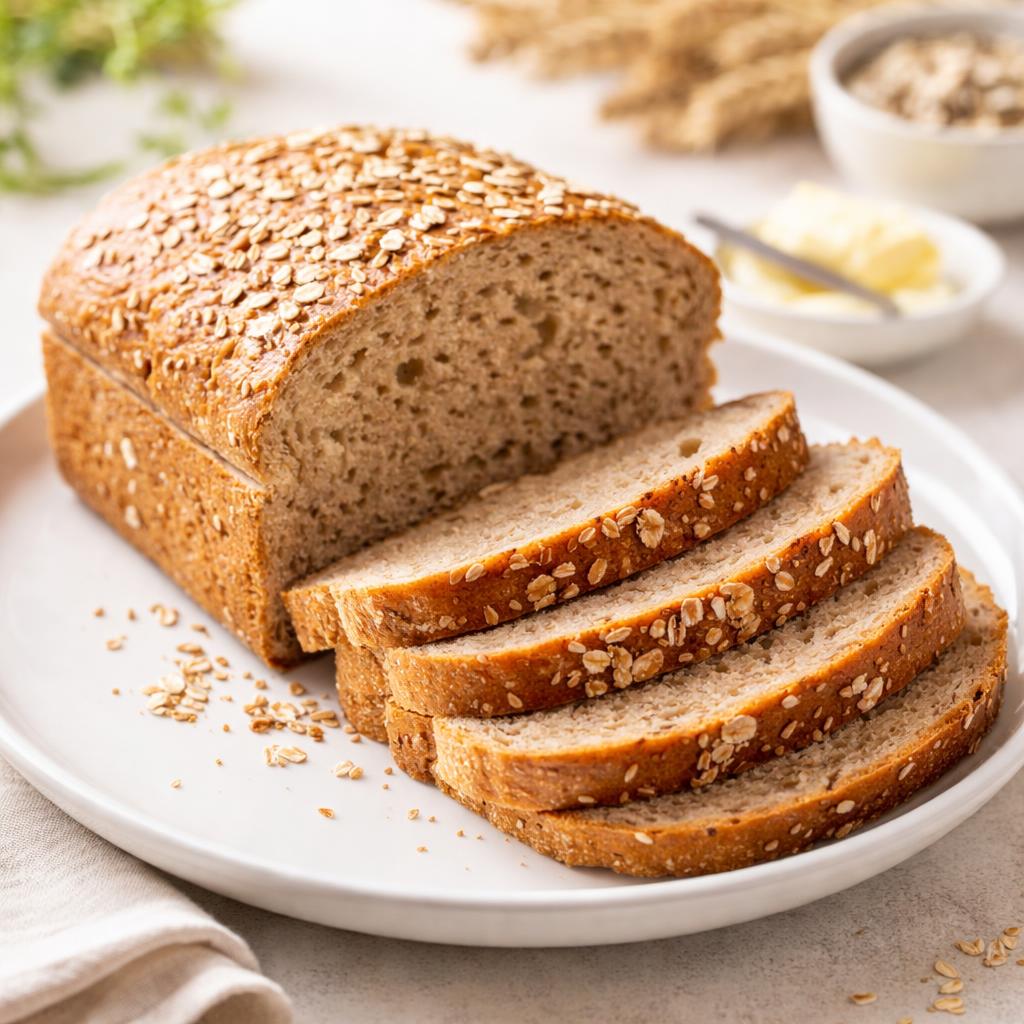
Whole Wheat Bread

Toasted Bread
🎯 Quick Verdict
Whole wheat bread (food1) is nutritionally superior to toasted bread (food2), offering more protein, fiber, and vitamins while being lower in calories. Toasted bread contains slightly fewer carbs than white bread when toasted, but its nutrient profile is slightly diminished due to toasting. Whole wheat bread is ideal for fiber and nutrient-dense diets, while toasted bread suits lighter snacks or quick digestible meals.

Smart Nutrition Tracking with SnapCalorie

📊 Nutritional Comparison
Macronutrients
| Nutrient | Food 1 | Food 2 | Winner |
|---|---|---|---|
| Calories | 80 per slice | 85 per slice | ✓ |
| Protein | 4g | 3g | ✓ |
| Carbs | 15g | 12g | ✓ |
| Fat | 1g | 1g | − |
| Fiber | 3g | 1g | ✓ |
Vitamins & Minerals
| Nutrient | Food 1 | Food 2 | Winner |
|---|---|---|---|
| Vitamin B1 (Thiamin) | 0.1mg | 0.06mg | ✓ |
| Vitamin B3 (Niacin) | 2mg | 1.3mg | ✓ |
| Iron | 0.9mg | 0.4mg | ✓ |
🏆 Category Winners
Protein
Whole wheat bread has 33% more protein per slice.
Fiber
Whole wheat bread contains triple the fiber of toasted bread.
Calories
Whole wheat bread is slightly lower in calories.
Vitamins
Whole wheat bread retains more vitamins, especially B vitamins and iron.
🥗 Diet Compatibility
Keto
Food 1: Not Compatible
Food 2: Not Compatible
Both are too high in carbs for keto diets.
Vegan
Food 1: Compatible
Food 2: Compatible
No animal products are used in the bread.
Gluten Free
Food 1: Not Compatible
Food 2: Not Compatible
Both are made from wheat and contain gluten.
Paleo
Food 1: Not Compatible
Food 2: Not Compatible
Bread is not part of a strict paleo diet.
Low-Carb
Food 1: Not Compatible
Food 2: Compatible
Food2 has slightly fewer carbs, but neither is ideal for low-carb diets.
💪 Health Benefits Comparison
Food 1 Benefits
- High in fiber for digestive health and satiety.
- Contains essential B vitamins for energy production and metabolism.
- Good source of iron, supporting red blood cell function.
Food 2 Benefits
- Light and easy to digest, suitable for sensitive stomachs.
- Low in fat, making it suitable for heart-healthy diets.
- Quick to prepare and complements balanced meals.
✅ The Bottom Line
Whole wheat bread is the better option overall due to its higher fiber, protein, and nutrient content, making it ideal for active lifestyles, weight loss, and balanced meal planning. Toasted bread is lighter and slightly lower in carbs, making it a better choice for quick snacks or lower-calorie meals without compromising digestibility.
Choose Food 1 for: High-fiber diets, weight loss, nutrient-rich meal plans.
Choose Food 2 for: Quick snacks, lighter meals, sensitive digestion.


