Whole Wheat Bread VS Sour Dough Bread
A detailed nutritional comparison
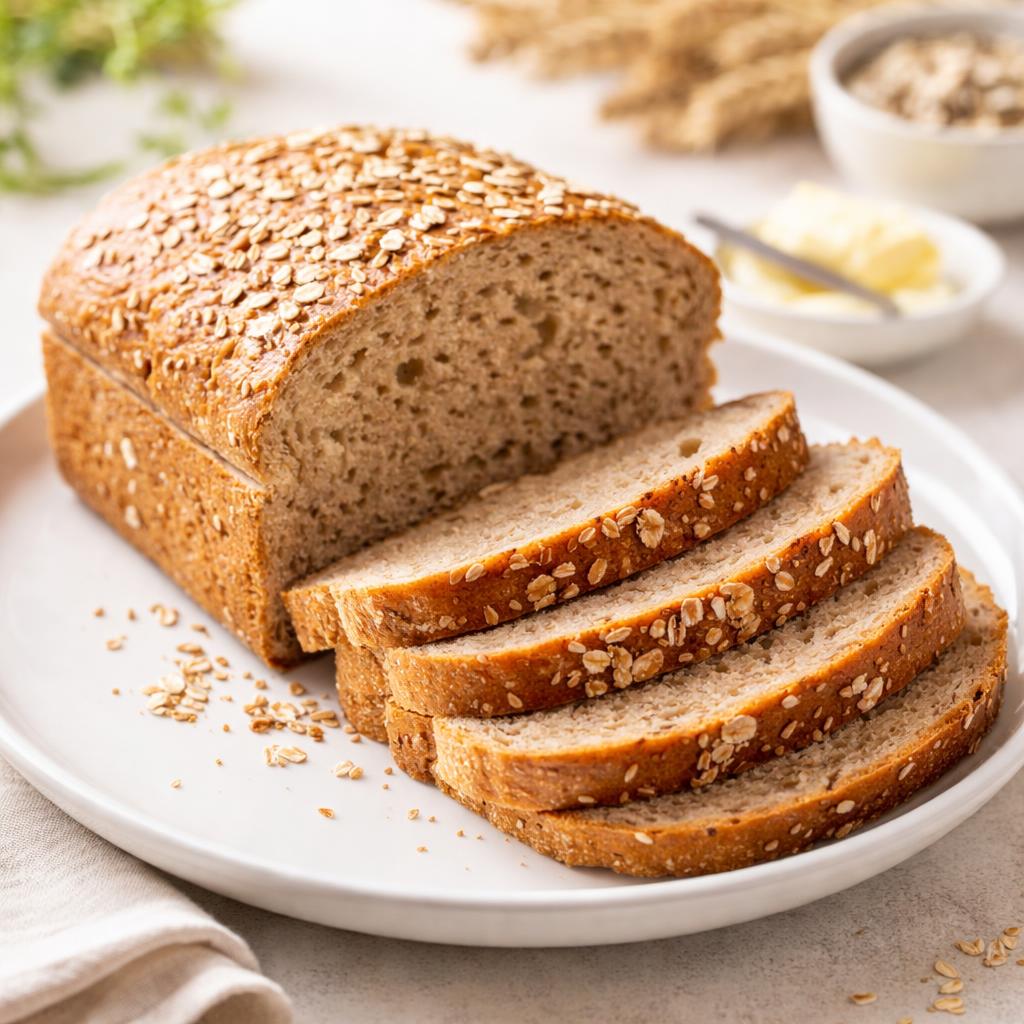
Whole Wheat Bread

Sour Dough Bread
🎯 Quick Verdict
Whole wheat bread is generally more nutrient-dense than sourdough bread, offering higher protein, fiber, and lower calorie content per serving. Sourdough bread, however, provides beneficial probiotics due to its fermentation process, making it better for gut health. Whole wheat bread is ideal for those seeking more nutrients, while sourdough may be more digestible and flavorful for sensitive stomachs or artisan bread lovers.

Smart Nutrition Tracking with SnapCalorie

📊 Nutritional Comparison
Macronutrients
| Nutrient | Food 1 | Food 2 | Winner |
|---|---|---|---|
| Calories | 80 per slice | 100 per slice | ✓ |
| Protein | 4g | 3g | ✓ |
| Carbs | 15g | 18g | ✓ |
| Fat | 0.7g | 0.8g | − |
| Fiber | 2g | 0.8g | ✓ |
Vitamins & Minerals
| Nutrient | Food 1 | Food 2 | Winner |
|---|---|---|---|
| Vitamin D | 0mcg | 0mcg | − |
| Calcium | 30mg | 20mg | ✓ |
| Iron | 0.8mg | 0.5mg | ✓ |
🏆 Category Winners
Protein
Whole wheat bread has 33% more protein per slice compared to sourdough bread.
Fiber
Whole wheat bread delivers 2.5 times more fiber than sourdough bread.
Calories
Whole wheat bread has 20% fewer calories per slice.
Vitamins
Whole wheat bread contains higher levels of calcium and iron for bone health and oxygen transport.
🥗 Diet Compatibility
Keto
Food 1: Not Compatible
Food 2: Not Compatible
Both contain high levels of carbohydrates not suitable for a keto diet.
Vegan
Food 1: Compatible
Food 2: Compatible
Neither bread contains animal products.
Gluten Free
Food 1: Not Compatible
Food 2: Not Compatible
Both bread options are made with gluten-containing wheat flour.
Paleo
Food 1: Not Compatible
Food 2: Not Compatible
Neither bread fits paleo guidelines as wheat is not permitted.
Low-Carb
Food 1: Not Compatible
Food 2: Not Compatible
Both options have relatively high carbohydrate content.
💪 Health Benefits Comparison
Food 1 Benefits
- Rich in dietary fiber for improved digestion and regularity
- Higher protein content supports muscle maintenance
- Contains iron and B vitamins for energy production and red blood cell health
- Lower calorie density can support weight management
Food 2 Benefits
- Probiotics from fermentation process improve gut health and digestion
- Lower glycemic index for slower carbohydrate absorption
- Contains beneficial minerals like selenium and manganese
- May be easier to digest for individuals with mild sensitivities
✅ The Bottom Line
Whole wheat bread is nutritionally superior for those seeking more protein, fiber, and vitamins, making it the better choice for a balanced diet and weight management. Sourdough bread, while lower in nutrients, appeals to those seeking improved digestion via probiotics and a lower glycemic index. Choose whole wheat bread for nutrient density, and sourdough for flavor and gut health.
Choose Food 1 for: High-fiber diets, weight management, balanced nutrition
Choose Food 2 for: Improved digestion, artisan bread lovers, slower carb absorption


