Whole Wheat Bread VS Rice Paper
A detailed nutritional comparison
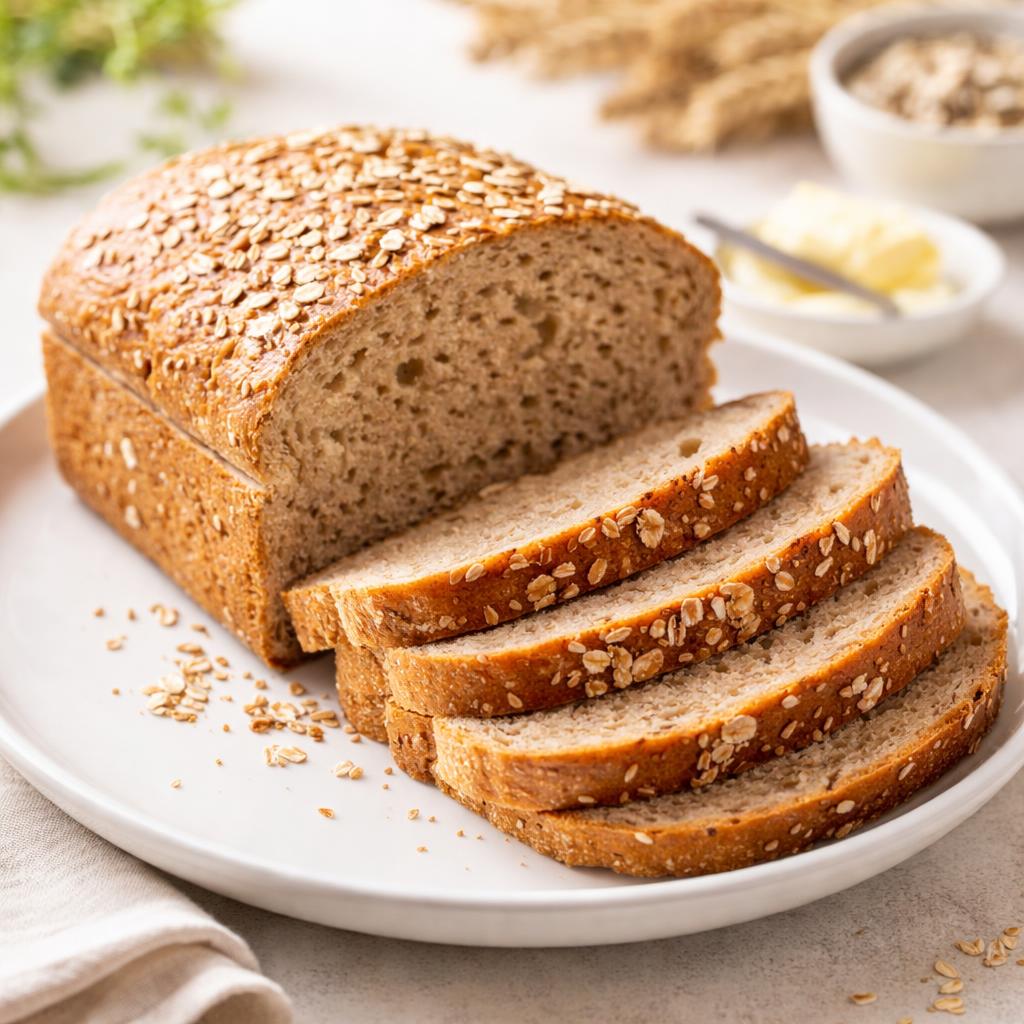
Whole Wheat Bread
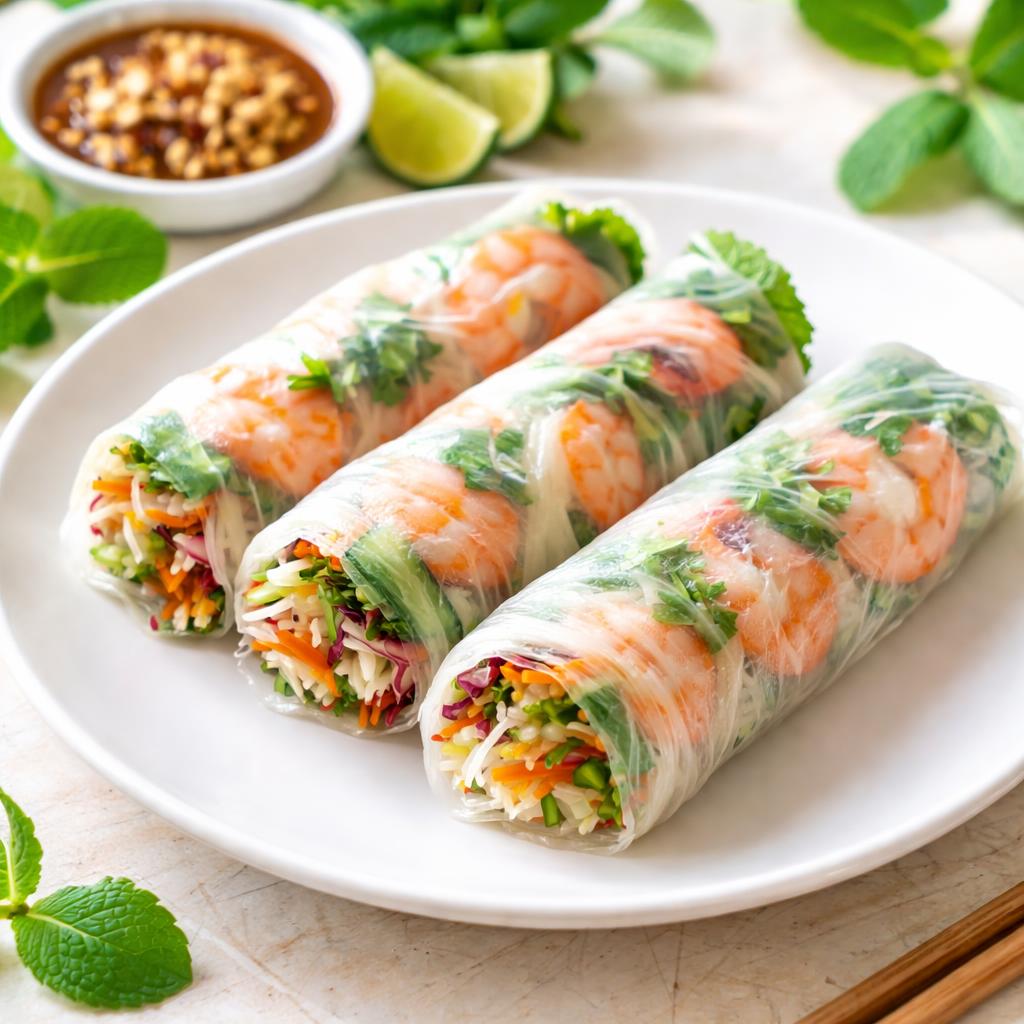
Rice Paper
🎯 Quick Verdict
Whole wheat bread is nutritionally denser, providing significantly more protein, fiber, and vitamins compared to rice paper, which is lower in calories and carbohydrates. Whole wheat bread is ideal for energy and nutrient-dense meals, while rice paper is better for light dishes and calorie control, especially in Asian cuisine like spring rolls.

Smart Nutrition Tracking with SnapCalorie

📊 Nutritional Comparison
Macronutrients
| Nutrient | Food 1 | Food 2 | Winner |
|---|---|---|---|
| Calories | 80 (per slice) | 30 (per sheet) | ✓ |
| Protein | 4g | 0.5g | ✓ |
| Carbs | 14g | 7g | ✓ |
| Fat | 0.5g | 0g | ✓ |
| Fiber | 3g | 0g | ✓ |
Vitamins & Minerals
| Nutrient | Food 1 | Food 2 | Winner |
|---|---|---|---|
| Vitamin B1 (Thiamin) | 0.1mg | 0mg | ✓ |
| Vitamin B3 (Niacin) | 0.8mg | 0mg | ✓ |
| Iron | 0.7mg | 0.1mg | ✓ |
🏆 Category Winners
Protein
Whole wheat bread has 8 times more protein than rice paper per serving.
Fiber
Whole wheat bread contains 3g of fiber per serving compared to zero in rice paper.
Calories
Rice paper is significantly lower in calories (30 per sheet vs 80 per slice).
🥗 Diet Compatibility
Keto
Food 1: Not Compatible
Food 2: Not Compatible
Both are too high in carbohydrates to be keto-friendly.
Vegan
Food 1: Compatible
Food 2: Compatible
Both foods are plant-based and vegan-friendly.
Gluten Free
Food 1: Not Compatible
Food 2: Compatible
Whole wheat bread contains gluten, while rice paper does not.
Paleo
Food 1: Not Compatible
Food 2: Compatible
Rice paper fits paleo guidelines better as it lacks grains, which are avoided in a paleo diet.
Low-Carb
Food 1: Not Compatible
Food 2: Compatible
Rice paper is lower in carbohydrates compared to whole wheat bread.
💪 Health Benefits Comparison
Food 1 Benefits
- Rich in fiber for improved digestion and gut health
- Contains whole grains for sustained energy
- Provides B vitamins for energy metabolism
Food 2 Benefits
- Low in calories for weight management
- Gluten-free, suitable for sensitive diets
- Light and versatile for refreshing meals like spring rolls
✅ The Bottom Line
Choose whole wheat bread if you need a nutrient-dense option with higher protein, fiber, and sustained energy—great for hearty breakfasts or pre-workout meals. Opt for rice paper if your priority is low calories, gluten-free meals, and light dishes like spring rolls, ideal for weight loss and paleo diets.
Choose Food 1 for: Nutritious sandwiches, paired with soups, high-energy meals
Choose Food 2 for: Light appetizers (spring rolls), weight loss, gluten-free and paleo diets


