Whole Wheat Bread VS Olive Bread
A detailed nutritional comparison
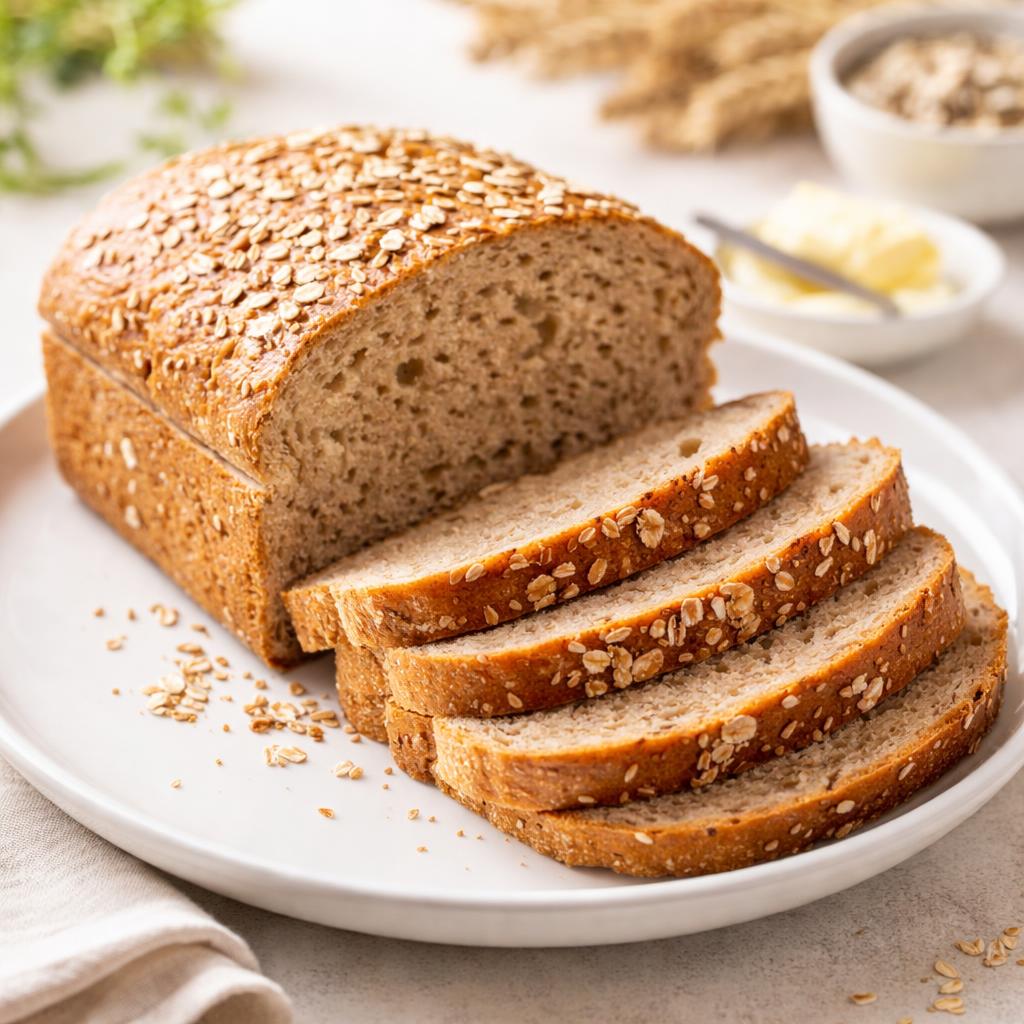
Whole Wheat Bread
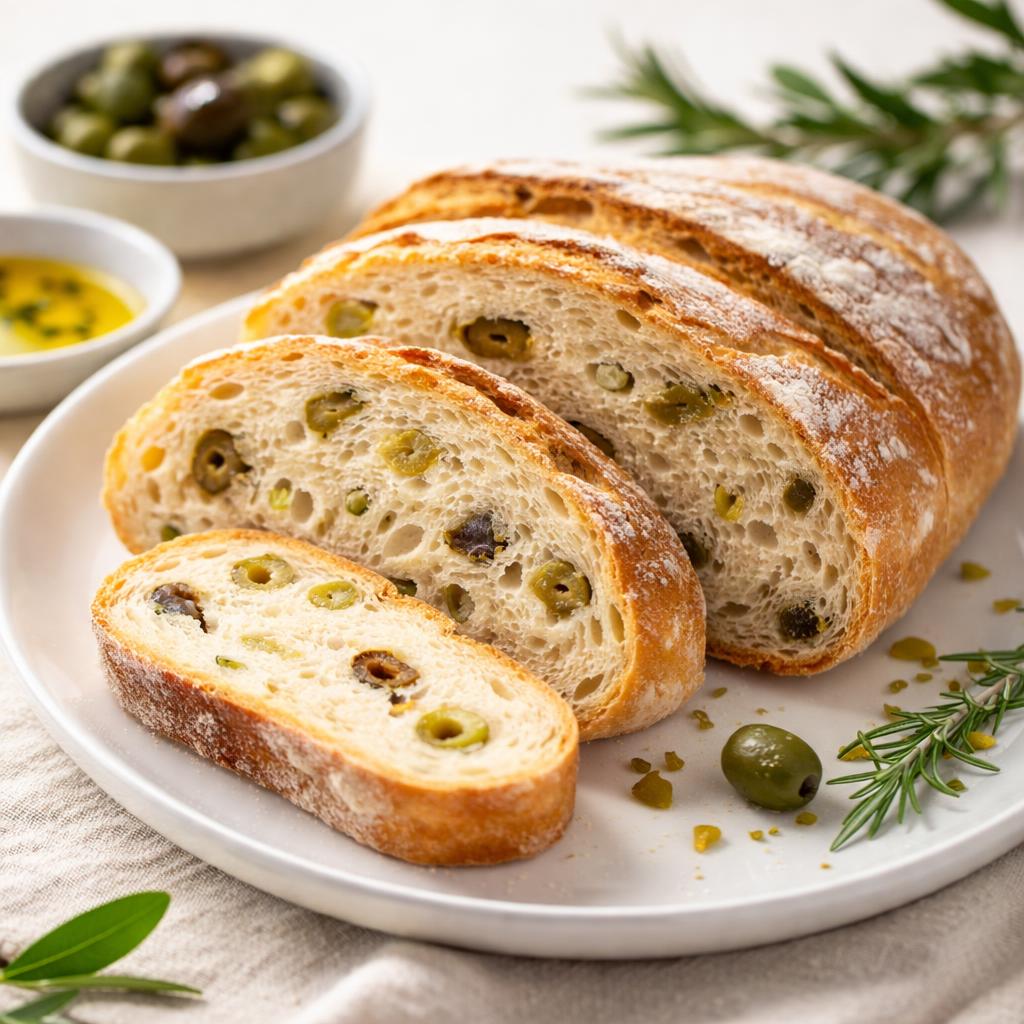
Olive Bread
🎯 Quick Verdict
Whole wheat bread is more nutritionally dense, providing more protein, fiber, and fewer calories per serving, making it a better choice for weight loss and overall health. Olive bread, while higher in fat due to olives, offers heart-healthy fats and a unique flavor—best suited as a moderate indulgence or for those seeking variety in their meals.

Smart Nutrition Tracking with SnapCalorie

📊 Nutritional Comparison
Macronutrients
| Nutrient | Food 1 | Food 2 | Winner |
|---|---|---|---|
| Calories | 80 per slice | 120 per slice | ✓ |
| Protein | 4g | 3g | ✓ |
| Carbs | 15g | 18g | ✓ |
| Fat | 1g | 5g | ✓ |
| Fiber | 3g | 1g | ✓ |
Vitamins & Minerals
| Nutrient | Food 1 | Food 2 | Winner |
|---|---|---|---|
| Vitamin B1 | 0.1mg | 0.05mg | ✓ |
| Iron | 0.7mg | 0.4mg | ✓ |
| Magnesium | 22mg | 10mg | ✓ |
🏆 Category Winners
Protein
Whole wheat bread contains 33% more protein than olive bread per slice.
Fiber
Whole wheat bread has 3 times more fiber per serving, aiding digestion.
Calories
Whole wheat bread is 33% lower in calories, making it a lighter option.
Vitamins
Whole wheat bread provides more essential vitamins and minerals such as iron and magnesium.
🥗 Diet Compatibility
Keto
Food 1: Not Compatible
Food 2: Not Compatible
Both are high-carb and not suitable for keto diets.
Vegan
Food 1: Compatible
Food 2: Compatible
Both breads are plant-based if made without dairy or animal-based additives.
Gluten Free
Food 1: Not Compatible
Food 2: Not Compatible
Both contain gluten from wheat.
Paleo
Food 1: Not Compatible
Food 2: Not Compatible
Neither bread aligns with paleo guidelines as they are processed foods made from grains.
Low Carb
Food 1: Not Compatible
Food 2: Not Compatible
Both breads have over 15g of carbs per slice, making them high-carb.
💪 Health Benefits Comparison
Food 1 Benefits
- High in fiber for better digestion and gut health
- Provides complex carbohydrates for energy
- Contains protein to support muscle maintenance
- Rich in magnesium and iron for bone health and oxygen transport
Food 2 Benefits
- Contains heart-healthy monounsaturated fats from olives
- Provides antioxidants that combat oxidative stress
- Unique flavor and texture for culinary diversity
- Moderate source of carbohydrates and fats for sustained energy
✅ The Bottom Line
Whole wheat bread is generally better for those seeking weight management and balanced nutrition due to its higher protein, fiber, and lower calorie content. Olive bread offers heart-healthy fats and appealing flavor but should be consumed in moderation for those mindful of fat and calorie intake.
Choose Food 1 for: Weight loss, digestion, everyday sandwiches or meals
Choose Food 2 for: Heart health, gourmet meals, occasional indulgence


