Whole Wheat Bread VS Naan Bread
A detailed nutritional comparison
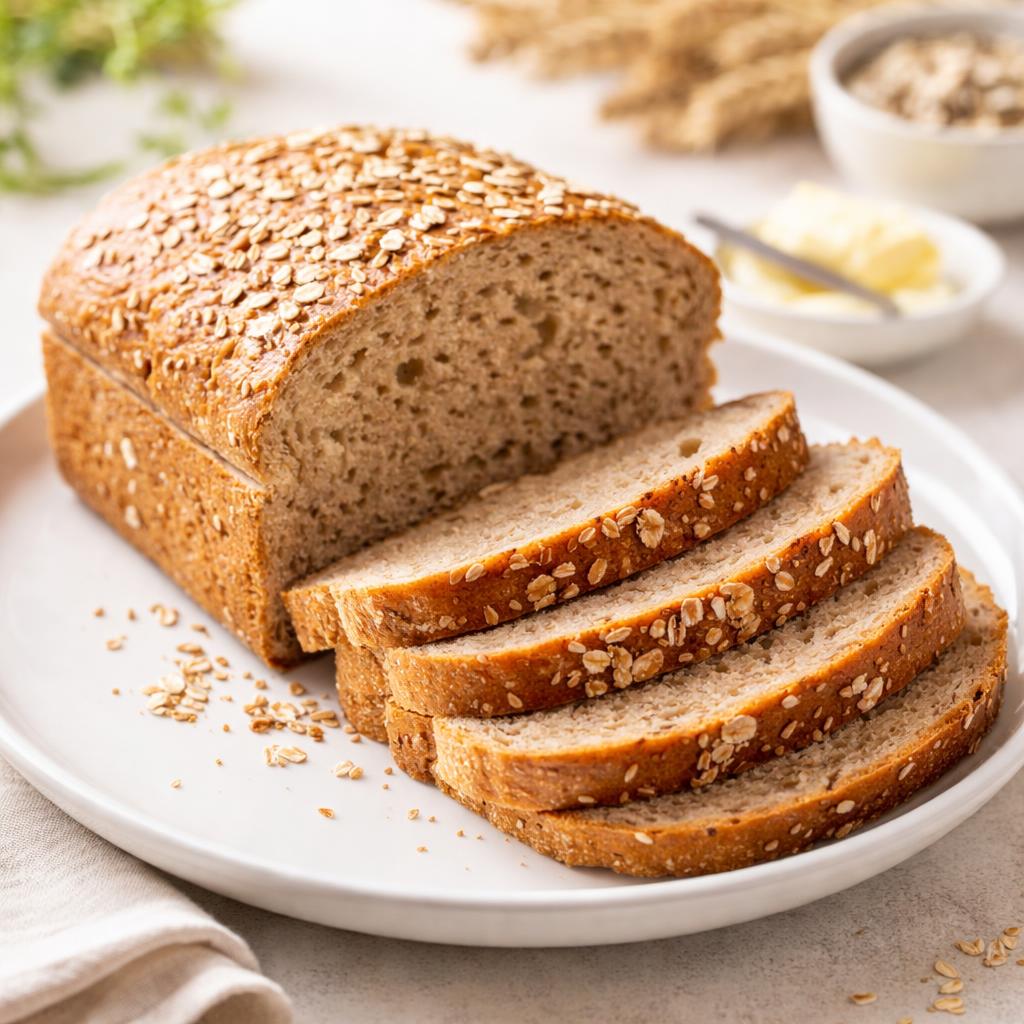
Whole Wheat Bread

Naan Bread
🎯 Quick Verdict
Whole wheat bread is nutritionally superior to naan bread, offering more protein, fiber, and fewer calories per serving. Naan bread, on the other hand, is higher in carbohydrates and fats, making it less suitable for weight management but a better option for indulgent meals. Whole wheat bread is ideal for everyday use, while naan is best reserved for occasional treats or paired with Indian cuisine.

Smart Nutrition Tracking with SnapCalorie

📊 Nutritional Comparison
Macronutrients
| Nutrient | Food 1 | Food 2 | Winner |
|---|---|---|---|
| Calories | 80 per slice (28g) | 140 per piece (50g) | ✓ |
| Protein | 4g | 3g | ✓ |
| Carbs | 15g | 25g | ✓ |
| Fat | 0.5g | 4g | ✓ |
| Fiber | 2g | 0.5g | ✓ |
Vitamins & Minerals
| Nutrient | Food 1 | Food 2 | Winner |
|---|---|---|---|
| Vitamin D | 0mcg | 0mcg | − |
| Calcium | 25mg | 20mg | ✓ |
| Iron | 2mg | 1mg | ✓ |
🏆 Category Winners
Protein
Whole wheat bread has 33% more protein per serving than naan bread.
Fiber
Whole wheat bread contains 4x more fiber, promoting better digestion.
Calories
Whole wheat bread is 43% lower in calories per serving.
Vitamins
Whole wheat bread provides slightly more calcium and iron.
🥗 Diet Compatibility
Keto
Food 1: Not Compatible
Food 2: Not Compatible
Both are high in carbohydrates.
Vegan
Food 1: Compatible
Food 2: Typically Compatible
Whole wheat bread is plant-based; naan bread may be made with dairy depending on recipe.
Gluten Free
Food 1: Not Compatible
Food 2: Not Compatible
Both are made with wheat-based flour.
Paleo
Food 1: Not Compatible
Food 2: Not Compatible
Both contain grains, which are not allowed on paleo diets.
Low-Carb
Food 1: Better
Food 2: Not Compatible
Whole wheat bread has 15g carbs per serving versus naan's higher 25g.
💪 Health Benefits Comparison
Food 1 Benefits
- Rich in fiber for improved digestion and gut health
- Lower in calories, suitable for weight management
- Provides iron for healthy blood oxygenation
- Good balanced carbohydrate source for sustained energy
Food 2 Benefits
- Provides instant carbohydrates for quick energy
- Higher fat content can aid in satiety if consumed in moderation
- Pairs well with nutrient-rich dips or stews (e.g., lentils, curries)
- Traditional recipe may include yogurt, which adds probiotics
✅ The Bottom Line
Whole wheat bread is the healthier option with more protein, fiber, and lower calories, making it ideal for everyday meals, weight loss, and digestion support. Naan bread, while more indulgent, is best suited for occasional consumption or pairing with flavorful Indian dishes. Consider portion size and dietary goals when choosing between them.
Choose Food 1 for: Weight loss, everyday meals, digestion improvement
Choose Food 2 for: Indian cuisine, carb loading, family gatherings


