Whole Wheat Bread VS Multigrain Bread
A detailed nutritional comparison
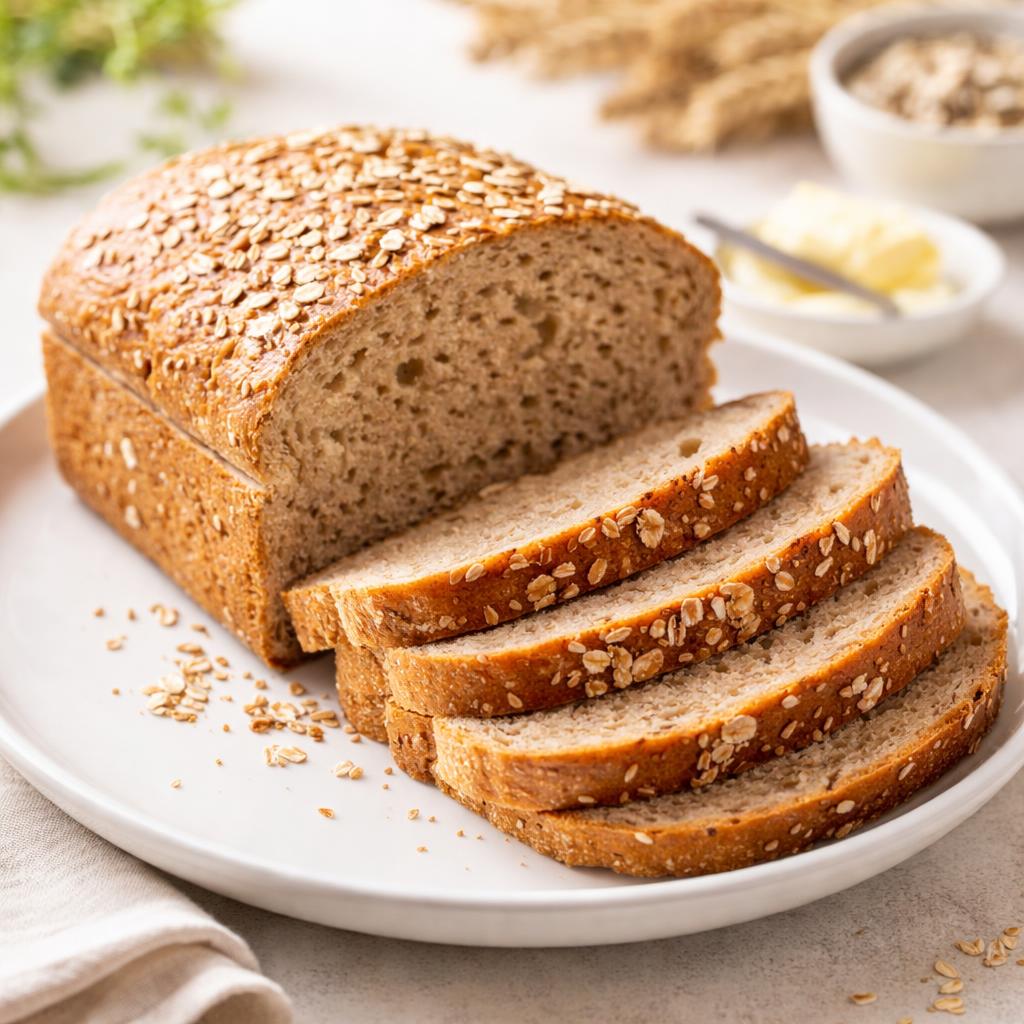
Whole Wheat Bread
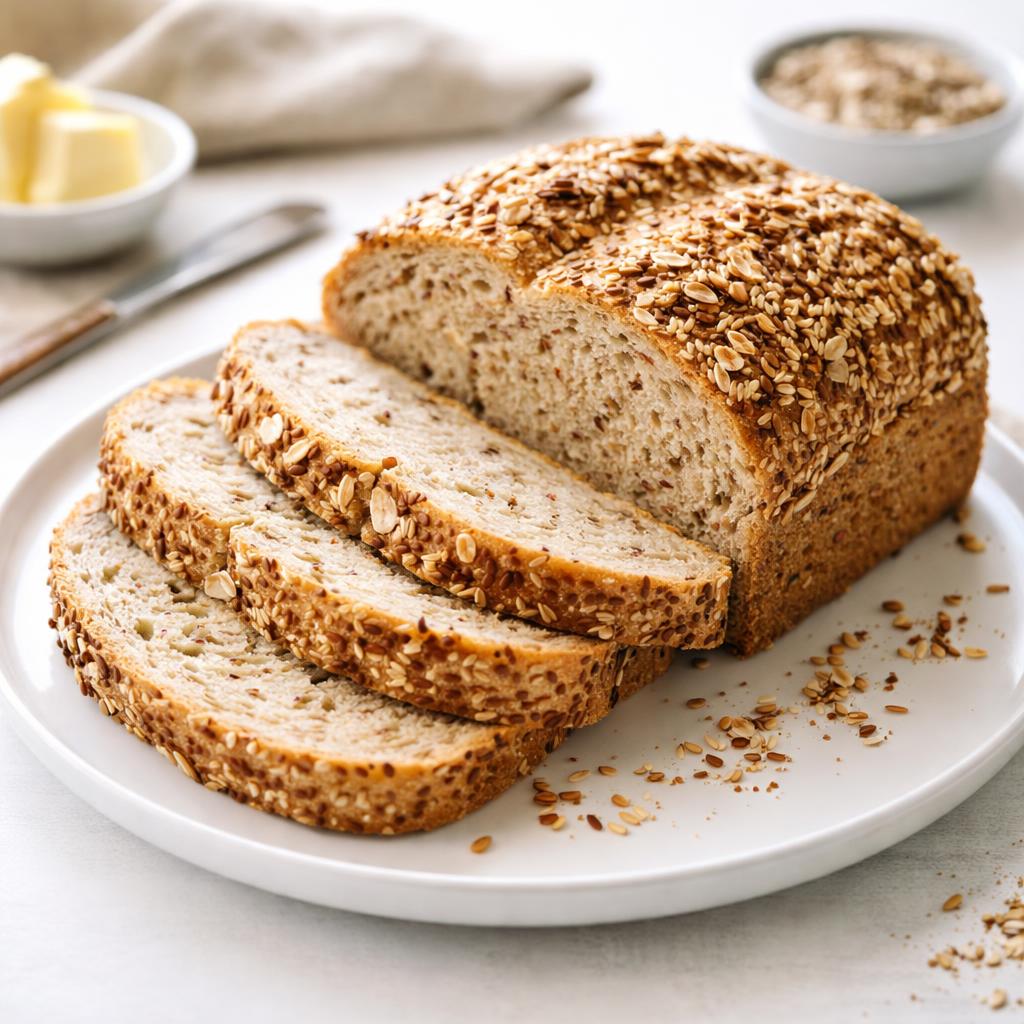
Multigrain Bread
🎯 Quick Verdict
Multigrain bread generally offers more protein, fiber, and additional nutrients from diverse grains compared to whole wheat bread. Whole wheat bread, however, has familiar taste and is great for basic fiber needs. Multigrain bread is better suited for nutrient density and variety in diet plans.

Smart Nutrition Tracking with SnapCalorie

📊 Nutritional Comparison
Macronutrients
| Nutrient | Food 1 | Food 2 | Winner |
|---|---|---|---|
| Calories | 80 per slice | 75 per slice | − |
| Protein | 4g per slice | 5g per slice | − |
| Carbs | 15g per slice | 14g per slice | − |
| Fat | 1g per slice | 1.5g per slice | − |
| Fiber | 2g per slice | 3g per slice | − |
Vitamins & Minerals
| Nutrient | Food 1 | Food 2 | Winner |
|---|---|---|---|
| Vitamin D | 0mcg | 0mcg | − |
| Calcium | 25mg | 30mg | − |
| Iron | 0.7mg | 1.2mg | − |
🏆 Category Winners
Protein
Multigrain bread contains 25% more protein per slice.
Fiber
Multigrain bread provides 50% more fiber per slice.
Calories
Both breads have similar calorie content per serving.
Vitamins
Multigrain bread is richer in iron and calcium due to varied grain sources.
🥗 Diet Compatibility
Keto
Food 1: Not Compatible
Food 2: Not Compatible
Both breads are high in carbs.
Vegan
Food 1: Compatible
Food 2: Compatible
Both are plant-based and do not contain animal products.
Gluten Free
Food 1: Not Compatible
Food 2: Not Compatible
Both breads contain gluten.
Paleo
Food 1: Not Compatible
Food 2: Not Compatible
Grains are not allowed on a strict paleo diet.
Low-Carb
Food 1: Not Compatible
Food 2: Not Compatible
Each slice contains more than 10g of carbs.
💪 Health Benefits Comparison
Food 1 Benefits
- Good source of whole grains for heart health
- Provides fiber for digestion
- Low in fat, making it a lighter bread option
Food 2 Benefits
- Higher protein content supports muscle maintenance
- Rich in fiber for better digestion and satiety
- Contains diverse grains, offering varied nutrients and minerals
✅ The Bottom Line
Choose multigrain bread for higher nutritional density and more protein and fiber, particularly if you value diverse grain benefits. Opt for whole wheat bread if you prefer a simpler bread with a classic flavor and basic dietary fiber needs.
Choose Food 1 for: Basic fiber and whole grain needs, everyday sandwiches
Choose Food 2 for: Nutrient density, satiety, and high-protein diets


