Whole Wheat Bread VS Macaroni Pasta
A detailed nutritional comparison
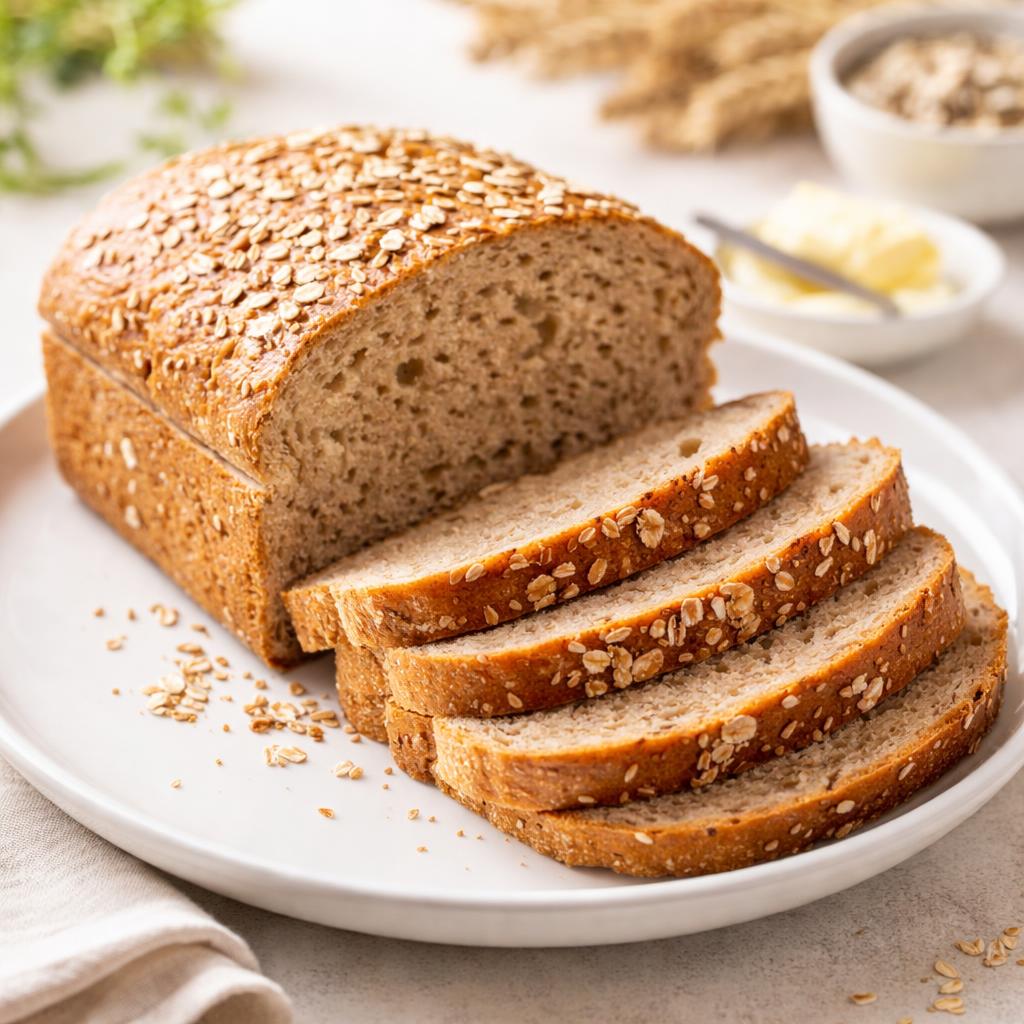
Whole Wheat Bread
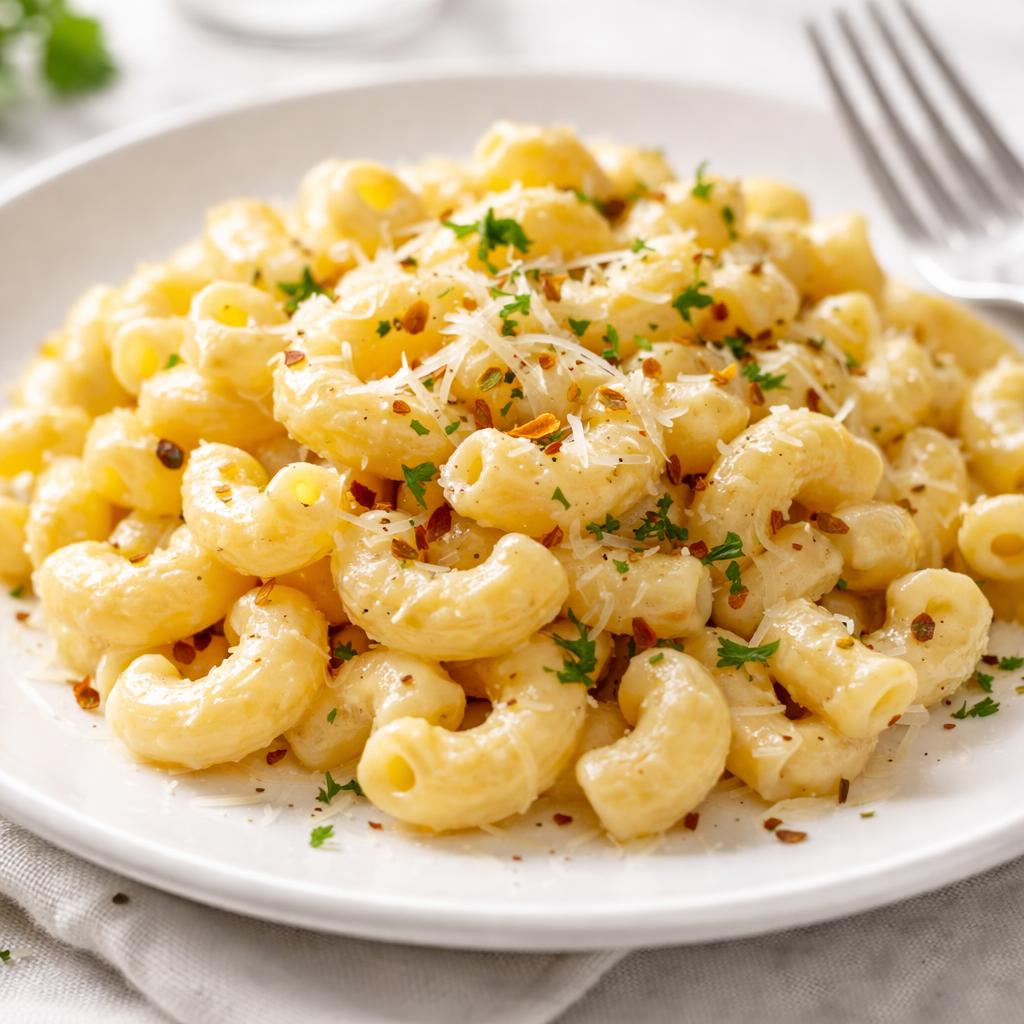
Macaroni Pasta
🎯 Quick Verdict
Whole wheat bread outperforms macaroni pasta in protein, fiber, and calories, making it a more nutrient-dense choice for balanced diets. Macaroni pasta is higher in carbs but can be great for energy needs, particularly during physical activity. The bread is suitable for weight management, while the pasta is ideal for fueling workouts or high-energy activities.

Smart Nutrition Tracking with SnapCalorie

📊 Nutritional Comparison
Macronutrients
| Nutrient | Food 1 | Food 2 | Winner |
|---|---|---|---|
| Calories | 80 per slice (40g) | 220 per cup (57g) | ✓ |
| Protein | 4g | 8g | ✓ |
| Carbohydrates | 16g | 43g | ✓ |
| Fat | 0.8g | 1.3g | ✓ |
| Fiber | 2g | 1g | ✓ |
Vitamins & Minerals
| Nutrient | Food 1 | Food 2 | Winner |
|---|---|---|---|
| Vitamin B6 | 0.04mg | 0.01mg | ✓ |
| Thiamin (Vitamin B1) | 0.1mg | 0.4mg | ✓ |
| Iron | 0.9mg | 0.5mg | ✓ |
🏆 Category Winners
Protein
Macaroni pasta has double the protein compared to whole wheat bread.
Fiber
Whole wheat bread contains twice as much fiber per serving.
Calories
Whole wheat bread has significantly fewer calories per serving.
🥗 Diet Compatibility
Keto
Food 1: Not Compatible
Food 2: Not Compatible
Both foods are high in carbohydrates and not suitable for ketogenic diets.
Vegan
Food 1: Compatible
Food 2: Compatible
Both foods are plant-based and free of animal products.
Gluten Free
Food 1: Not Compatible
Food 2: Not Compatible
Both foods contain gluten.
Paleo
Food 1: Not Compatible
Food 2: Not Compatible
Grains are excluded from paleo diets.
Low-Carb
Food 1: Partially Compatible
Food 2: Not Compatible
Whole wheat bread is relatively lower in carbs than macaroni pasta but still not considered low-carb.
💪 Health Benefits Comparison
Food 1 Benefits
- High in fiber for digestive health
- Lower in calories, supporting weight management
- Contains B vitamins that help energy metabolism
Food 2 Benefits
- Provides sustained energy due to high carbohydrate content
- Rich in thiamin (Vitamin B1), supporting brain function
- Low in fat, making it suitable for heart health
✅ The Bottom Line
Whole wheat bread is a more nutrient-dense choice if you're aiming for weight management and improved digestion due to its higher fiber content and fewer calories. Meanwhile, macaroni pasta is better for individuals needing quick energy for physical activities due to its higher carb content.
Choose Food 1 for: Weight management, balanced meals, slower energy release
Choose Food 2 for: Pre-workout meals, high-energy activities, carb-loading


