Whole Wheat Bread VS Lebanese Bread
A detailed nutritional comparison
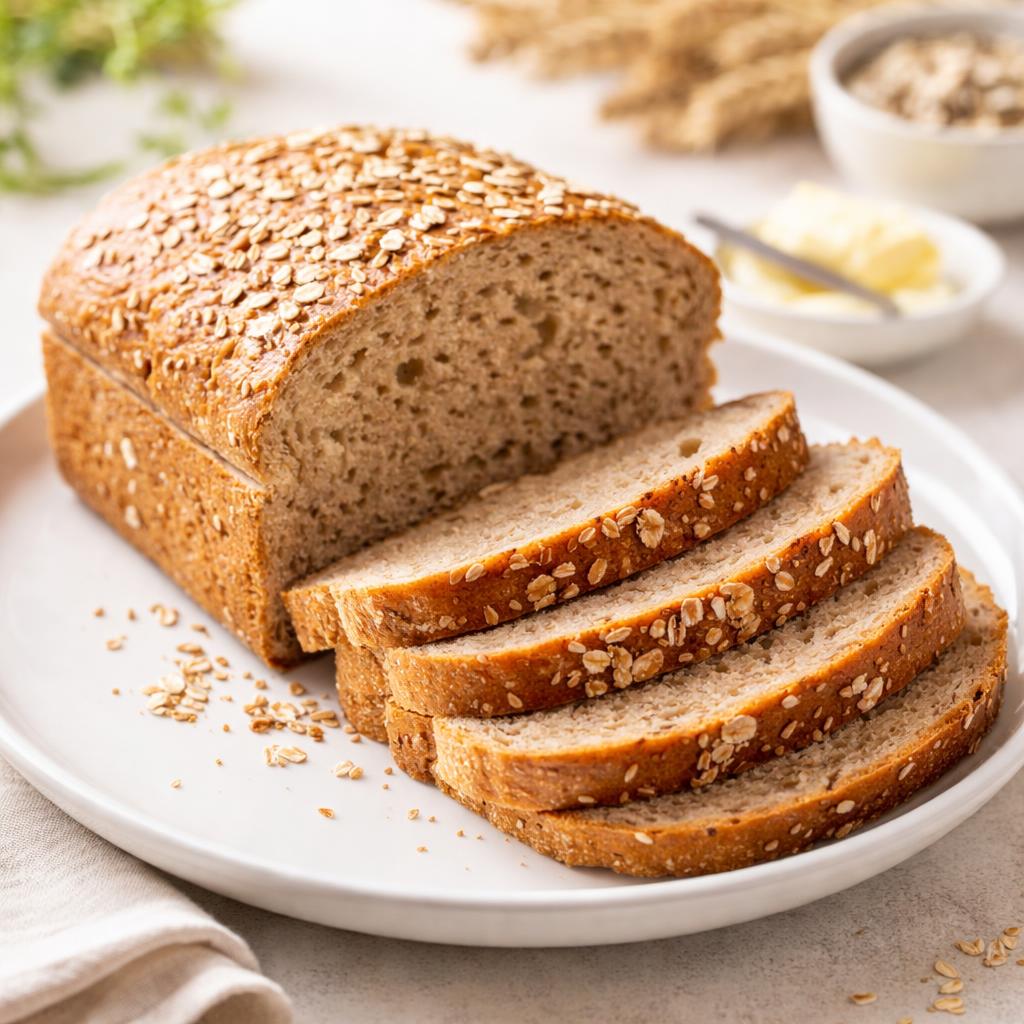
Whole Wheat Bread

Lebanese Bread
🎯 Quick Verdict
Whole wheat bread offers a better nutrient profile compared to Lebanese bread, particularly in terms of fiber and protein content. Lebanese bread, on the other hand, is lower in fat and may pair well with heart-healthy diets. Both breads are versatile, with whole wheat bread being ideal for those seeking higher protein and fiber, while Lebanese bread suits lighter options or lower-fat needs.

Smart Nutrition Tracking with SnapCalorie

📊 Nutritional Comparison
Macronutrients
| Nutrient | Food 1 | Food 2 | Winner |
|---|---|---|---|
| Calories | 120 | 120 | − |
| Protein | 5g | 3g | ✓ |
| Carbs | 20g | 25g | ✓ |
| Fat | 1g | 0.5g | ✓ |
| Fiber | 3g | 1g | ✓ |
Vitamins & Minerals
| Nutrient | Food 1 | Food 2 | Winner |
|---|---|---|---|
| Vitamin B6 | 0.1mg | 0.03mg | ✓ |
| Iron | 1mg | 0.6mg | ✓ |
| Calcium | 25mg | 20mg | ✓ |
🏆 Category Winners
Protein
Whole wheat bread contains 67% more protein than Lebanese bread, promoting satiety and muscle health.
Fiber
Whole wheat bread has three times the fiber of Lebanese bread, assisting digestion and gut health.
Calories
Both have 120 calories per serving, making them equal in calorie density.
Vitamins
Whole wheat bread offers slightly higher levels of essential vitamins and minerals like iron and calcium.
🥗 Diet Compatibility
Keto
Food 1: Not Compatible
Food 2: Not Compatible
Both are high in carbohydrates.
Vegan
Food 1: Compatible
Food 2: Compatible
Both breads are plant-based and free of animal products.
Gluten Free
Food 1: Not Compatible
Food 2: Not Compatible
Both contain gluten as they are made from wheat flour.
Paleo
Food 1: Not Compatible
Food 2: Not Compatible
Wheat-based products are excluded from paleo diets.
Low-Carb
Food 1: Not Compatible
Food 2: Not Compatible
Both breads are high in carbohydrates relative to low-carb requirements.
💪 Health Benefits Comparison
Food 1 Benefits
- High in dietary fiber for better digestion and fullness
- Good source of iron for boosting energy and preventing fatigue
- Provides protein essential for maintaining muscle mass
- Contains B vitamins to aid in energy metabolism
Food 2 Benefits
- Low in fat, beneficial for heart health
- Offers moderate levels of carbohydrates for sustained energy
- Light and versatile for pairing with nutrient-rich dips or spreads
- Contains trace minerals for overall health
✅ The Bottom Line
Whole wheat bread is nutritionally superior for individuals seeking higher protein, fiber, and a nutrient-dense addition to their meals. Lebanese bread is a lighter alternative, good for low-fat diets or as a base for dishes like wraps and dips.
Choose Food 1 for: Balanced diets, weight management, digestion support
Choose Food 2 for: Lighter meals, heart health, versatile wraps and snacks


