Whole Wheat Bread VS Homemade Bread
A detailed nutritional comparison
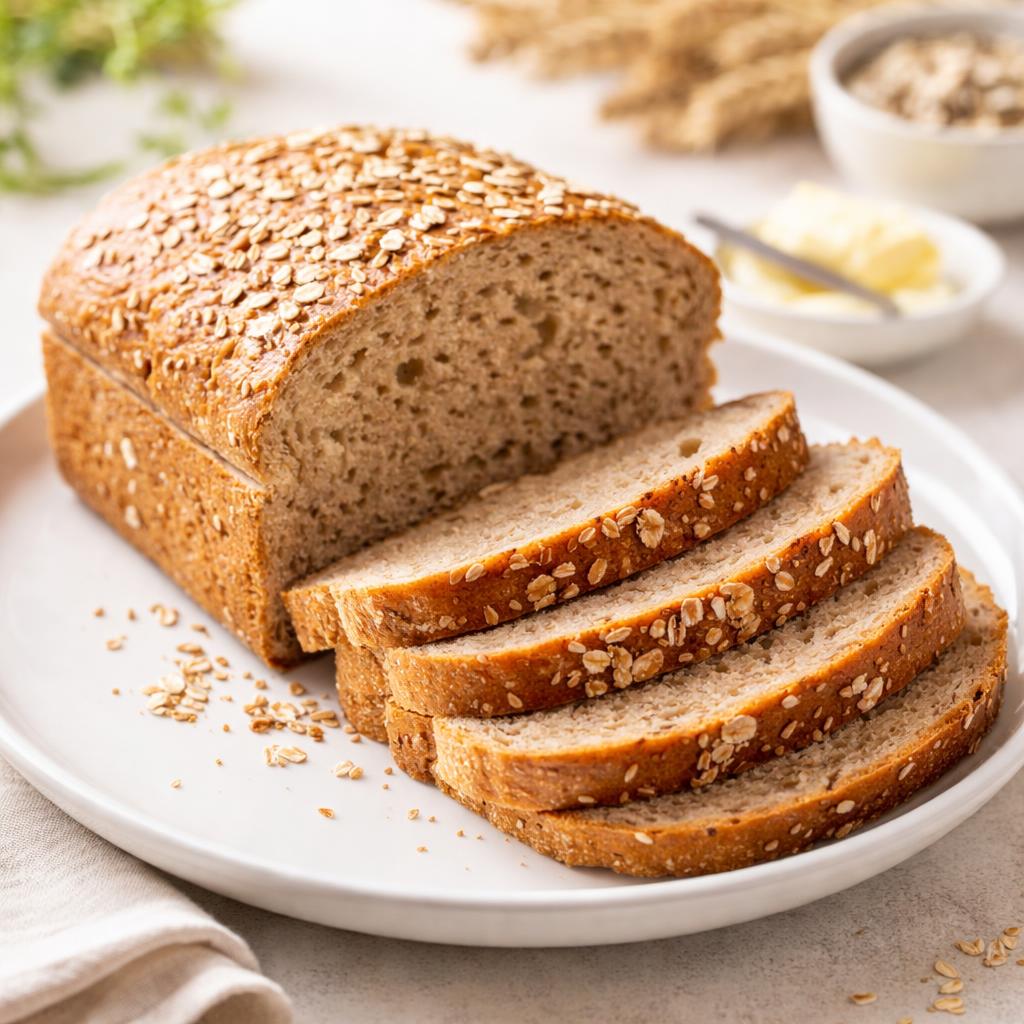
Whole Wheat Bread
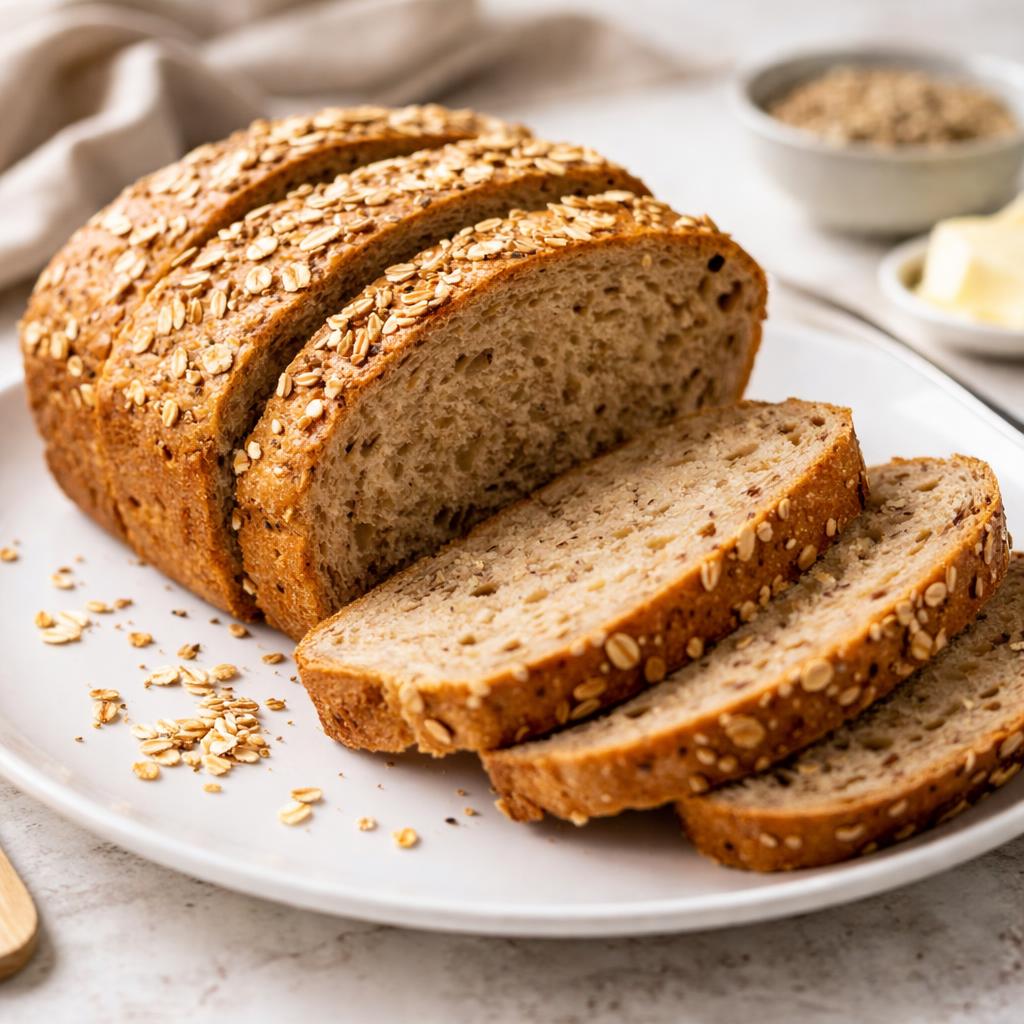
Homemade Bread
🎯 Quick Verdict
Whole wheat bread generally provides more protein, fiber, and fewer calories compared to homemade bread, depending on the recipe. Homemade bread may include richer flavor and customized ingredients but could lack the nutritional density of whole wheat bread. Whole wheat bread is ideal for its nutrient profile, while homemade bread is better for personalized diets or avoiding additives.

Smart Nutrition Tracking with SnapCalorie

📊 Nutritional Comparison
Macronutrients
| Nutrient | Food 1 | Food 2 | Winner |
|---|---|---|---|
| Calories | 80 | 120 | ✓ |
| Protein | 4g | 3g | ✓ |
| Carbs | 15g | 20g | ✓ |
| Fat | 1g | 3g | ✓ |
| Fiber | 2g | 0.5g | ✓ |
Vitamins & Minerals
| Nutrient | Food 1 | Food 2 | Winner |
|---|---|---|---|
| Vitamin B6 | 0.10mg | 0.05mg | ✓ |
| Vitamin B12 | 0mcg | 0mcg | − |
| Calcium | 52mg | 30mg | ✓ |
| Iron | 1mg | 0.5mg | ✓ |
🏆 Category Winners
Protein
Whole wheat bread provides 33% more protein per serving.
Fiber
Whole wheat bread has 400% more fiber per serving.
Calories
Whole wheat bread contains roughly 33% fewer calories per serving.
Vitamins
Whole wheat bread contains higher levels of calcium, iron, and B-vitamins per serving.
🥗 Diet Compatibility
Keto
Food 1: Not Compatible
Food 2: Not Compatible
Both are too high in carbs for keto diets.
Vegan
Food 1: Compatible
Food 2: Depends on ingredients (e.g., eggs, dairy)
Whole wheat bread is vegan-friendly, while homemade bread may vary.
Gluten Free
Food 1: Not Compatible
Food 2: Depends on recipe
Both typically contain gluten unless using gluten-free flour.
Paleo
Food 1: Not Compatible
Food 2: Not Compatible
Both are grain-based and excluded in paleo diets.
Low-Carb
Food 1: Not Compatible
Food 2: Not Compatible
Both exceed low-carb thresholds with 15-20g carbs per serving.
💪 Health Benefits Comparison
Food 1 Benefits
- Rich in fiber to support digestion and regularity
- Good source of plant-based protein for muscle health
- Provides essential B-vitamins for energy metabolism
- Contains iron, supporting red blood cell production
Food 2 Benefits
- Customizable ingredients for dietary preferences
- Freshly made with no additives or preservatives
- Possible greater nutrient density if whole grain flour is used
- Can be tailored to avoid allergens or specific dietary concerns
✅ The Bottom Line
Whole wheat bread is superior in terms of nutritional value, providing more protein, fiber, and essential vitamins with fewer calories. Choose homemade bread for flexibility with ingredients, avoiding food additives, or customizing to suit dietary needs. Use whole wheat bread for everyday nutrition and post-workout recovery, while homemade bread is best for personalized meals or family gatherings.
Choose Food 1 for: General health, weight management, high-fiber diets
Choose Food 2 for: Custom recipes, allergen-sensitive diets, fresh flavor


