Whole Wheat Bread VS Cooked Oats
A detailed nutritional comparison
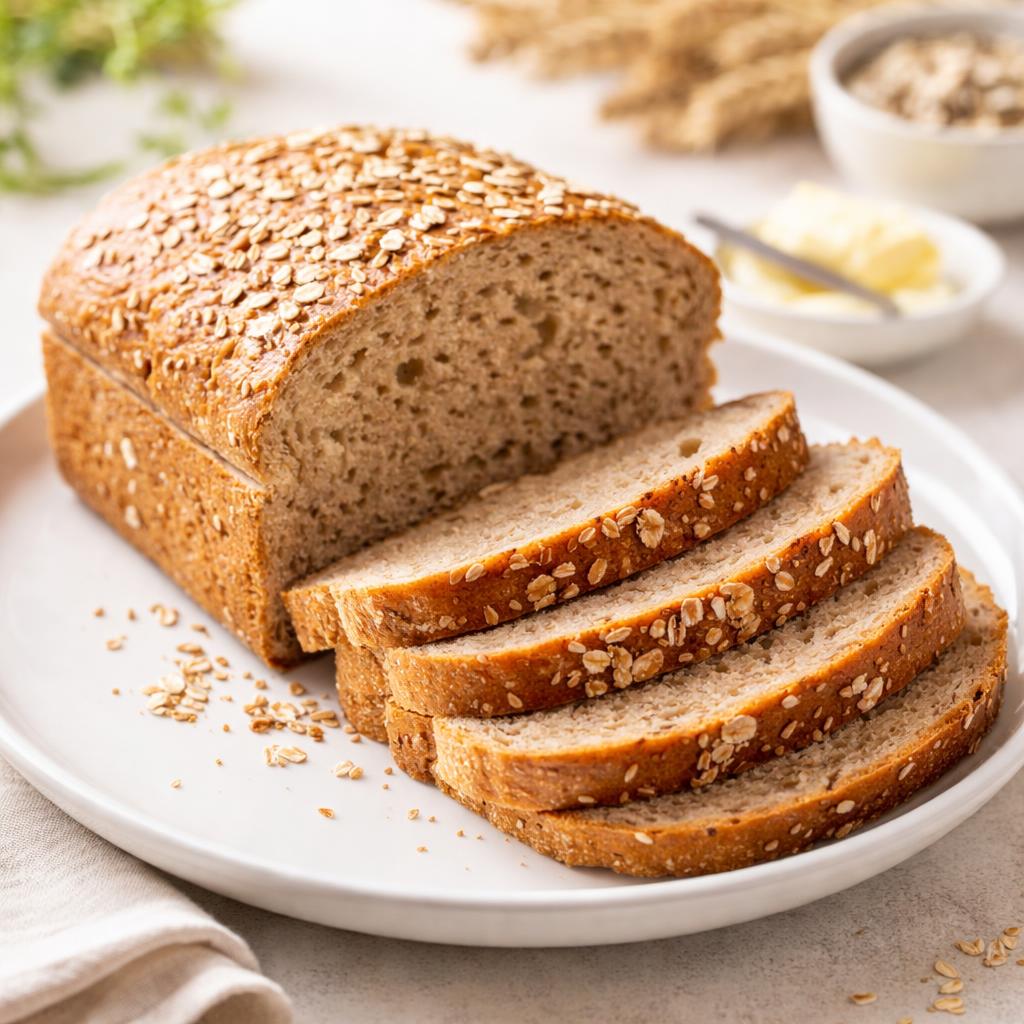
Whole Wheat Bread
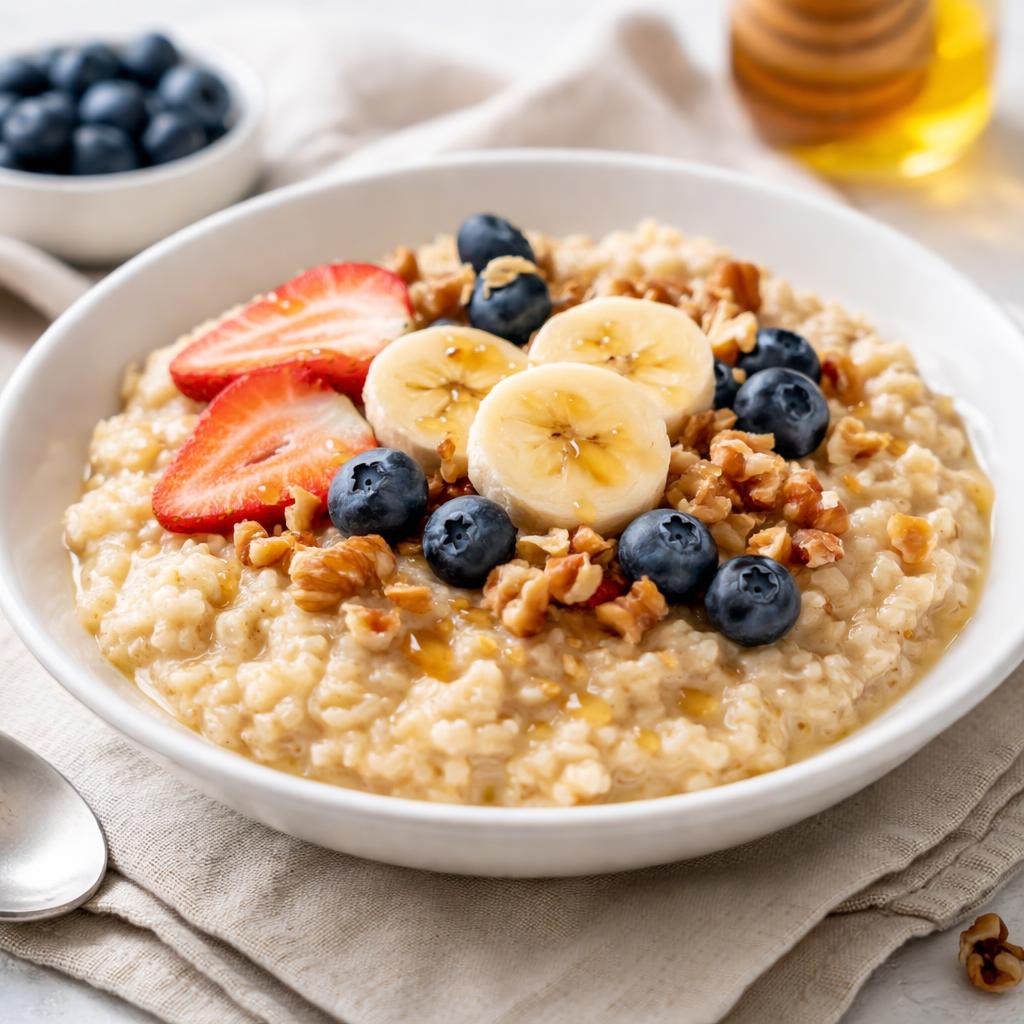
Cooked Oats
🎯 Quick Verdict
Whole wheat bread and cooked oats are nutrient-dense foods with distinct differences. Whole wheat bread has slightly more protein and micronutrients like iron and calcium, while cooked oats are richer in fiber and lower in calories. Bread is better for sandwiches or quick meals, whereas oats shine as a filling breakfast option with complex carbs and steady energy release.

Smart Nutrition Tracking with SnapCalorie

📊 Nutritional Comparison
Macronutrients
| Nutrient | Food 1 | Food 2 | Winner |
|---|---|---|---|
| Calories | 80 calories (per slice, ~30g) | 70 calories (per 100g cooked oats) | ✓ |
| Protein | 4g | 2.5g | ✓ |
| Carbs | 14g | 12g | ✓ |
| Fat | 0.8g | 1.5g | ✓ |
| Fiber | 2g | 2.7g | ✓ |
Vitamins & Minerals
| Nutrient | Food 1 | Food 2 | Winner |
|---|---|---|---|
| Vitamin D | 0mcg | 0mcg | − |
| Calcium | 30mg | 10mg | ✓ |
| Iron | 0.9mg | 0.5mg | ✓ |
🏆 Category Winners
Protein
Whole wheat bread provides 60% more protein per serving.
Fiber
Cooked oats have 35% more fiber per serving, aiding digestion.
Calories
Cooked oats are lower in calories, making them suitable for portion control.
🥗 Diet Compatibility
Keto
Food 1: Not Compatible
Food 2: Not Compatible
Both are carbohydrate-rich and not suitable for ketogenic diets.
Vegan
Food 1: Compatible
Food 2: Compatible
Neither contains animal products.
Gluten Free
Food 1: Not Compatible
Food 2: Compatible
Whole wheat bread contains gluten while oats are naturally gluten-free (unless contaminated).
Paleo
Food 1: Not Compatible
Food 2: Not Compatible
Both are grains and not allowed on the paleo diet.
Low Carb
Food 1: Not Compatible
Food 2: Not Compatible
Both foods have moderate to high carb content.
💪 Health Benefits Comparison
Food 1 Benefits
- Provides quick energy with complex carbohydrates
- High in protein for muscle maintenance
- Contains iron for boosting blood health
Food 2 Benefits
- Rich in soluble fiber to support heart health
- Promotes steady energy release due to complex carbohydrates
- Supports gut health with prebiotic fibers
✅ The Bottom Line
Whole wheat bread is better for quick protein and iron-rich meals like sandwiches, while cooked oats excel in fiber and sustained energy. Both are nutrient-dense but suitable for different contexts: bread for convenient meal prep and oats for filling breakfasts or snacks.
Choose Food 1 for: Quick meals, moderate protein intake, sandwiches
Choose Food 2 for: Digestive health, weight control, breakfast bowls


