Whole Wheat Bread VS Breadstick
A detailed nutritional comparison
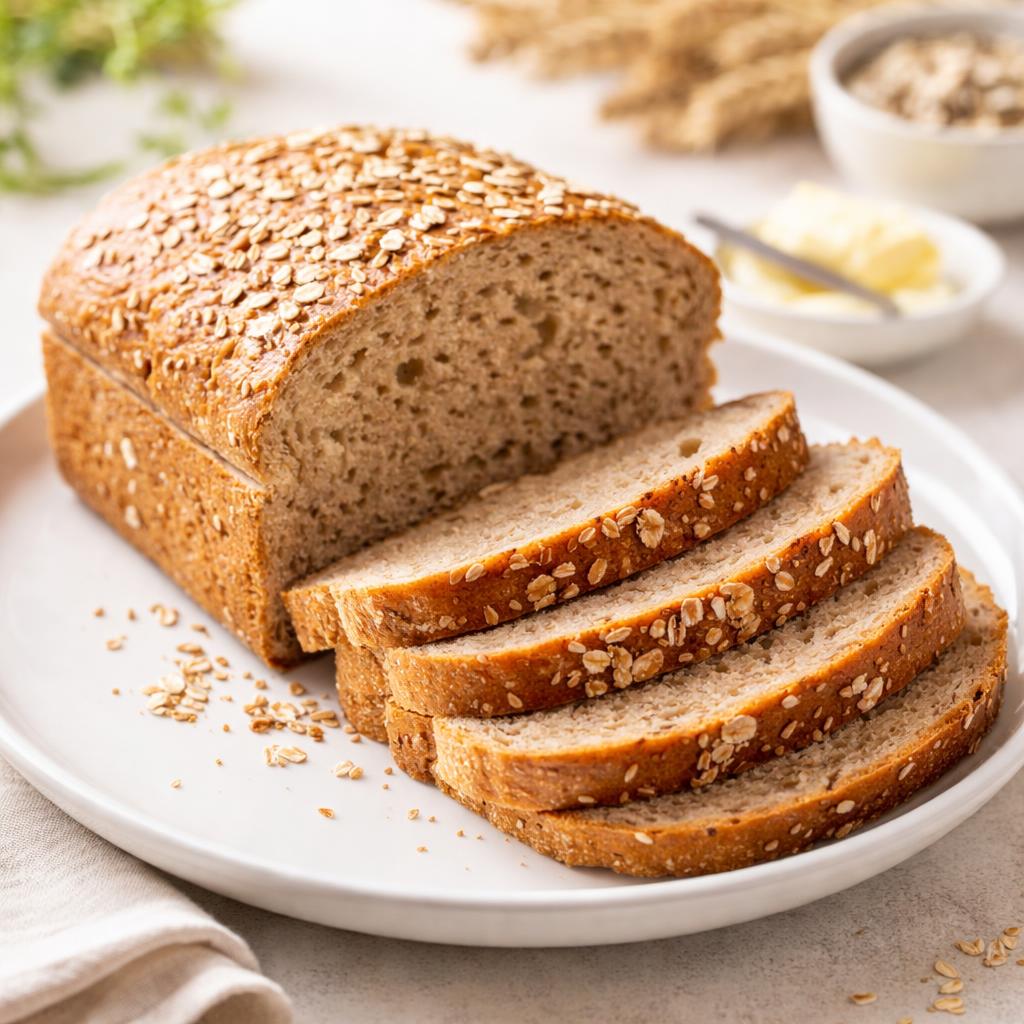
Whole Wheat Bread
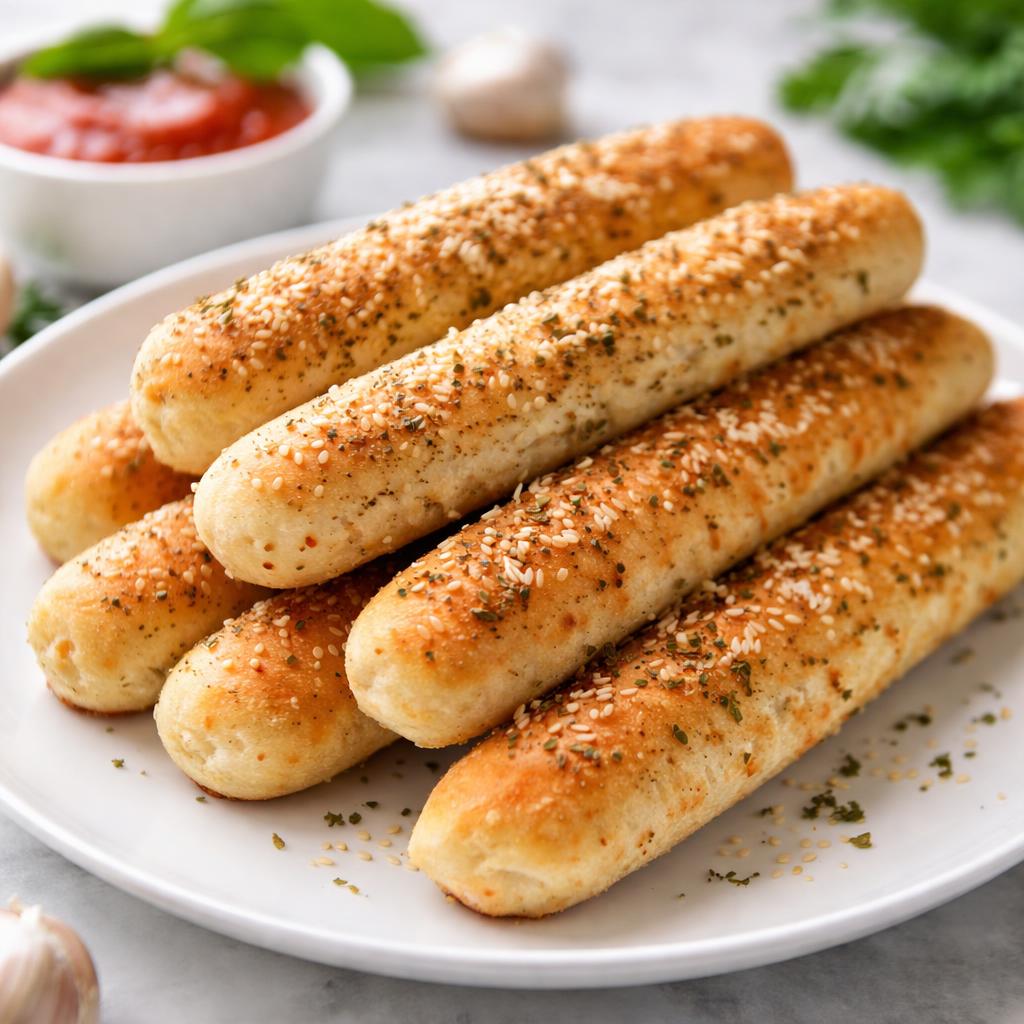
Breadstick
🎯 Quick Verdict
Whole wheat bread is nutritionally superior to breadsticks, offering higher fiber (3.6g vs 0.8g), more protein (4g vs 2.5g), and fewer calories (80 vs 100 per serving). Breadsticks are lower in carbs and contain more fat, making them less ideal for weight loss but potentially better for a lighter snack option. Whole wheat bread is ideal for nutrient-dense meals, while breadsticks can be a convenient snack or appetizer.

Smart Nutrition Tracking with SnapCalorie

📊 Nutritional Comparison
Macronutrients
| Nutrient | Food 1 | Food 2 | Winner |
|---|---|---|---|
| Calories | 80 | 100 | ✓ |
| Protein | 4g | 2.5g | ✓ |
| Carbs | 14g | 20g | ✓ |
| Fat | 1g | 3g | ✓ |
| Fiber | 3.6g | 0.8g | ✓ |
Vitamins & Minerals
| Nutrient | Food 1 | Food 2 | Winner |
|---|---|---|---|
| Vitamin D | 0mcg | 0mcg | − |
| Calcium | 20mg | 8mg | ✓ |
| Iron | 1mg | 0.5mg | ✓ |
🏆 Category Winners
Protein
Whole wheat bread contains 60% more protein per serving.
Fiber
Whole wheat bread provides over 4x more fiber than breadsticks.
Calories
Whole wheat bread has 20% fewer calories per serving.
Vitamins
Whole wheat bread is richer in key vitamins like calcium and iron.
🥗 Diet Compatibility
Keto
Food 1: Not Compatible
Food 2: Not Compatible
Both are high-carb and not suitable for ketogenic diets.
Vegan
Food 1: Compatible
Food 2: Compatible
Both are plant-based and free from animal-derived ingredients.
Gluten Free
Food 1: Not Compatible
Food 2: Not Compatible
Both contain gluten from wheat.
Paleo
Food 1: Not Compatible
Food 2: Not Compatible
Neither aligns with paleo guidelines due to their processed ingredients and grains.
Low-Carb
Food 1: Not Compatible
Food 2: Not Compatible
Both have moderate to high carbohydrate content.
💪 Health Benefits Comparison
Food 1 Benefits
- Rich in dietary fiber to support digestion and regularity
- Provides iron for healthy blood circulation
- Contains protein for muscle maintenance and repair
- Lower in calories for weight management
Food 2 Benefits
- Contains healthy fats for energy and satiety
- Convenient for on-the-go snacking
- Provides quick energy from carbohydrates
- Can be used as a light appetizer or snack
✅ The Bottom Line
Whole wheat bread is the better alternative for balanced meals and nutrient density, with higher protein, fiber, and lower calories. Breadsticks are more of a snack option and may suit occasions where convenience or lighter consumption is preferred.
Choose Food 1 for: Health-conscious meals, weight management, boosting protein and fiber intake
Choose Food 2 for: Casual snacking, appetizers, or quick energy


