Whole Wheat Bread VS Bread Slices
A detailed nutritional comparison
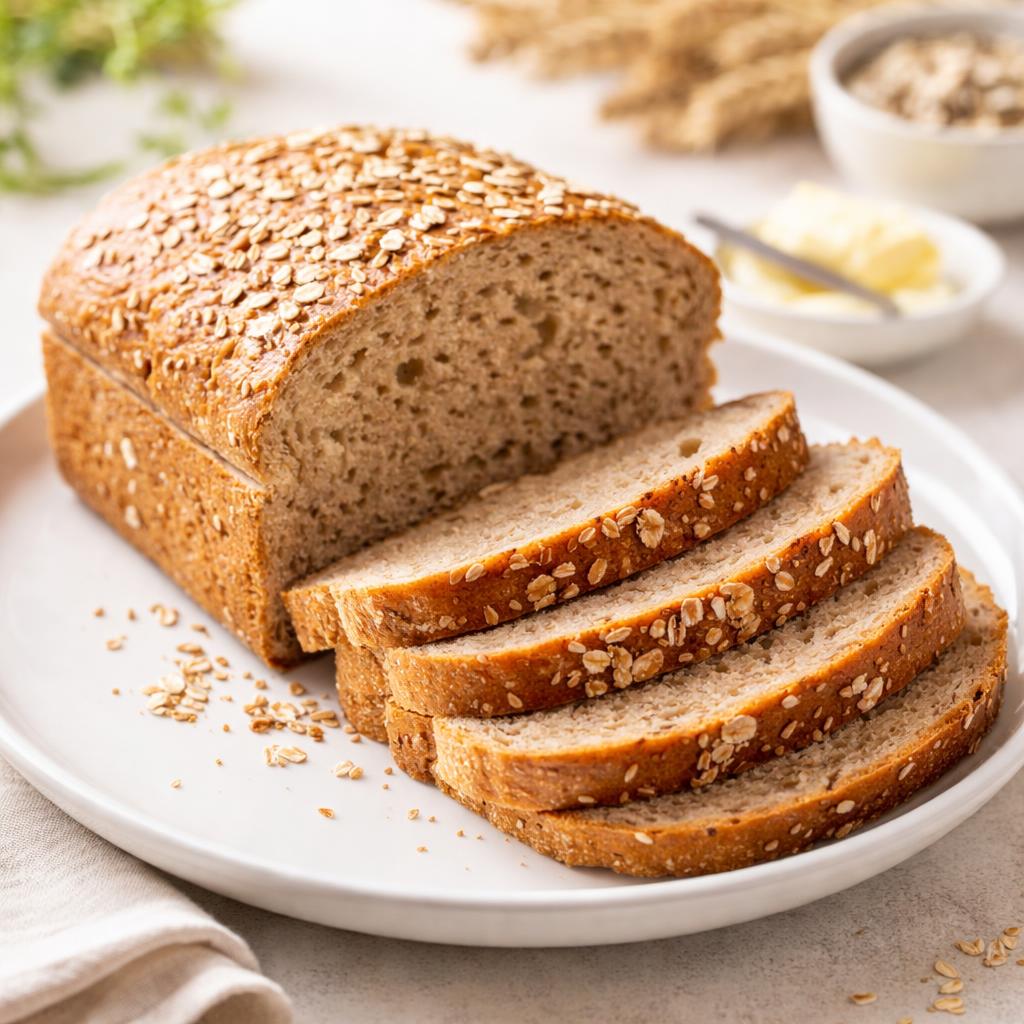
Whole Wheat Bread
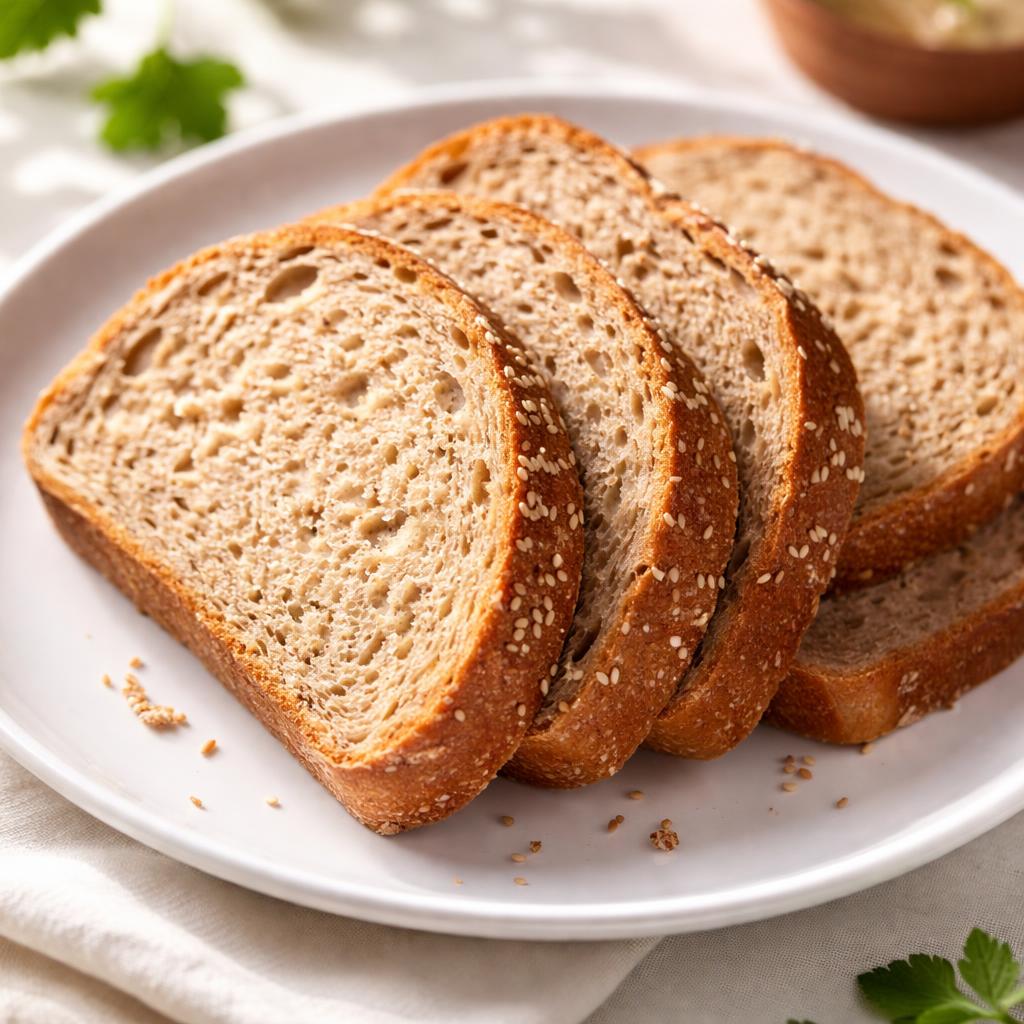
Bread Slices
🎯 Quick Verdict
Whole wheat bread generally outperforms regular bread slices nutritionally. It is higher in protein, fiber, and micronutrients while also having fewer calories per serving. Bread slices may be more convenient for general use but provide less nutritional density compared to whole wheat bread which is better for health-focused choices.

Smart Nutrition Tracking with SnapCalorie

📊 Nutritional Comparison
Macronutrients
| Nutrient | Food 1 | Food 2 | Winner |
|---|---|---|---|
| Calories | 80 (per slice) | 100 (per slice) | ✓ |
| Protein | 4g | 2g | ✓ |
| Carbs | 15g | 18g | ✓ |
| Fat | 1g | 1.5g | ✓ |
| Fiber | 3g | 1g | ✓ |
Vitamins & Minerals
| Nutrient | Food 1 | Food 2 | Winner |
|---|---|---|---|
| Vitamin D | 0mcg | 0mcg | − |
| Calcium | 30mg | 20mg | ✓ |
| Iron | 1mg | 0.5mg | ✓ |
🏆 Category Winners
Protein
Whole wheat bread has double the protein of regular bread slices.
Fiber
Whole wheat bread provides triple the fiber per serving.
Calories
Whole wheat bread is 20% lower in calories per slice compared to bread slices.
Vitamins
Nutritient density is higher across calcium and iron in whole wheat bread.
🥗 Diet Compatibility
Keto
Food 1: Not Compatible
Food 2: Not Compatible
Both foods are high in carbs and not suitable for keto diets.
Vegan
Food 1: Compatible
Food 2: Compatible
Both breads are typically plant-based without animal products.
Gluten Free
Food 1: Not Compatible
Food 2: Not Compatible
Both contain gluten and are unsuitable for a gluten-free diet.
Paleo
Food 1: Not Compatible
Food 2: Not Compatible
Bread is not allowed on paleo diets due to grains.
Low Carb
Food 1: Not Compatible
Food 2: Not Compatible
Both foods exceed typical low-carb intake thresholds (over 15g of carbs per slice).
💪 Health Benefits Comparison
Food 1 Benefits
- High fiber content aids digestion and promotes gut health.
- Rich in protein for muscle support and satiety.
- Source of iron for healthy blood production and energy.
Food 2 Benefits
- Convenient for quick meals and sandwiches.
- Provides energy through carbohydrates for daily activities.
- Contains minor amounts of vitamins and minerals for basic nutrition.
✅ The Bottom Line
Whole wheat bread is the clear winner when prioritizing health, as it offers significantly higher fiber, protein, and overall nutrient density. Bread slices, while nutritionally inferior, are more suited for casual and minimalist use cases such as basic sandwiches or toast.
Choose Food 1 for: Weight management, high-fiber diets, muscle building, gut health.
Choose Food 2 for: Convenience, low-cost meals, quick energy.


