Whole Grain Bread VS Multi Grain Bread
A detailed nutritional comparison
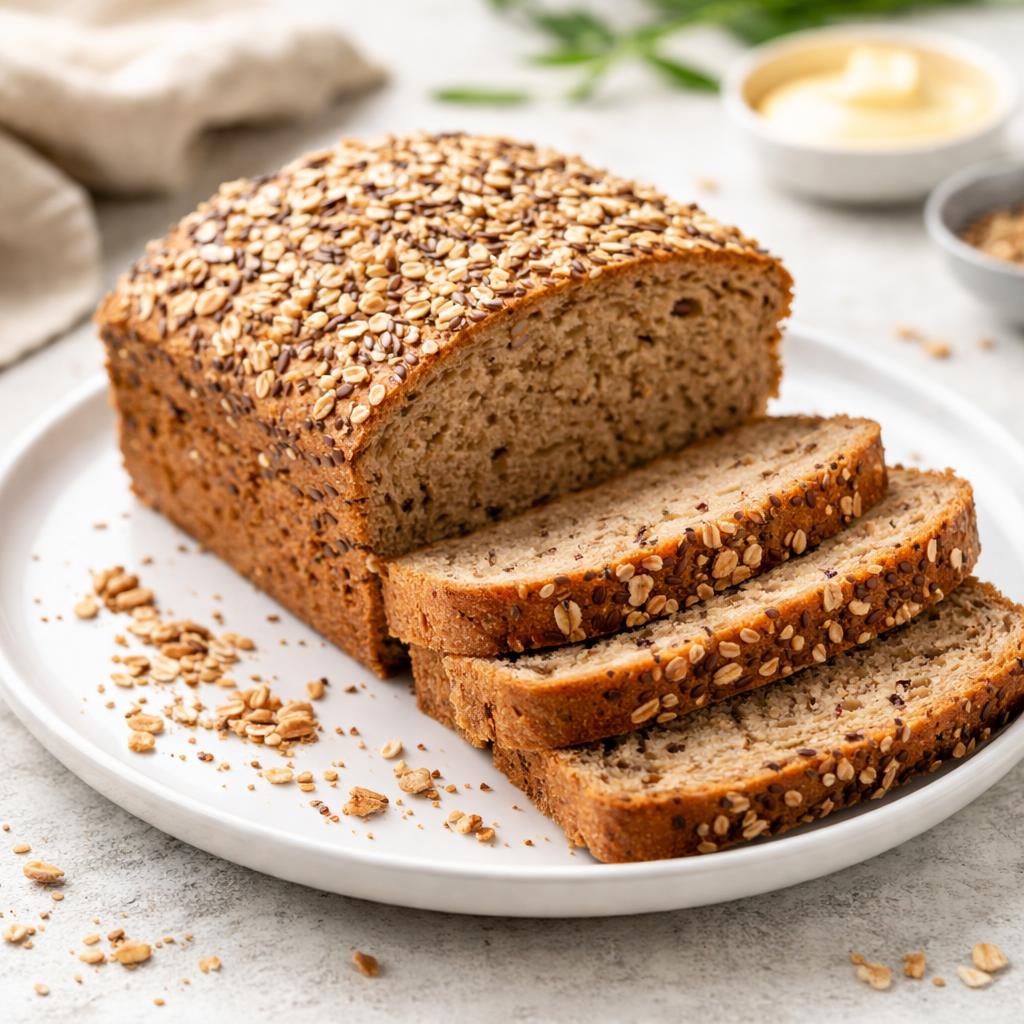
Whole Grain Bread
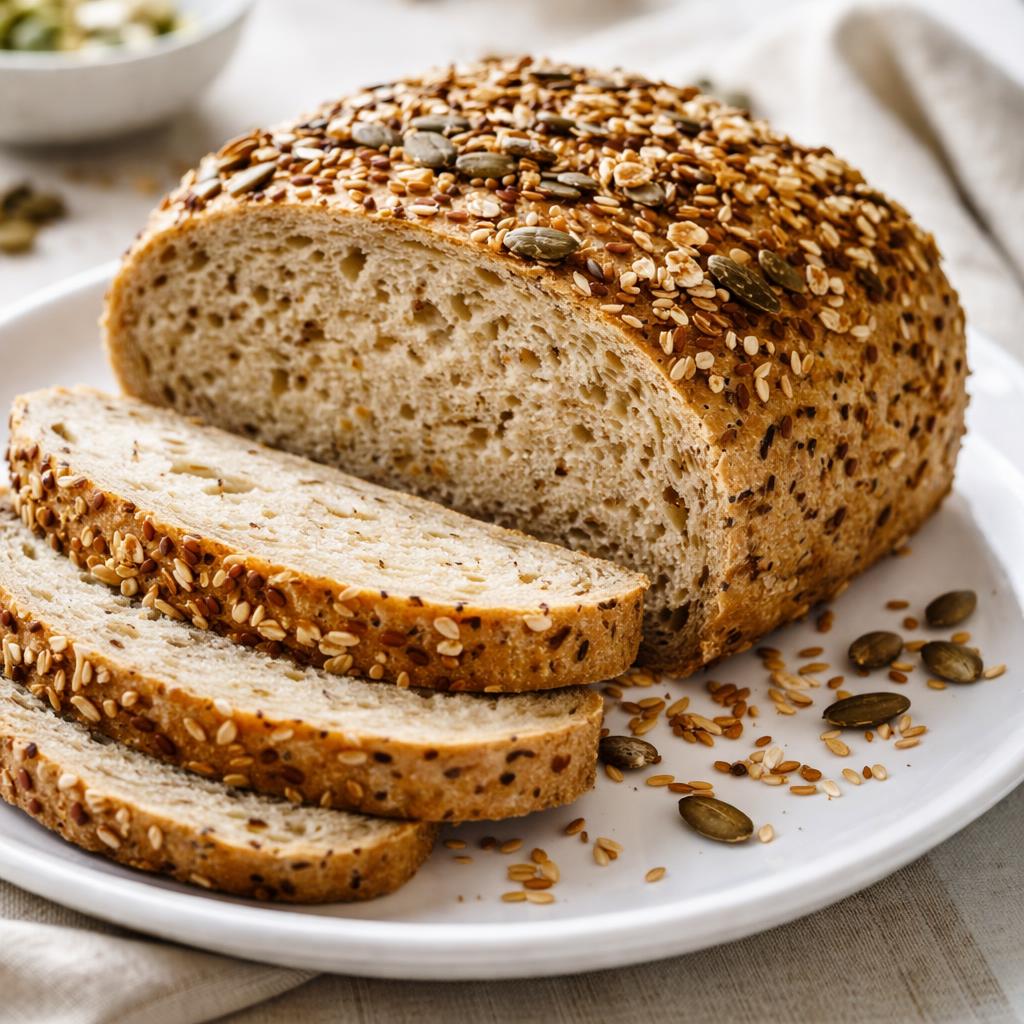
Multi Grain Bread
🎯 Quick Verdict
Whole grain bread and multi-grain bread are nutritionally similar, with whole grain bread slightly edging ahead in protein content and multi-grain bread offering more fiber. Both are calorie-dense but provide good energy and nutrients, making them ideal for balanced diets. Multi-grain bread may suit individuals seeking diverse grain benefits, while whole grain bread is better for higher protein needs.

Smart Nutrition Tracking with SnapCalorie

📊 Nutritional Comparison
Macronutrients
| Nutrient | Food 1 | Food 2 | Winner |
|---|---|---|---|
| Calories | 80 per slice | 80 per slice | − |
| Protein | 4g | 3g | ✓ |
| Carbs | 14g | 15g | ✓ |
| Fat | 1g | 1.5g | ✓ |
| Fiber | 2g | 3g | ✓ |
Vitamins & Minerals
| Nutrient | Food 1 | Food 2 | Winner |
|---|---|---|---|
| Vitamin B6 | 0.2mg | 0.3mg | ✓ |
| Vitamin E | 0.1mg | 0.2mg | ✓ |
| Iron | 0.8mg | 0.6mg | ✓ |
🏆 Category Winners
Protein
Whole grain bread provides 33% more protein per slice.
Fiber
Multi-grain bread includes 50% more fiber per slice.
Calories
Both breads have the same calories per slice (80).
Vitamins
Multi-grain bread delivers slightly more Vitamin B6 and Vitamin E.
🥗 Diet Compatibility
Keto
Food 1: Not Compatible
Food 2: Not Compatible
Both are high carb (~14-15g per slice).
Vegan
Food 1: Compatible
Food 2: Compatible
Neither contains animal products.
Gluten Free
Food 1: Not Compatible
Food 2: Not Compatible
Both contain gluten.
Paleo
Food 1: Not Compatible
Food 2: Not Compatible
Bread is not approved in paleo diets.
Low Carb
Food 1: Not Compatible
Food 2: Not Compatible
Carbohydrate content is too high for low-carb criteria.
💪 Health Benefits Comparison
Food 1 Benefits
- Good source of protein for structural and metabolic functions
- Fiber supports digestion and satiety
- Provides iron, which supports blood health and energy
Food 2 Benefits
- Higher fiber helps maintain digestive health
- Contains diverse grains and offers a mix of nutrients
- Includes Vitamin B6 and Vitamin E, beneficial for metabolism and skin health
✅ The Bottom Line
Both breads are excellent options for regular diets and offer good energy, fiber, and protein. Whole grain bread is the best pick for individuals focusing on protein intake, while multi-grain bread offers a slight edge in fiber and diverse nutrients, making it ideal for digestive health and sustained energy.
Choose Food 1 for: Protein-rich diets, balanced energy needs, low-fat choices
Choose Food 2 for: Digestive health, nutrient diversity, fiber-focused diets


