White Rice VS Vegetable Soup
A detailed nutritional comparison
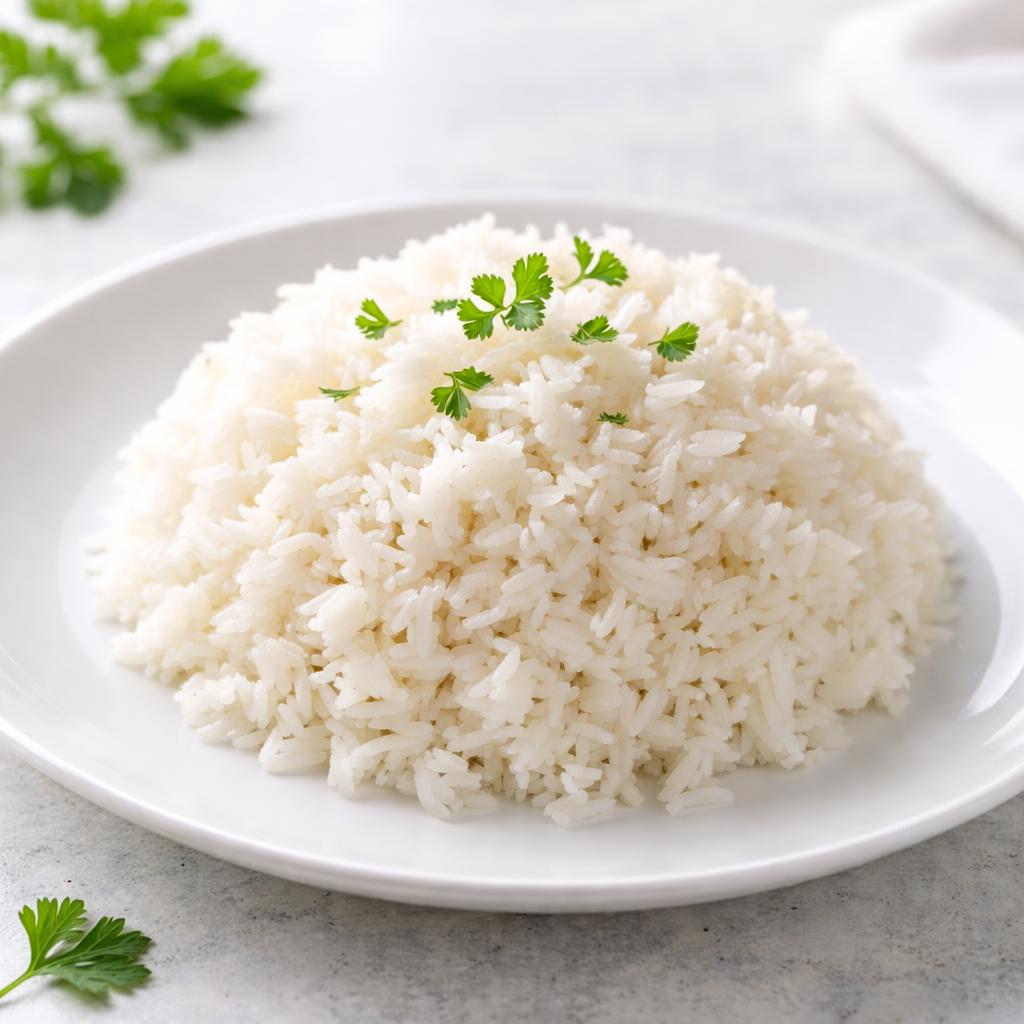
White Rice
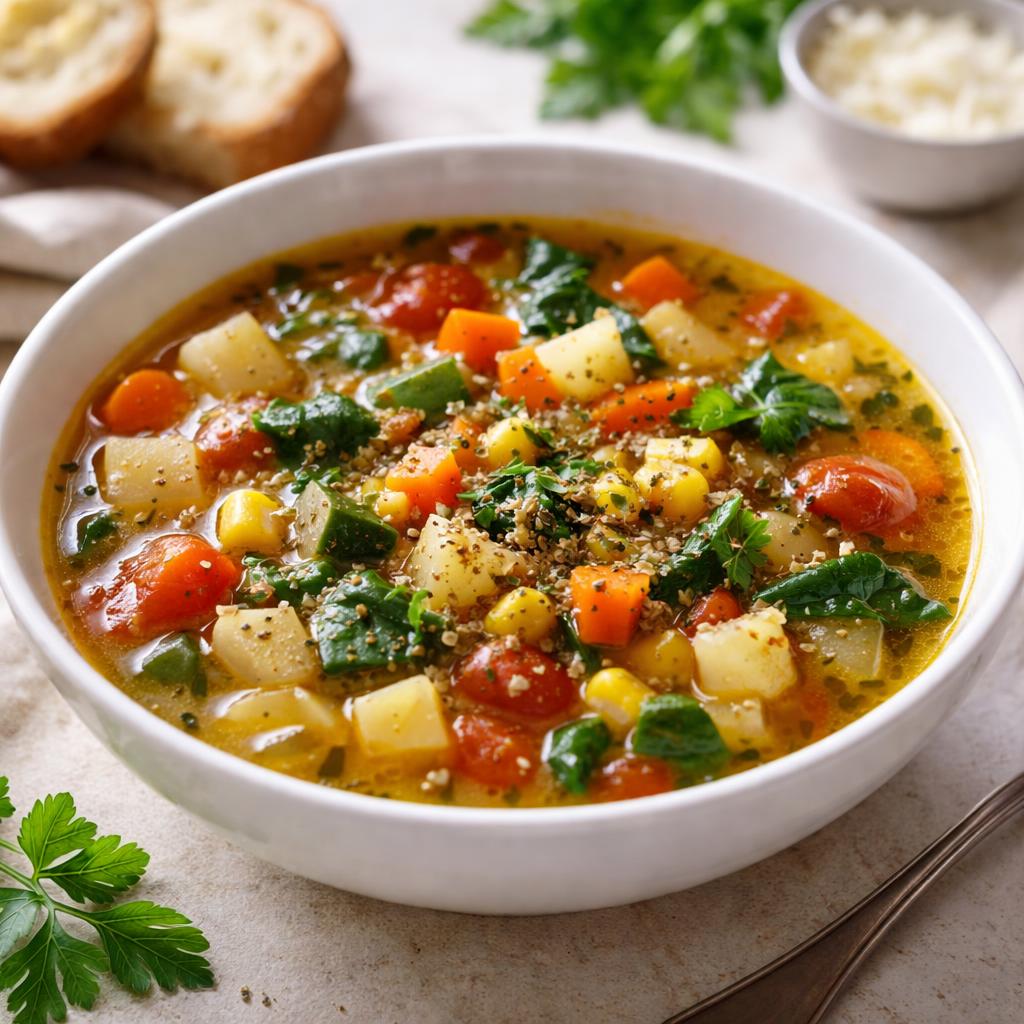
Vegetable Soup
🎯 Quick Verdict
Vegetable soup is lower in calories, richer in protein, and contains significantly more fiber than white rice, making it a better choice for weight management and overall nutrition. White rice is higher in carbs and provides a quick energy boost, ideal for high-energy activities or as a side dish for balanced meals.

Smart Nutrition Tracking with SnapCalorie

📊 Nutritional Comparison
Macronutrients
| Nutrient | Food 1 | Food 2 | Winner |
|---|---|---|---|
| Calories | 206 per cup | 98 per cup | ✓ |
| Protein | 4g | 5g | ✓ |
| Carbs | 45g | 15g | ✓ |
| Fat | 0.4g | 2g | ✓ |
| Fiber | 0.5g | 4g | ✓ |
Vitamins & Minerals
| Nutrient | Food 1 | Food 2 | Winner |
|---|---|---|---|
| Vitamin A | 0mcg | 400mcg | ✓ |
| Vitamin C | 0mg | 10mg | ✓ |
| Potassium | 55mg | 350mg | ✓ |
🏆 Category Winners
Protein
Vegetable soup has 25% more protein per serving.
Fiber
Vegetable soup contains 8x more fiber.
Calories
Vegetable soup has less than half the calories of white rice.
Vitamins
Vegetable soup is far superior in vitamins like A, C, and potassium.
🥗 Diet Compatibility
Keto
Food 1: Not Compatible
Food 2: Compatible
Vegetable soup is low-carb (15g per serving), while white rice is high in carbs (45g).
Vegan
Food 1: Compatible
Food 2: Compatible
Both foods are plant-based.
Gluten Free
Food 1: Compatible
Food 2: Compatible
Neither contains gluten.
Paleo
Food 1: Not Compatible
Food 2: Compatible
Vegetable soup aligns with paleo guidelines; white rice does not due to its processed nature.
Low-Carb
Food 1: Not Compatible
Food 2: Compatible
White rice is high in carbs, while vegetable soup is relatively low-carb.
💪 Health Benefits Comparison
Food 1 Benefits
- Quick energy boost due to high carbohydrate content
- Easy to digest for sensitive stomachs
- Ideal side dish for diverse cuisines
Food 2 Benefits
- High fiber content supports healthy digestion
- Low in calories, ideal for weight management
- Rich in antioxidants and vitamins like A and C
- Provides essential minerals like potassium
✅ The Bottom Line
Choose vegetable soup for a nutrient-rich, low-calorie meal that supports digestion and overall health. Opt for white rice if you need quick energy or a neutral base for high-carb meals. Vegetable soup is better for weight loss and balanced diets, while white rice suits high-energy activities.
Choose Food 1 for: Energy boosts, side dish pairing, sensitive stomachs
Choose Food 2 for: Weight management, nutrient-dense meals, digestion support


