White Rice VS Vanilla Syrup
A detailed nutritional comparison
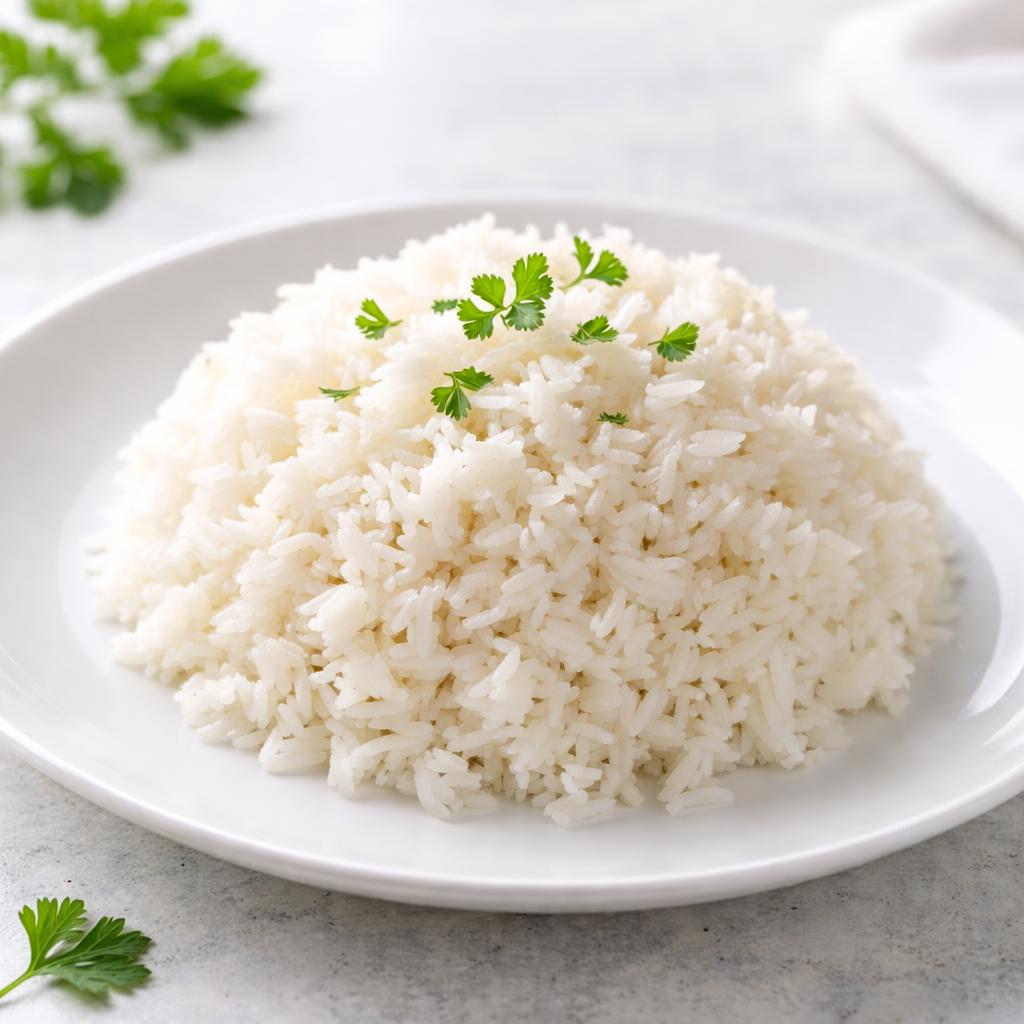
White Rice
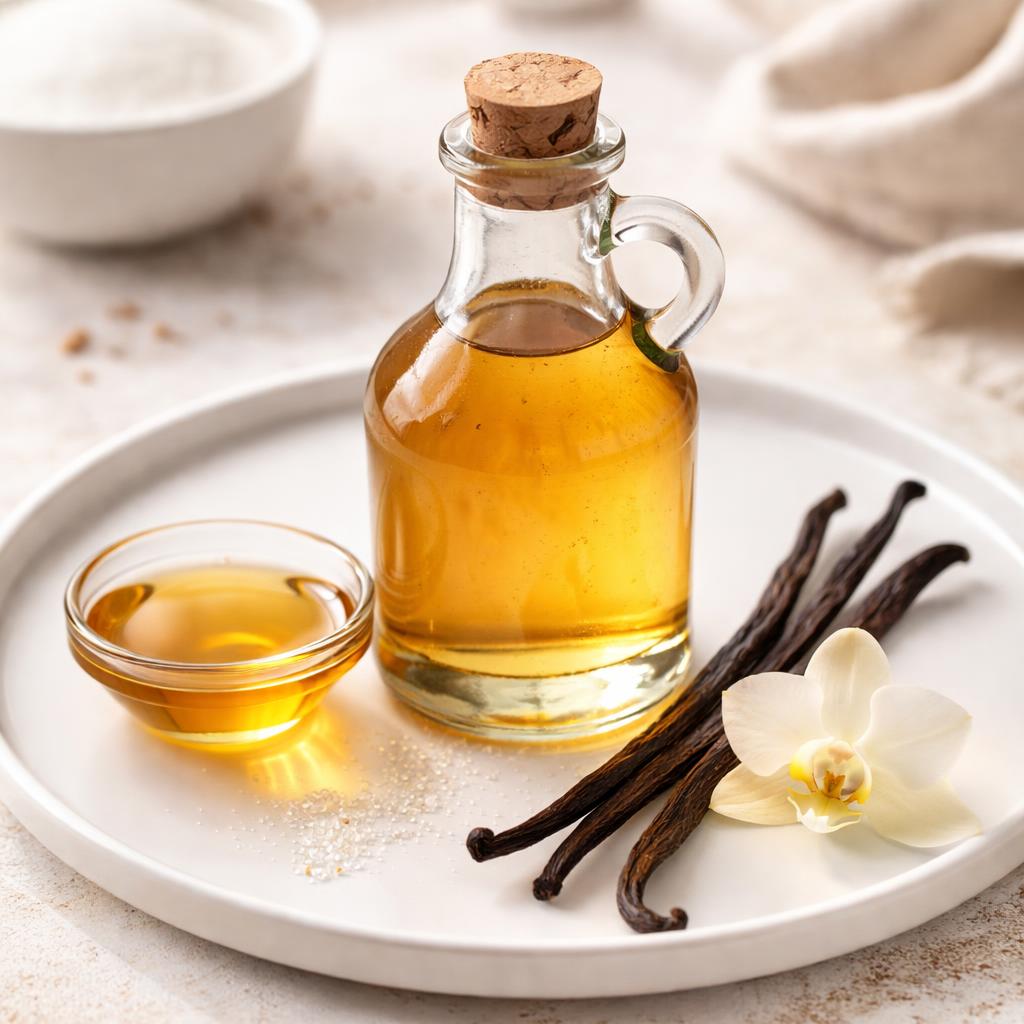
Vanilla Syrup
🎯 Quick Verdict
White rice and vanilla syrup differ significantly in their nutritional profiles and use cases. White rice, a staple carbohydrate source, offers more protein, fiber, and vitamins per serving, making it a better choice for general nutrition. Vanilla syrup is lower in calories but lacks meaningful nutrients, serving mostly as a flavoring in beverages or desserts with high sugar content.

Smart Nutrition Tracking with SnapCalorie

📊 Nutritional Comparison
Macronutrients
| Nutrient | Food 1 | Food 2 | Winner |
|---|---|---|---|
| Calories | 205 | 90 | ✓ |
| Protein | 4.3g | 0g | ✓ |
| Carbs | 44g | 22g | ✓ |
| Fat | 0.4g | 0g | ✓ |
| Fiber | 0.6g | 0g | ✓ |
Vitamins & Minerals
| Nutrient | Food 1 | Food 2 | Winner |
|---|---|---|---|
| Vitamin D | 0mcg | 0mcg | − |
| Calcium | 9mg | 0mg | ✓ |
| Iron | 0.3mg | 0mg | ✓ |
🏆 Category Winners
Protein
White rice contains 4.3g protein vs 0g in vanilla syrup.
Fiber
White rice has 0.6g fiber; vanilla syrup has none.
Calories
Vanilla syrup provides fewer calories (90 vs 205 kcal).
🥗 Diet Compatibility
Keto
Food 1: Not Compatible
Food 2: Not Compatible
Both are high-carb options.
Vegan
Food 1: Compatible
Food 2: Compatible
Neither contains animal products.
Gluten Free
Food 1: Compatible
Food 2: Compatible
Both are naturally gluten-free.
Paleo
Food 1: Not Compatible
Food 2: Not Compatible
White rice and vanilla syrup are not paleo-friendly.
Low Carb
Food 1: Not Compatible
Food 2: Not Compatible
Both foods are carb-heavy with minimal protein and fat.
💪 Health Benefits Comparison
Food 1 Benefits
- Provides quick energy from carbohydrates
- Low in fat, making it suitable for low-fat diets
- Minimal protein content for basic muscle maintenance
Food 2 Benefits
- Low calorie option for flavoring foods and drinks
- Provides quick sugar energy for endurance athletes (during activity)
- Neutral flavor suitable for enhancing desserts and beverages
✅ The Bottom Line
White rice is nutritionally superior for general health and satiation, offering more protein, fiber, and minerals than vanilla syrup. Vanilla syrup is better suited as a low-calorie sweetener for beverages or desserts. Neither food is optimal for low-carb or high-nutrient diets.
Choose Food 1 for: Energy provision, meal prep, moderate-carb diets
Choose Food 2 for: Flavoring sweets and drinks, reduced calorie diets, occasional use


