White Rice VS Tuna Salad
A detailed nutritional comparison
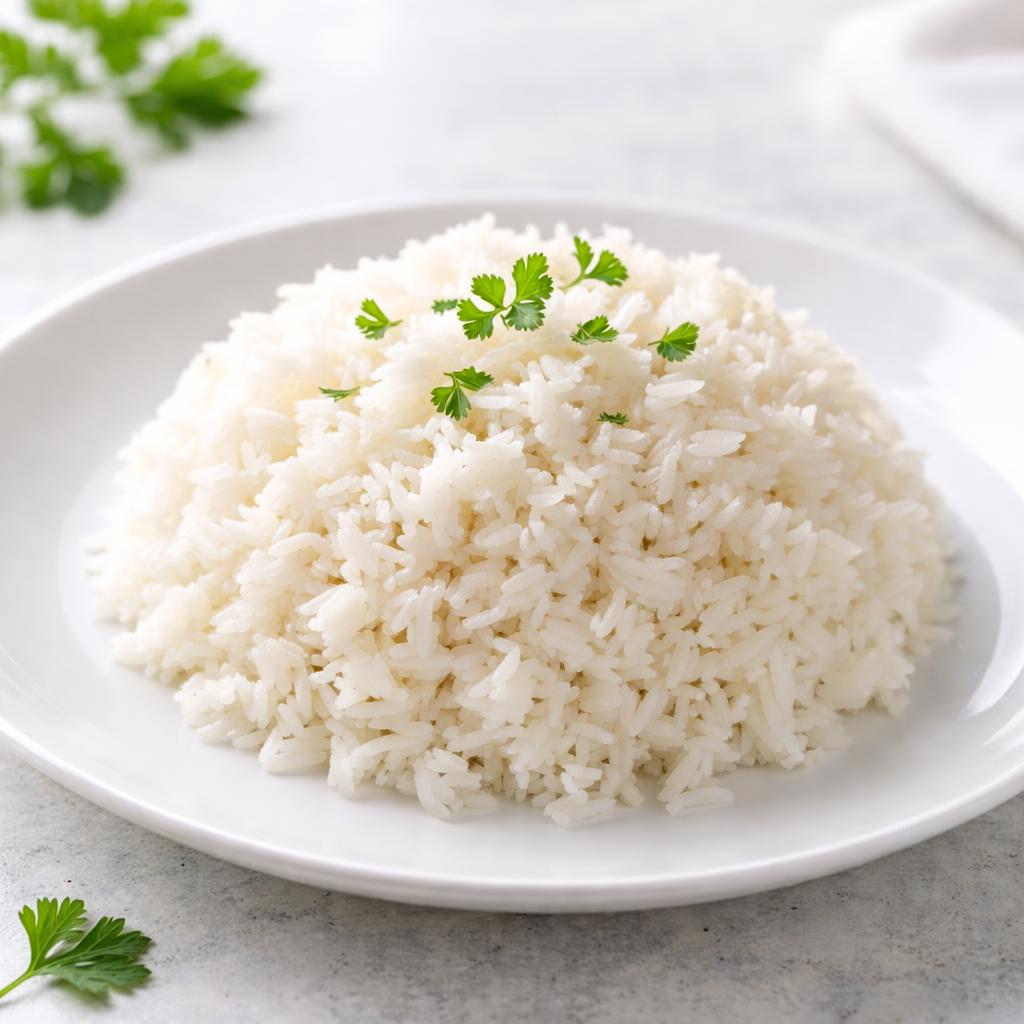
White Rice
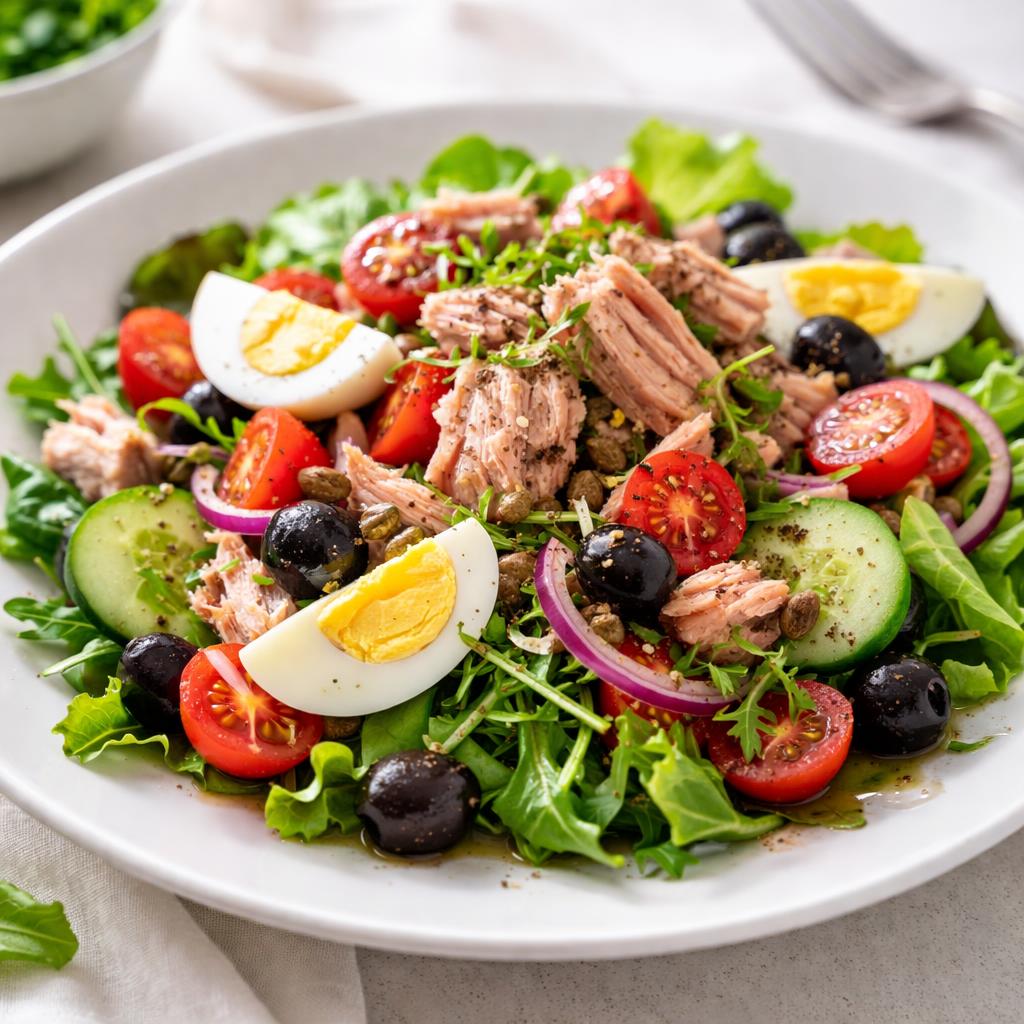
Tuna Salad
🎯 Quick Verdict
Tuna salad is a much higher protein and nutrient-dense option compared to white rice. White rice is primarily a carbohydrate source, making it suitable for quick energy. Tuna salad provides balanced macros, with protein, healthy fats, fiber, and various vitamins, making it more versatile and nutritious overall.

Smart Nutrition Tracking with SnapCalorie

📊 Nutritional Comparison
Macronutrients
| Nutrient | Food 1 | Food 2 | Winner |
|---|---|---|---|
| Calories | 206 | 150 | ✓ |
| Protein | 4.3g | 20g | ✓ |
| Carbs | 45g | 10g | ✓ |
| Fat | 0.4g | 8g | ✓ |
| Fiber | 0.6g | 3g | ✓ |
Vitamins & Minerals
| Nutrient | Food 1 | Food 2 | Winner |
|---|---|---|---|
| Vitamin D | 0mcg | 2.5mcg | ✓ |
| Calcium | 10mg | 20mg | ✓ |
| Iron | 0.2mg | 1mg | ✓ |
🏆 Category Winners
Protein
Tuna salad contains nearly five times more protein per serving.
Fiber
Tuna salad provides five times more dietary fiber.
Calories
Tuna salad is lower in calories despite having healthier fats and fiber.
Vitamins
Tuna salad contains significantly more vitamin D and other essential micronutrients.
🥗 Diet Compatibility
Keto
Food 1: Not Compatible
Food 2: Compatible
Tuna salad is lower in carbs and higher in fat and protein.
Vegan
Food 1: Compatible
Food 2: Not Compatible
White rice is plant-based, while tuna salad contains fish.
Gluten Free
Food 1: Compatible
Food 2: Compatible
Neither food contains gluten.
Paleo
Food 1: Not Compatible
Food 2: Compatible
White rice is not allowed on paleo diets, but tuna salad fits due to its whole-food ingredients.
Low-Carb
Food 1: Not Compatible
Food 2: Compatible
White rice is high in carbohydrates, while tuna salad is low-carb.
💪 Health Benefits Comparison
Food 1 Benefits
- Provides quick energy from carbohydrates
- Easy to digest and gluten-free
- Can serve as a neutral base to pair with other nutritious ingredients
Food 2 Benefits
- High protein content supports muscle repair and growth
- Healthy fats contribute to brain and heart health
- Rich in vitamin D for bone health and immune function
- Contains fiber for improved digestion
✅ The Bottom Line
Tuna salad is nutritionally superior to white rice due to its high protein, fiber, and balanced macro profile. White rice is best used for quick energy and as a simple, neutral base in meals, while tuna salad is ideal for muscle-building, weight management, and nutrient-dense meals.
Choose Food 1 for: Energy boost, low-fat meals, easy digestion
Choose Food 2 for: Weight loss, muscle-building diets, nutrient-dense snacks or meals


