White Rice VS Sweet Onion
A detailed nutritional comparison
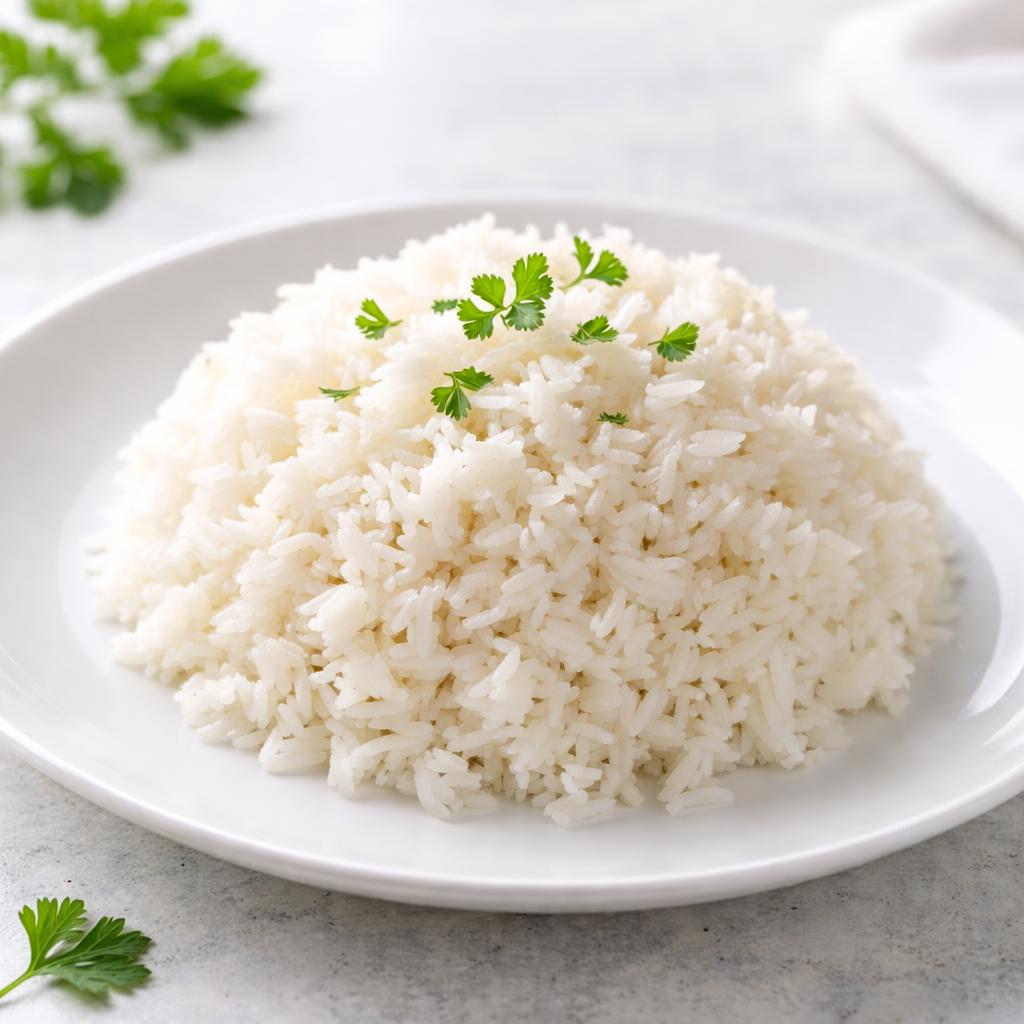
White Rice
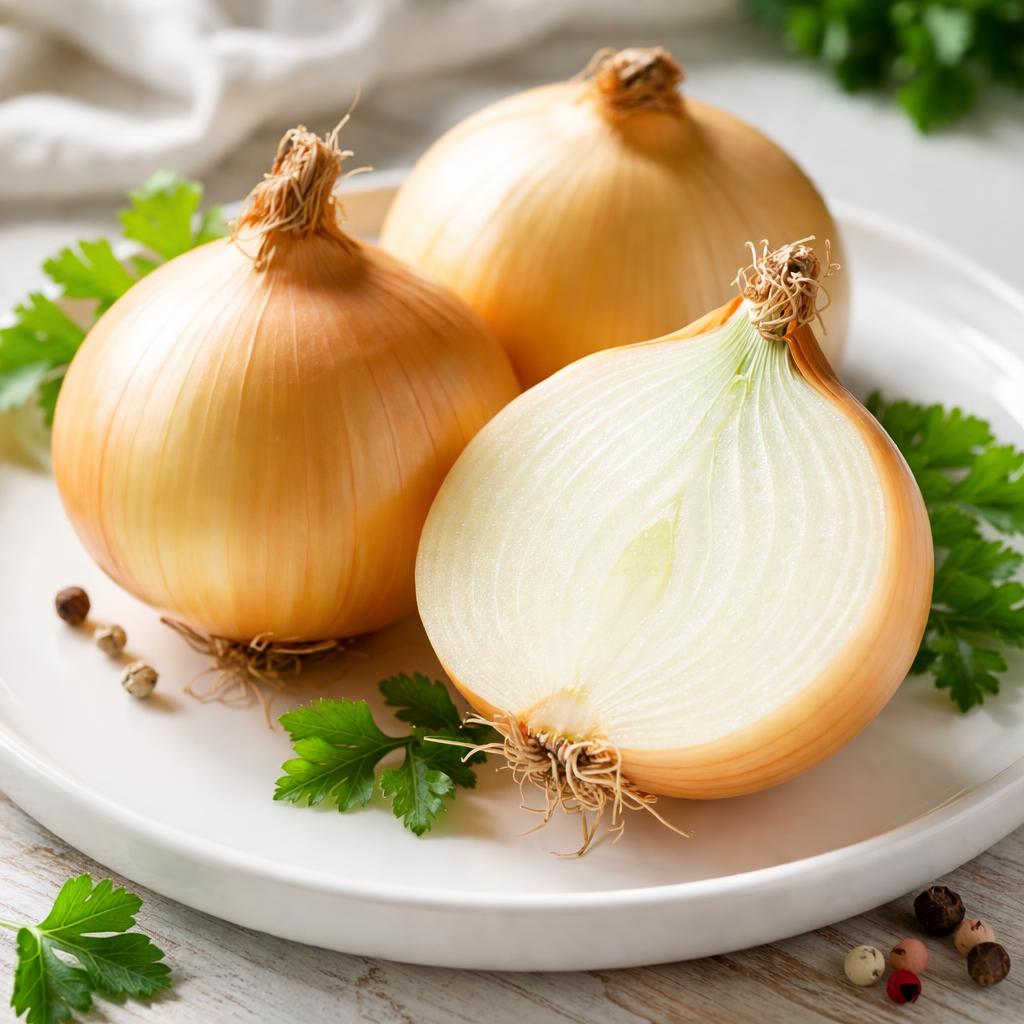
Sweet Onion
🎯 Quick Verdict
White rice is higher in calories and carbohydrates, making it a quick energy source, while sweet onion is lower in calories, higher in fiber, and rich in antioxidants. White rice is better suited for energy-intensive activities, while sweet onion contributes to overall nutrient diversity in meals.

Smart Nutrition Tracking with SnapCalorie

📊 Nutritional Comparison
Macronutrients
| Nutrient | Food 1 | Food 2 | Winner |
|---|---|---|---|
| Calories | 130 | 40 | ✓ |
| Protein | 2.3g | 1g | ✓ |
| Carbs | 28g | 9g | ✓ |
| Fat | 0.3g | 0.1g | ✓ |
| Fiber | 0.4g | 1.2g | ✓ |
Vitamins & Minerals
| Nutrient | Food 1 | Food 2 | Winner |
|---|---|---|---|
| Vitamin C | 0mg | 7mg | ✓ |
| Potassium | 36mg | 146mg | ✓ |
| Magnesium | 13mg | 10mg | ✓ |
🏆 Category Winners
Protein
White rice has over twice the protein per serving compared to sweet onion.
Fiber
Sweet onion contains three times more fiber than white rice.
Calories
Sweet onion has significantly lower calories per serving.
Vitamins
Sweet onion is richer in vitamin C and potassium, supporting immune and heart health.
🥗 Diet Compatibility
Keto
Food 1: Not Compatible
Food 2: Compatible
Sweet onion is lower-carb than white rice.
Vegan
Food 1: Compatible
Food 2: Compatible
Both foods are plant-based and suitable for vegan diets.
Gluten Free
Food 1: Compatible
Food 2: Compatible
Neither food contains gluten.
Paleo
Food 1: Not Compatible
Food 2: Compatible
Sweet onion aligns with paleo diet principles, while white rice is excluded.
Low-Carb
Food 1: Not Compatible
Food 2: Compatible
Sweet onion is lower in net carbs compared to white rice.
💪 Health Benefits Comparison
Food 1 Benefits
- Provides quick energy due to high carb content
- Low-fat and easy to digest
- Versatile ingredient in meals for energy boosts
Food 2 Benefits
- Rich in antioxidants for reduced inflammation
- High in fiber for better digestion
- Low in calories, supporting weight loss diets
- Contains vitamin C for strong immune health
✅ The Bottom Line
White rice is ideal for meals requiring a carbohydrate boost, especially for athletes or energy-focused dishes. Sweet onion, on the other hand, is better for nutrient-rich, low-calorie meals that enhance flavor and aid digestion.
Choose Food 1 for: Quick energy, post-workout meals, rice-based dishes
Choose Food 2 for: Weight loss, low-carb diets, flavorful additions to salads and stir-fries


