White Rice VS Sushi Roll With Salmon And Avocado
A detailed nutritional comparison
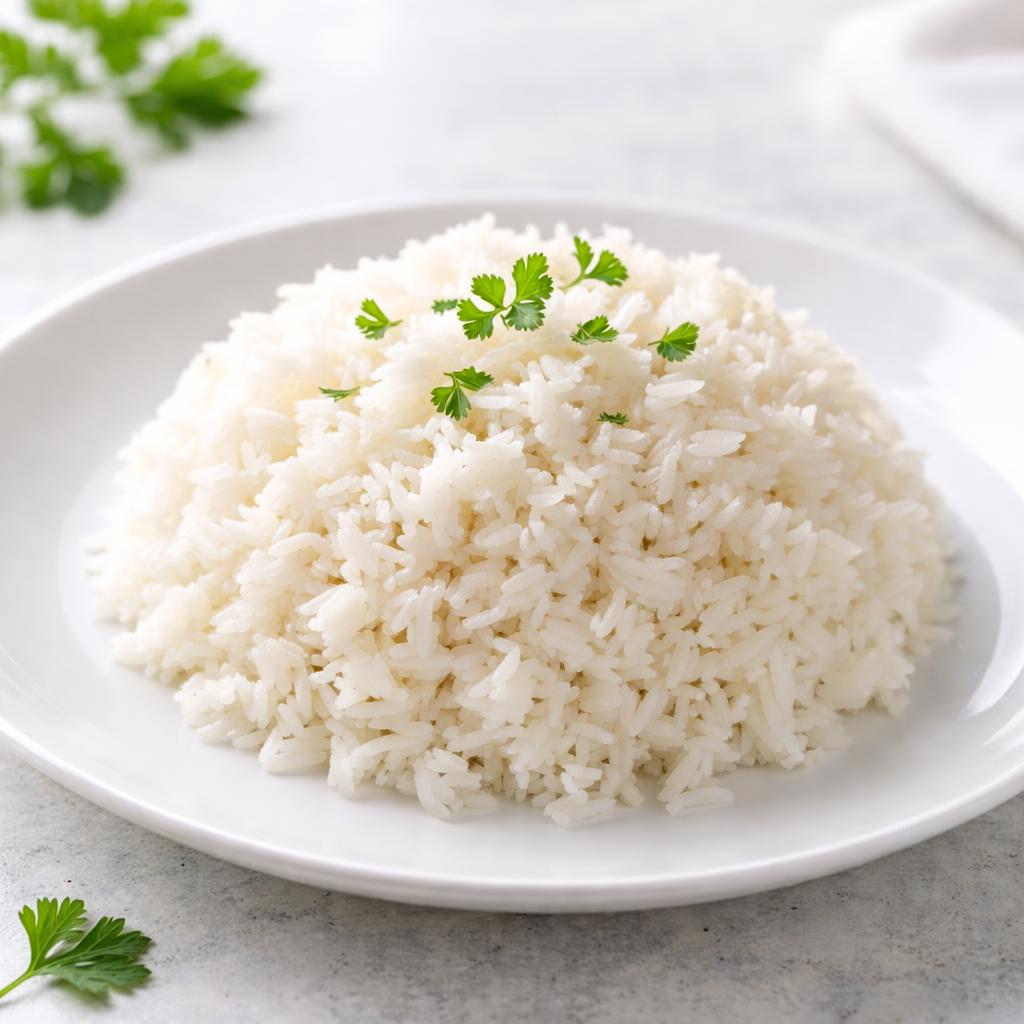
White Rice
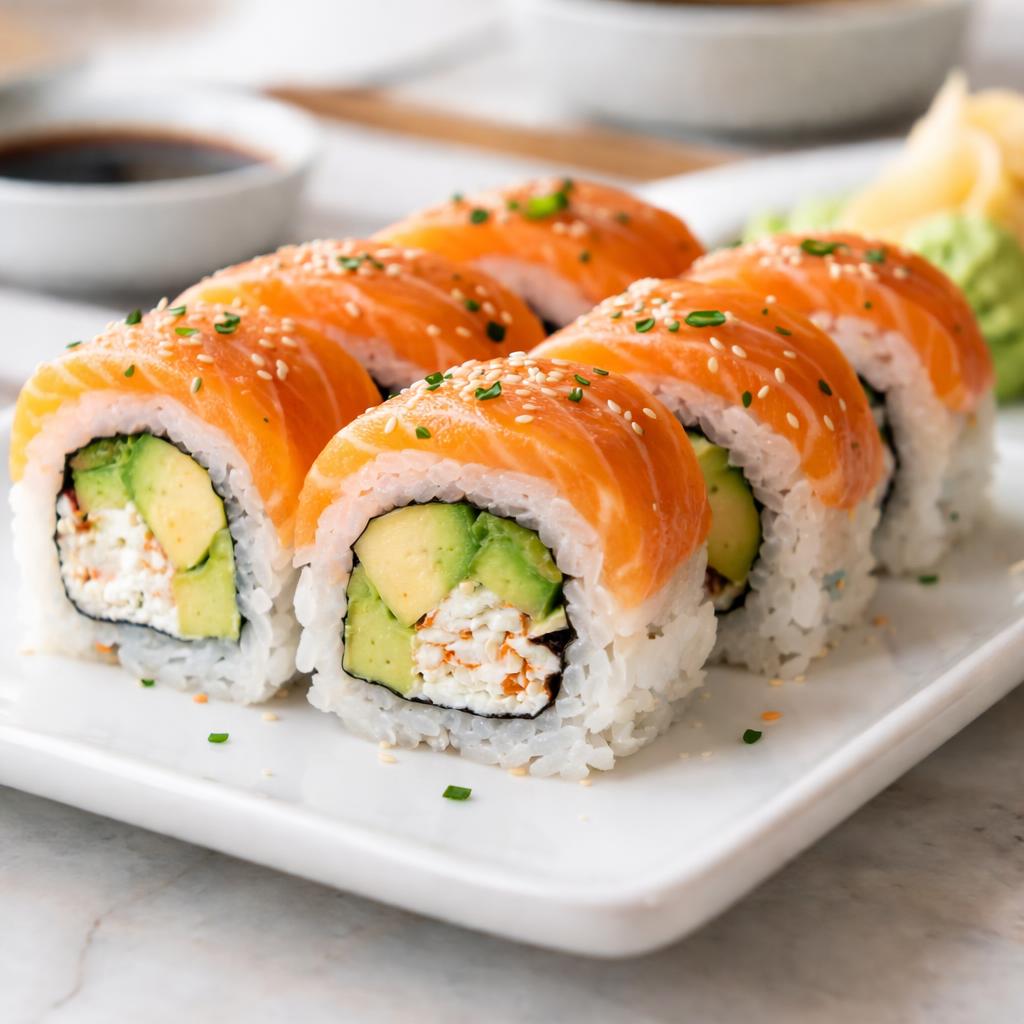
Sushi Roll With Salmon And Avocado
🎯 Quick Verdict
Sushi roll with salmon and avocado offers superior nutritional benefits over white rice, including significantly more protein, fiber, and healthy fats. While white rice is lower in carbohydrates and simpler in composition, food2 adds vitamins, minerals, and omega-3 fatty acids, making it better suited for a nutrient-dense meal option.

Smart Nutrition Tracking with SnapCalorie

📊 Nutritional Comparison
Macronutrients
| Nutrient | Food 1 | Food 2 | Winner |
|---|---|---|---|
| Calories | 150 (1 cup cooked) | 150 (1 roll) | − |
| Protein | 2.8g | 12g | ✓ |
| Carbs | 33g | 18g | ✓ |
| Fat | 0.2g | 6g | ✓ |
| Fiber | 0.3g | 2g | ✓ |
Vitamins & Minerals
| Nutrient | Food 1 | Food 2 | Winner |
|---|---|---|---|
| Vitamin D | 0mcg | 3mcg | ✓ |
| Calcium | 10mg | 25mg | ✓ |
| Iron | 0.2mg | 0.7mg | ✓ |
🏆 Category Winners
Protein
Food2 has over 4 times more protein per serving due to salmon.
Fiber
Food2 contains 6 times more fiber, primarily from avocado and seaweed.
Calories
Both foods provide similar calorie counts per serving.
Vitamins
Food2 is rich in Vitamin D and contains more calcium and iron than food1.
🥗 Diet Compatibility
Keto
Food 1: Not Compatible
Food 2: Not Compatible
Both foods contain carbs above typical keto limits.
Vegan
Food 1: Compatible
Food 2: Not Compatible
Food2 includes fish (salmon), which is not vegan.
Gluten Free
Food 1: Compatible
Food 2: Depends
Food2 may contain gluten in soy sauce or imitation crab (if used).
Paleo
Food 1: Not Compatible
Food 2: Depends
Rice is not paleo-compatible, while food2 could align with a paleo diet depending on preparation.
Low Carb
Food 1: Not Compatible
Food 2: Compatible
Food2 contains fewer carbs per serving, making it better for low-carb diets.
💪 Health Benefits Comparison
Food 1 Benefits
- Quick and easy source of energy from carbohydrates
- Low in fat for a lean option
- Gluten-free and suitable for simple digestive tolerance
Food 2 Benefits
- High-quality protein for muscle maintenance
- Rich in healthy fats (especially omega-3 from salmon and monounsaturated fats from avocado)
- Contains essential vitamins and minerals for overall health
- Provides fiber for improved digestion and satiety
✅ The Bottom Line
White rice serves as a simple and quick energy source, suitable as a side dish, while sushi rolls with salmon and avocado pack a protein-rich, nutrient-dense punch ideal for a balanced meal. Each food has distinct use cases depending on dietary goals and preferences.
Choose Food 1 for: Energy needs, light side dishes, gluten-free diets, simple carbohydrate source
Choose Food 2 for: Balanced meals, high-protein diets, nutrient density, improving omega-3 intake


