White Rice VS Spring Mix Salad
A detailed nutritional comparison
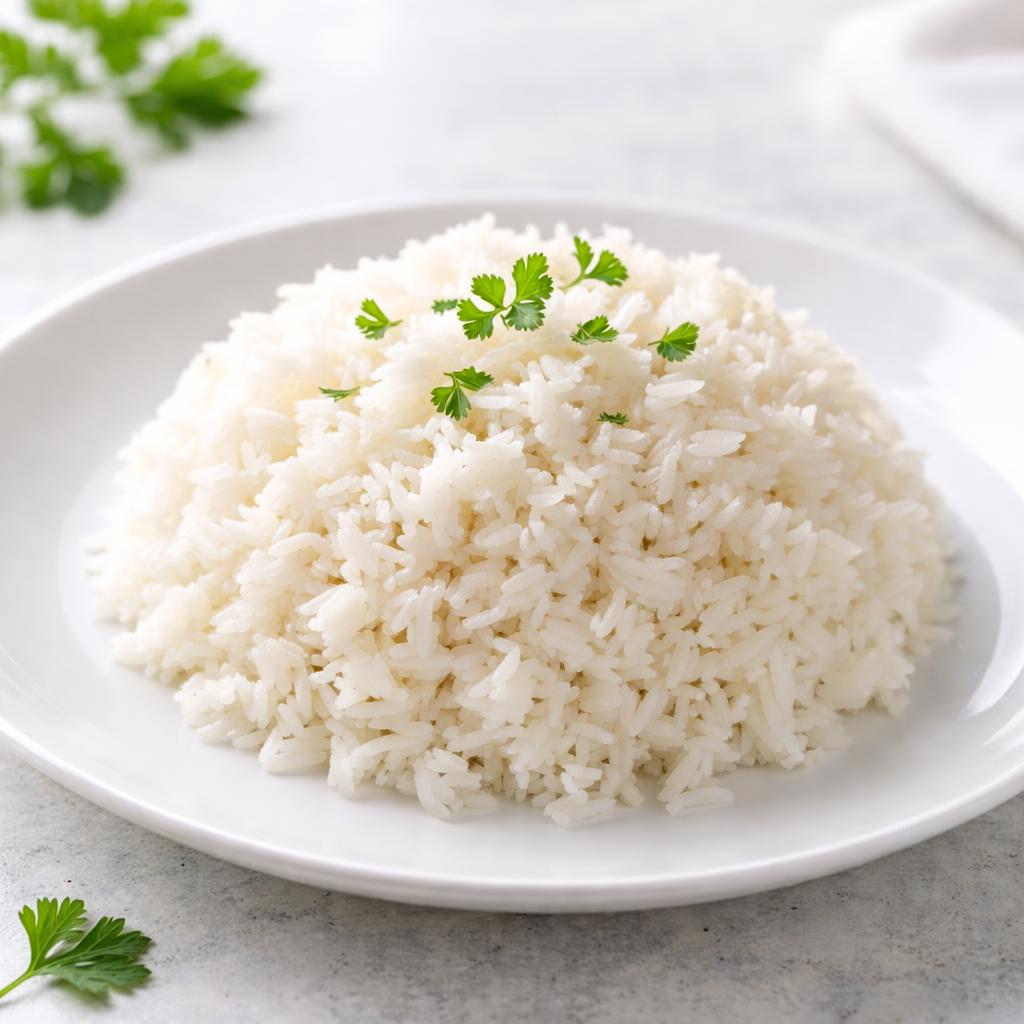
White Rice
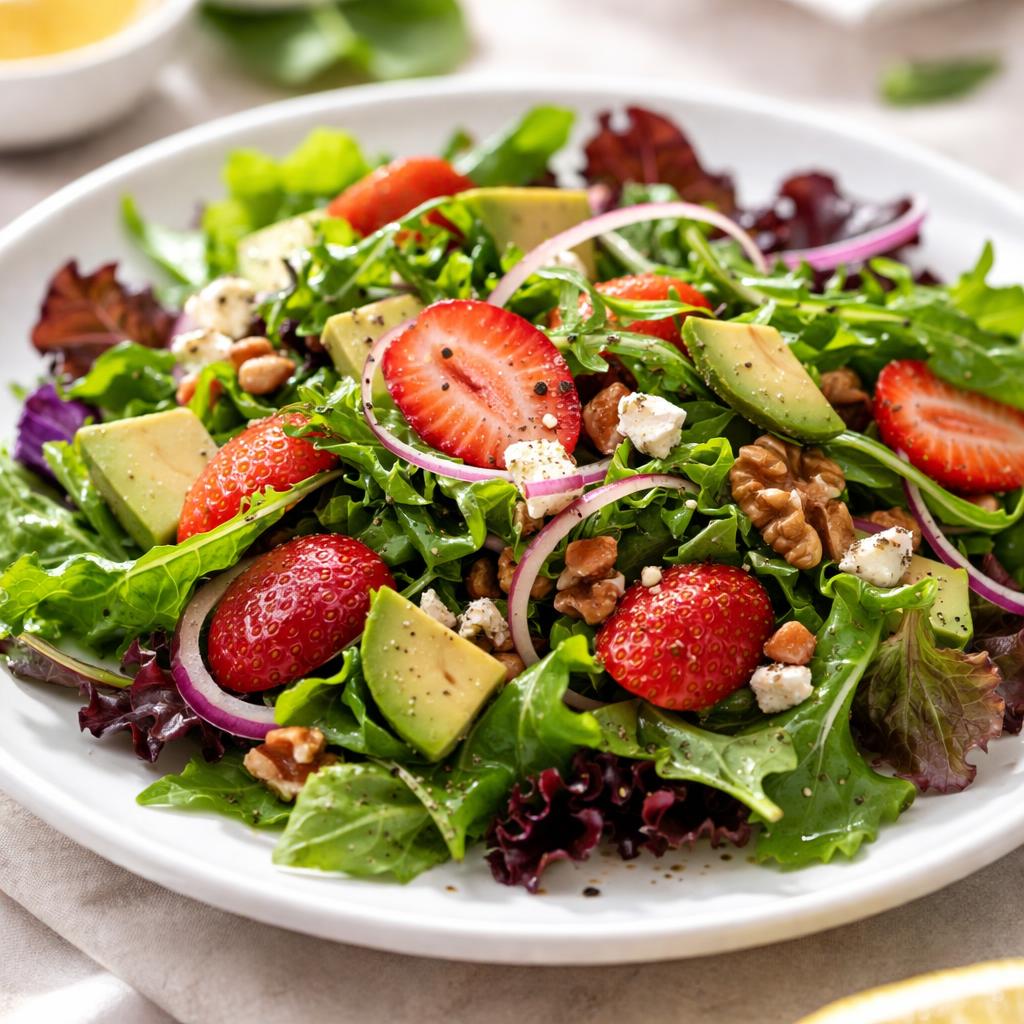
Spring Mix Salad
🎯 Quick Verdict
Spring mix salad is a nutrient-dense food offering lower calories, higher fiber, and slightly more protein compared to white rice, which is primarily a carbohydrate source. White rice is a great option for quick energy and pairing with protein-based dishes, while spring mix contributes to a healthier diet, rich in vitamins and minerals, ideal for weight management and overall wellness.

Smart Nutrition Tracking with SnapCalorie

📊 Nutritional Comparison
Macronutrients
| Nutrient | Food 1 | Food 2 | Winner |
|---|---|---|---|
| Calories | 130 | 20 | ✓ |
| Protein | 2.7g | 2g | ✓ |
| Carbs | 28g | 3g | ✓ |
| Fat | 0.2g | 0g | − |
| Fiber | 0.4g | 2g | ✓ |
Vitamins & Minerals
| Nutrient | Food 1 | Food 2 | Winner |
|---|---|---|---|
| Vitamin A | 0 | 3300IU | ✓ |
| Vitamin C | 0 | 10mg | ✓ |
| Calcium | 10mg | 50mg | ✓ |
| Iron | 0.2mg | 1.2mg | ✓ |
🏆 Category Winners
Protein
While white rice has slightly more protein, the difference is minor (0.7g per serving).
Fiber
Spring mix salad offers five times the amount of fiber per serving.
Calories
Spring mix salad contains only 20 calories per serving, considerably lower than white rice.
🥗 Diet Compatibility
Keto
Food 1: Not Compatible
Food 2: Compatible
Food2 is low-carb and suitable for keto diets, whereas food1 is high-carb.
Vegan
Food 1: Compatible
Food 2: Compatible
Both foods are plant-based.
Gluten Free
Food 1: Compatible
Food 2: Compatible
Neither food contains gluten.
Paleo
Food 1: Not Compatible
Food 2: Compatible
Food2 aligns with paleo principles, while white rice does not.
Low-Carb
Food 1: Not Compatible
Food 2: Compatible
Spring mix salad has very low carbs compared to the carb-dense white rice.
💪 Health Benefits Comparison
Food 1 Benefits
- Provides quick, accessible energy
- Pairs well with high-protein dishes for balanced meals
- Easy to digest and suitable for sensitive stomachs
Food 2 Benefits
- High in vitamins A and C for immune support
- Low-calorie option for weight management
- Rich in fiber to promote digestion and gut health
- Good source of antioxidants and minerals
✅ The Bottom Line
Spring mix salad is the healthier choice for weight management, nutrient density, and fiber intake, especially for those on low-carb or keto diets. White rice is better suited for athletes or anyone needing a quick energy source in high-carb diets. Choose food1 for energy-heavy meals and food2 for lighter, nutrient-rich dishes.
Choose Food 1 for: Energy replenishment, pairing with protein, light digestion
Choose Food 2 for: Weight loss, nutrient density, gut health


