White Rice VS Rice Noodles
A detailed nutritional comparison
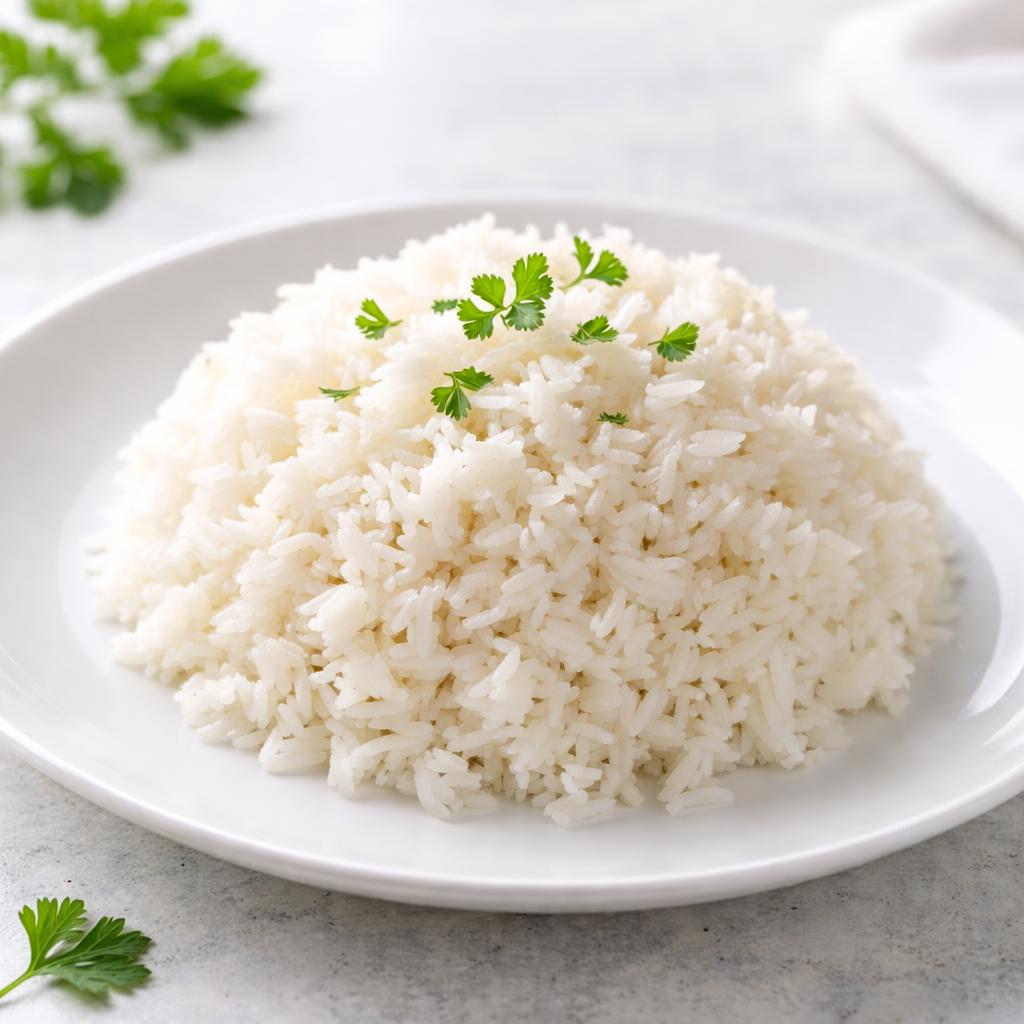
White Rice
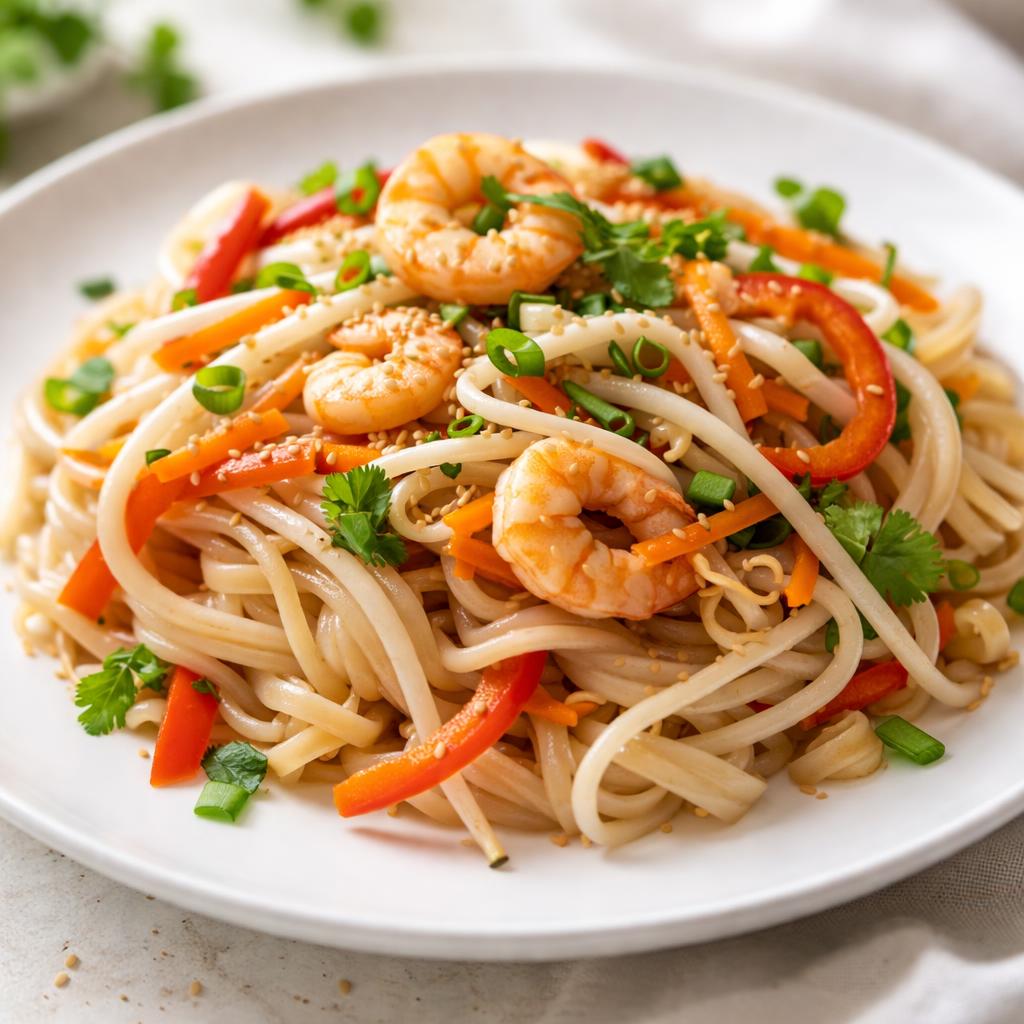
Rice Noodles
🎯 Quick Verdict
White rice and rice noodles have similar nutritional profiles with subtle differences. Rice noodles are slightly lower in calories and contain more fiber. White rice offers a more neutral flavor and versatility, making it an excellent staple for various dishes. Rice noodles might be preferable for lighter meals or gluten-free diets.

Smart Nutrition Tracking with SnapCalorie

📊 Nutritional Comparison
Macronutrients
| Nutrient | Food 1 | Food 2 | Winner |
|---|---|---|---|
| Calories | 200 | 190 | ✓ |
| Protein | 4g | 3g | ✓ |
| Carbs | 45g | 43g | ✓ |
| Fat | 0.5g | 1g | ✓ |
| Fiber | 0.5g | 2g | ✓ |
Vitamins & Minerals
| Nutrient | Food 1 | Food 2 | Winner |
|---|---|---|---|
| Vitamin D | 0mcg | 0mcg | − |
| Calcium | 10mg | 20mg | ✓ |
| Iron | 0.6mg | 0.5mg | ✓ |
🏆 Category Winners
Protein
Both foods provide similar low protein levels.
Fiber
Rice noodles contain four times as much fiber as white rice.
Calories
Rice noodles are slightly lower in calories by 5% per serving.
Vitamins
Rice noodles offer slightly more calcium.
🥗 Diet Compatibility
Keto
Food 1: Not Compatible
Food 2: Not Compatible
Both foods are high in carbs and not suitable for keto diets.
Vegan
Food 1: Compatible
Food 2: Compatible
Both foods are plant-based and align with vegan diets.
Gluten Free
Food 1: Compatible
Food 2: Compatible
Both are naturally gluten-free options.
Paleo
Food 1: Partially Compatible
Food 2: Partially Compatible
White rice and rice noodles may be consumed in moderation on some paleo interpretations but are generally considered processed.
Low Carb
Food 1: Not Compatible
Food 2: Not Compatible
Both foods are high in carbohydrates and unsuitable for low-carb diets.
💪 Health Benefits Comparison
Food 1 Benefits
- Provides a quick source of carbohydrates for energy
- Easy to digest, making it suitable for sensitive stomachs
- Versatile and can complement various balanced meals
Food 2 Benefits
- Lower in calories compared to white rice
- Higher fiber content to aid digestion and gut health
- Naturally gluten-free and suitable for food allergies
✅ The Bottom Line
White rice and rice noodles are nutritionally similar, with rice noodles offering slightly more fiber and being lower in calories. White rice is ideal for versatile dishes and energy replenishment, while rice noodles are a lighter option suitable for gluten-free diets.
Choose Food 1 for: General meals, energy replenishment, high carb needs
Choose Food 2 for: Gluten-free diets, light dishes, improved digestion


