White Rice VS Jasmine Rice
A detailed nutritional comparison
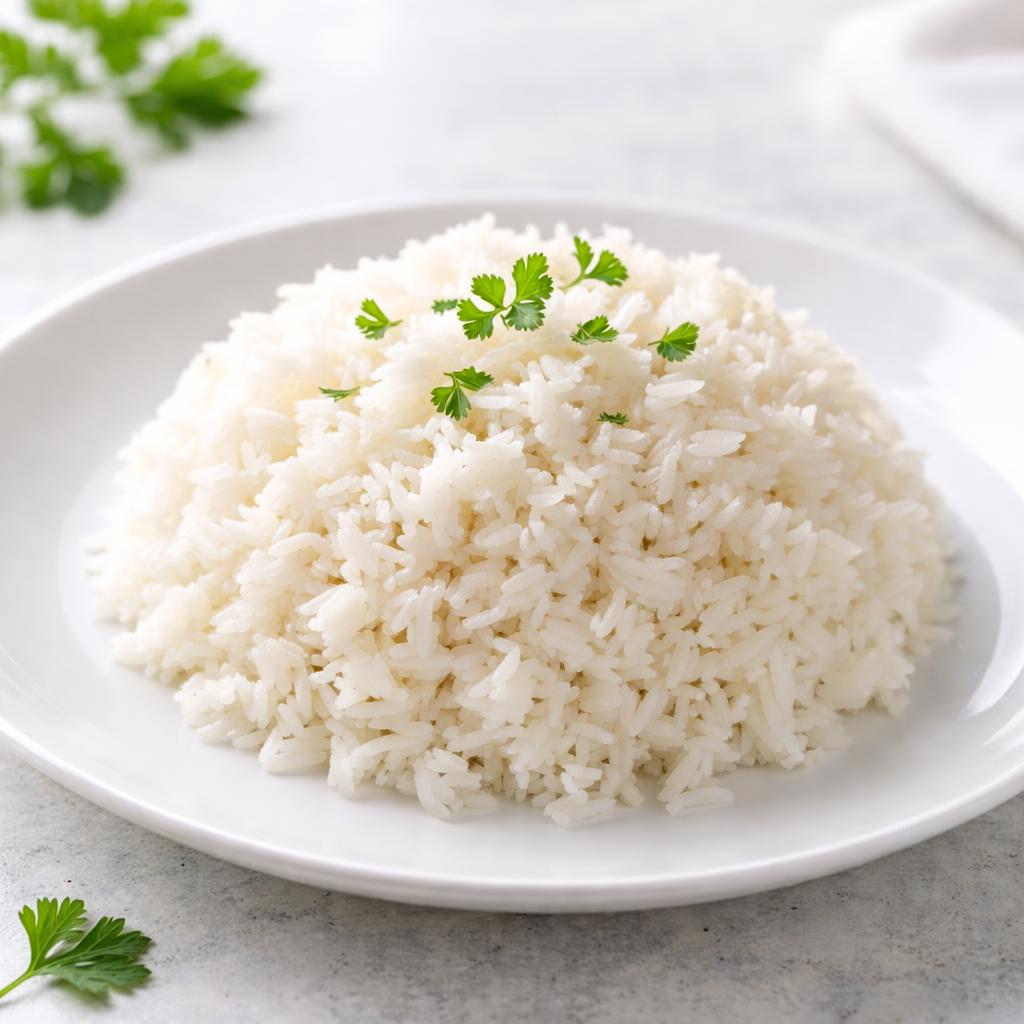
White Rice
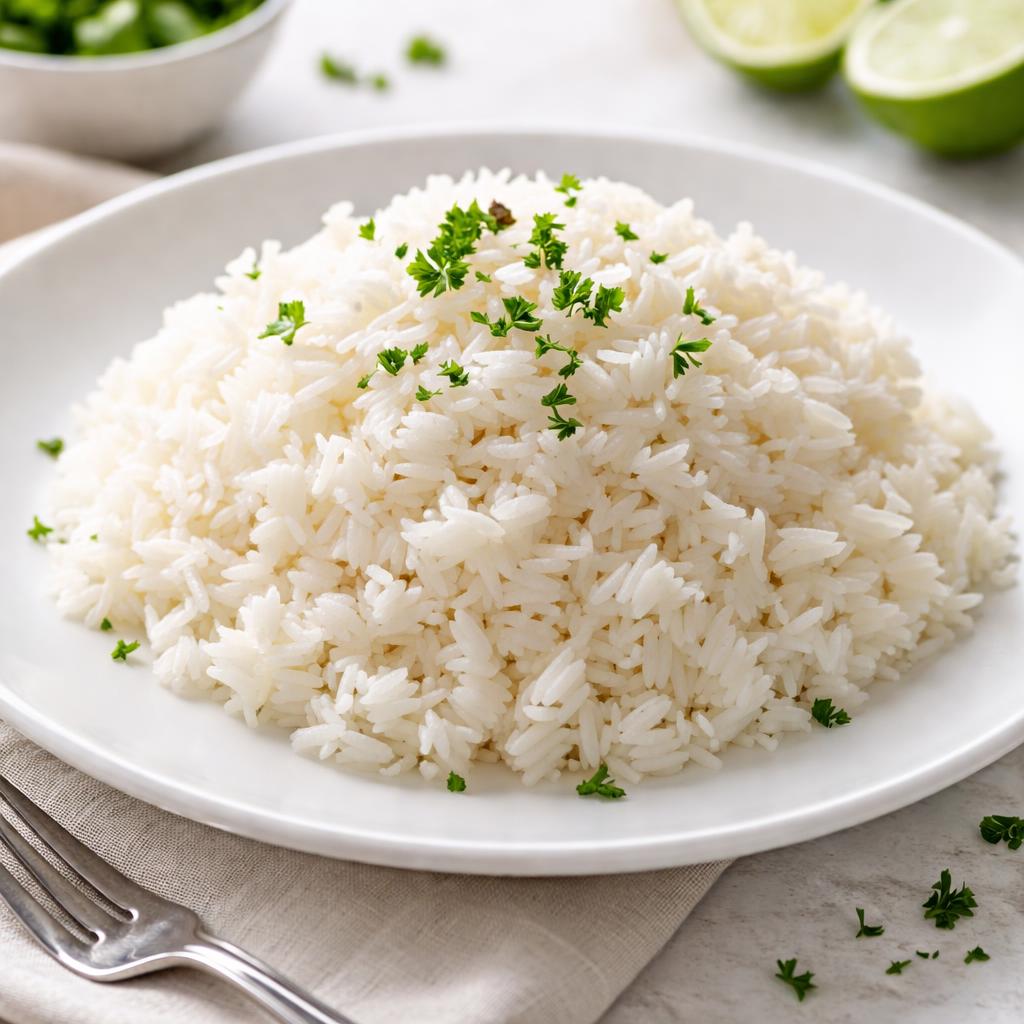
Jasmine Rice
🎯 Quick Verdict
White rice and jasmine rice have similar nutritional profiles, with comparable calorie content and macronutrient distribution. Jasmine rice has a slightly more aromatic flavor, making it better for certain Asian dishes, while white rice is a more neutral and versatile option suitable for a variety of cuisines.

Smart Nutrition Tracking with SnapCalorie

📊 Nutritional Comparison
Macronutrients
| Nutrient | Food 1 | Food 2 | Winner |
|---|---|---|---|
| Calories | 205 calories per cup (cooked) | 205 calories per cup (cooked) | − |
| Protein | 4.2g | 4g | − |
| Carbs | 45g | 45g | − |
| Fat | 0.4g | 0.4g | − |
| Fiber | 0.6g | 0.5g | − |
Vitamins & Minerals
| Nutrient | Food 1 | Food 2 | Winner |
|---|---|---|---|
| Vitamin B6 | 0.1mg | 0.2mg | ✓ |
| Thiamin (Vitamin B1) | 0.3mg | 0.2mg | ✓ |
| Folate | 90mcg | 87mcg | ✓ |
🏆 Category Winners
Protein
Both foods offer similar protein content—around 4g per cup (cooked).
Fiber
Fiber levels are low and nearly identical in both (0.5-0.6g per cup cooked).
Calories
Both options provide the same caloric content (~205 per cooked cup).
🥗 Diet Compatibility
Keto
Food 1: Not Compatible
Food 2: Not Compatible
Both are high in carbohydrates (45g per cup).
Vegan
Food 1: Compatible
Food 2: Compatible
Rice is plant-based and suitable for vegan diets.
Gluten Free
Food 1: Compatible
Food 2: Compatible
Rice naturally contains no gluten.
Paleo
Food 1: Compatible
Food 2: Compatible
Rice is allowed in strict paleo diets in moderation.
Low-Carb
Food 1: Not Compatible
Food 2: Not Compatible
Both are high-carb, with 45g of carbohydrates per serving.
💪 Health Benefits Comparison
Food 1 Benefits
- Neutral flavor ideal for numerous dishes
- Rich in folate for cell reproduction
- Quick and easy source of energy
Food 2 Benefits
- Aromatic flavor enhances meals
- Provides small amounts of Vitamin B6 for metabolism
- Contains trace antioxidants
✅ The Bottom Line
Both white rice and jasmine rice are nutritionally similar, making them interchangeable in most cases. Choose jasmine rice for dishes that benefit from its aromatic flavor, and opt for white rice when you need a more neutral base for meals.
Choose Food 1 for: Versatile dishes, meal prepping, neutral flavor base
Choose Food 2 for: Southeast Asian cuisine, enhanced aromatic experience, special recipes


