White Rice VS Hollandaise Sauce
A detailed nutritional comparison
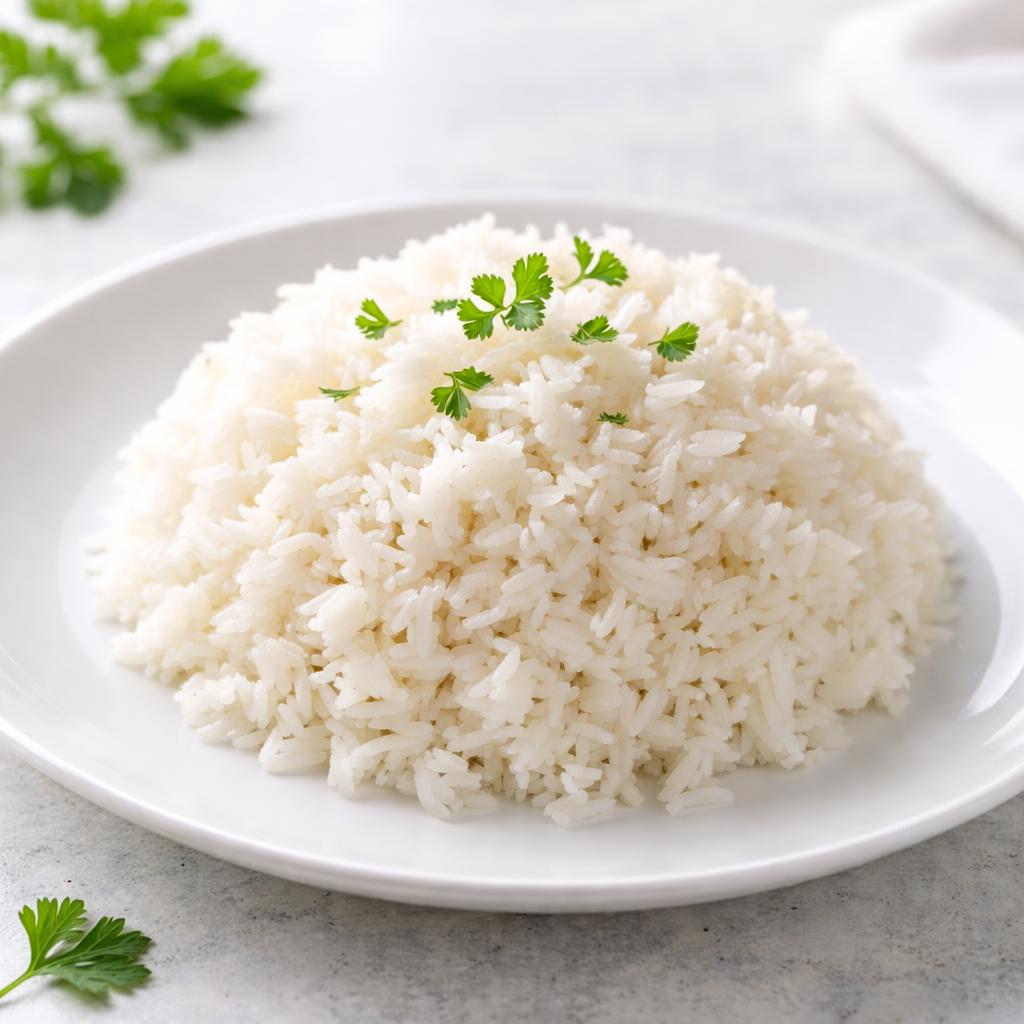
White Rice
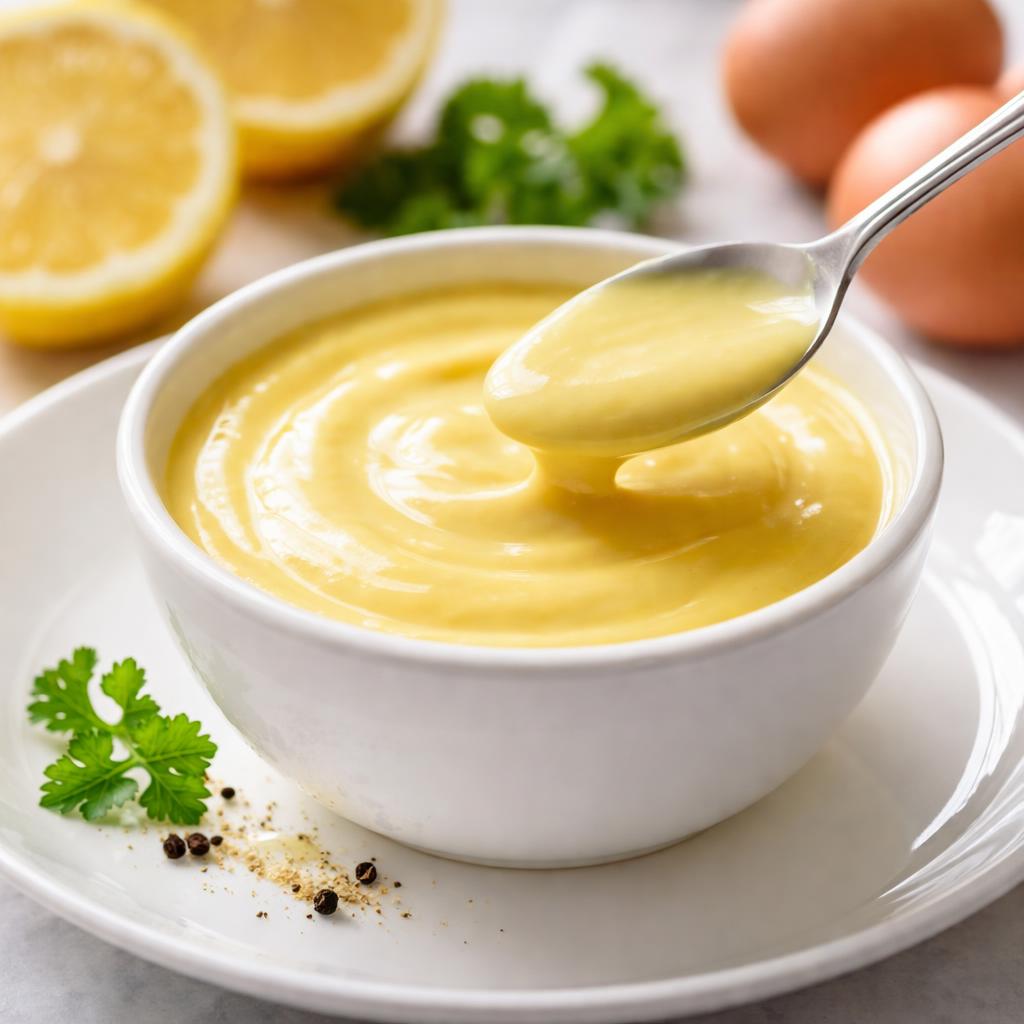
Hollandaise Sauce
🎯 Quick Verdict
White rice provides a simple carbohydrate source, lower in calories and fat, suitable for quick energy without excess nutrients. Hollandaise sauce is a calorie-dense condiment mainly composed of fats, offering rich flavor but limited micronutrients. White rice works well as a staple carb, while hollandaise is best used sparingly for flavor enhancement.

Smart Nutrition Tracking with SnapCalorie

📊 Nutritional Comparison
Macronutrients
| Nutrient | Food 1 | Food 2 | Winner |
|---|---|---|---|
| Calories | 130 | 250 | ✓ |
| Protein | 2.4g | 2g | ✓ |
| Carbs | 28g | 1g | ✓ |
| Fat | 0.3g | 24g | ✓ |
| Fiber | 0.4g | 0g | ✓ |
Vitamins & Minerals
| Nutrient | Food 1 | Food 2 | Winner |
|---|---|---|---|
| Vitamin D | 0mcg | 0.4mcg | ✓ |
| Calcium | 10mg | 15mg | ✓ |
| Iron | 0.2mg | 0.3mg | ✓ |
🏆 Category Winners
Protein
White rice has slightly more protein per serving.
Fiber
White rice contains some fiber, whereas hollandaise has none.
Calories
White rice has about half the calories of hollandaise sauce, making it lighter.
🥗 Diet Compatibility
Keto
Food 1: Not Compatible
Food 2: Compatible
Hollandaise sauce is low-carb and high-fat, ideal for keto.
Vegan
Food 1: Compatible
Food 2: Not Compatible
White rice is plant-based, while hollandaise contains butter and egg yolks.
Gluten Free
Food 1: Compatible
Food 2: Compatible
Both foods are naturally gluten-free.
Paleo
Food 1: Compatible
Food 2: Compatible
White rice and hollandaise fit within typical paleo guidelines, though hollandaise should use paleo-approved butter.
Low-Carb
Food 1: Not Compatible
Food 2: Compatible
Hollandaise sauce is low in carbohydrates, while white rice is primarily carbs.
💪 Health Benefits Comparison
Food 1 Benefits
- Quick source of energy from carbohydrates
- Low in fat and cholesterol
- Easy to digest and suitable for sensitive stomachs
Food 2 Benefits
- Rich in healthy fats for energy and satiety
- Source of essential vitamins (Vitamin D, Calcium)
- Adds flavor and richness without carbs
✅ The Bottom Line
White rice is a better choice for those seeking low-calorie, quick energy or a light carb base for meals. Hollandaise sauce should be used sparingly as a flavor enhancer due to its high fat and calorie content. Choose white rice for everyday meal staples and hollandaise for indulgent dishes or keto-friendly diets.
Choose Food 1 for: Weight management, meal carb base, sensitive digestion
Choose Food 2 for: Rich flavor addition, keto diets, high-fat nutrient source


