White Rice VS Green Rice
A detailed nutritional comparison
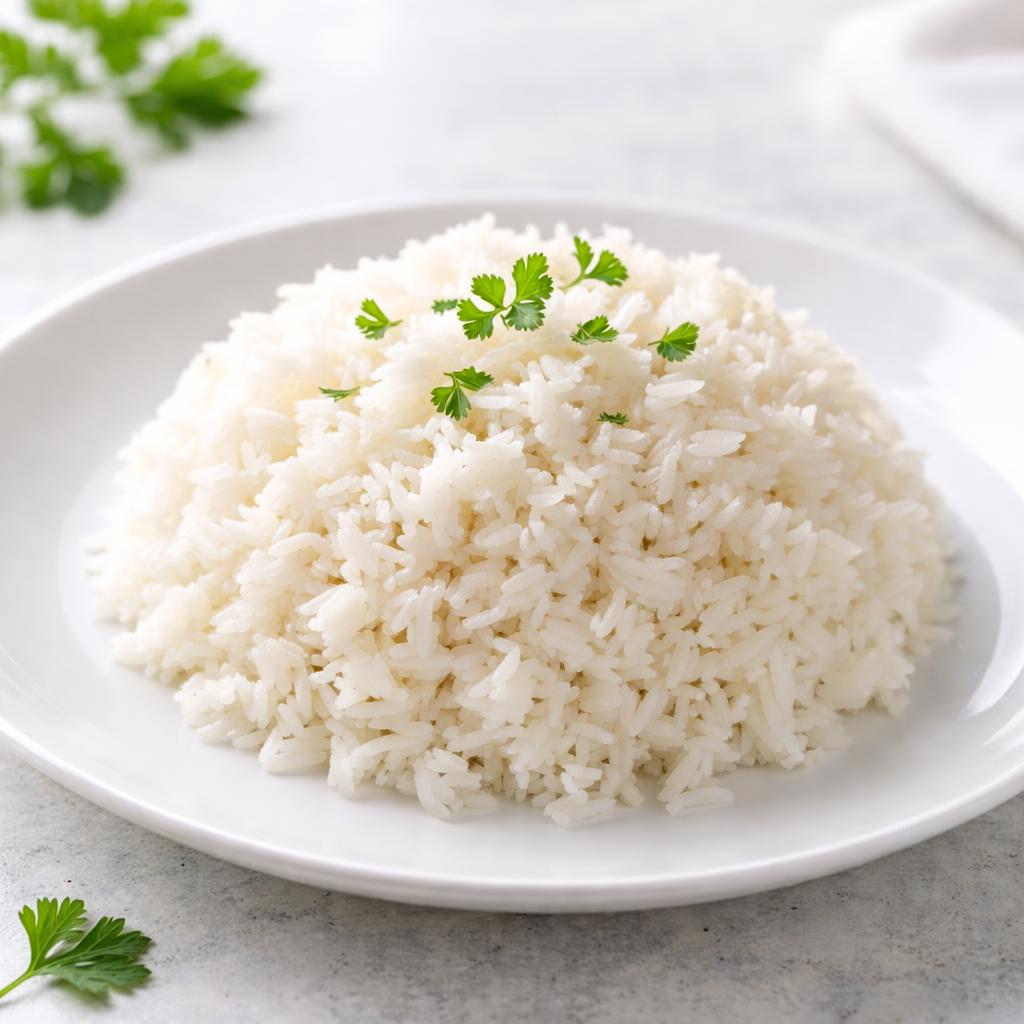
White Rice
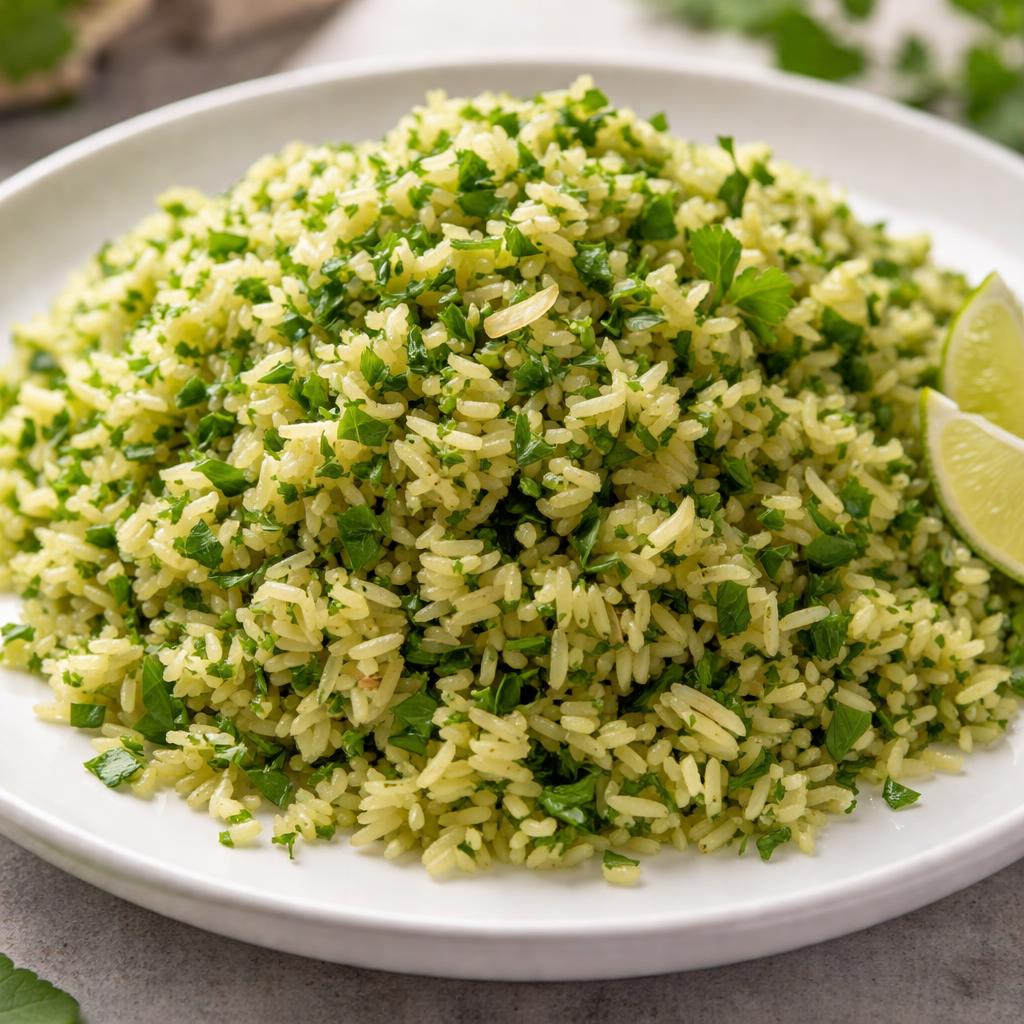
Green Rice
🎯 Quick Verdict
Green rice is nutritionally superior to white rice due to its higher protein (4g vs. 2g per serving) and fiber content (3g vs. 0.5g per serving). While both provide similar calories (150 per cup), green rice contains added nutrients from herbs and vegetables, making it better for overall health and digestion, while white rice is a simple energy source that pairs well with any dish.

Smart Nutrition Tracking with SnapCalorie

📊 Nutritional Comparison
Macronutrients
| Nutrient | Food 1 | Food 2 | Winner |
|---|---|---|---|
| Calories | 150 | 150 | − |
| Protein | 2g | 4g | ✓ |
| Carbs | 34g | 30g | ✓ |
| Fat | 0.5g | 2g | ✓ |
| Fiber | 0.5g | 3g | ✓ |
Vitamins & Minerals
| Nutrient | Food 1 | Food 2 | Winner |
|---|---|---|---|
| Vitamin D | 0mcg | 0mcg | − |
| Vitamin A | 0mcg | 50mcg | ✓ |
| Calcium | 10mg | 40mg | ✓ |
| Iron | 1mg | 1.5mg | ✓ |
🏆 Category Winners
Protein
Green rice has double the protein content compared to white rice.
Fiber
Green rice contains significantly more fiber (3g vs. 0.5g).
Calories
Both have the same calorie value per serving (150).
Vitamins
Green rice has enhanced vitamin A, iron, and calcium levels from added vegetables and herbs.
🥗 Diet Compatibility
Keto
Food 1: Not Compatible
Food 2: Not Compatible
Both are high-carb foods not suited for ketogenic diets.
Vegan
Food 1: Compatible
Food 2: Compatible
Both are plant-based and suitable for vegan diets.
Gluten Free
Food 1: Compatible
Food 2: Compatible
Neither food contains any gluten.
Paleo
Food 1: Compatible
Food 2: Compatible
Both fit into paleo diets while avoiding processed ingredients.
Low-Carb
Food 1: Not Compatible
Food 2: Not Compatible
Neither is low in carbohydrates, with over 30g per serving.
💪 Health Benefits Comparison
Food 1 Benefits
- Quick energy source due to high carbohydrate content
- Pairs well with a wide variety of dishes
- Low fat content makes it suitable for low-fat diets
Food 2 Benefits
- Higher fiber supports digestion and gut health
- Enhanced nutrient content improves overall wellness
- Contains antioxidants from added herbs and vegetables
✅ The Bottom Line
Green rice takes the lead with better overall nutrition, offering more protein, fiber, and vitamins compared to white rice. White rice, however, remains a versatile choice for those seeking a clean carbohydrate source.
Choose Food 1 for: Simple energy source, versatility in recipes, budget-friendly option
Choose Food 2 for: Improved digestion, sustained energy, nutrient-rich meals


