White Rice VS Green Cabbage
A detailed nutritional comparison
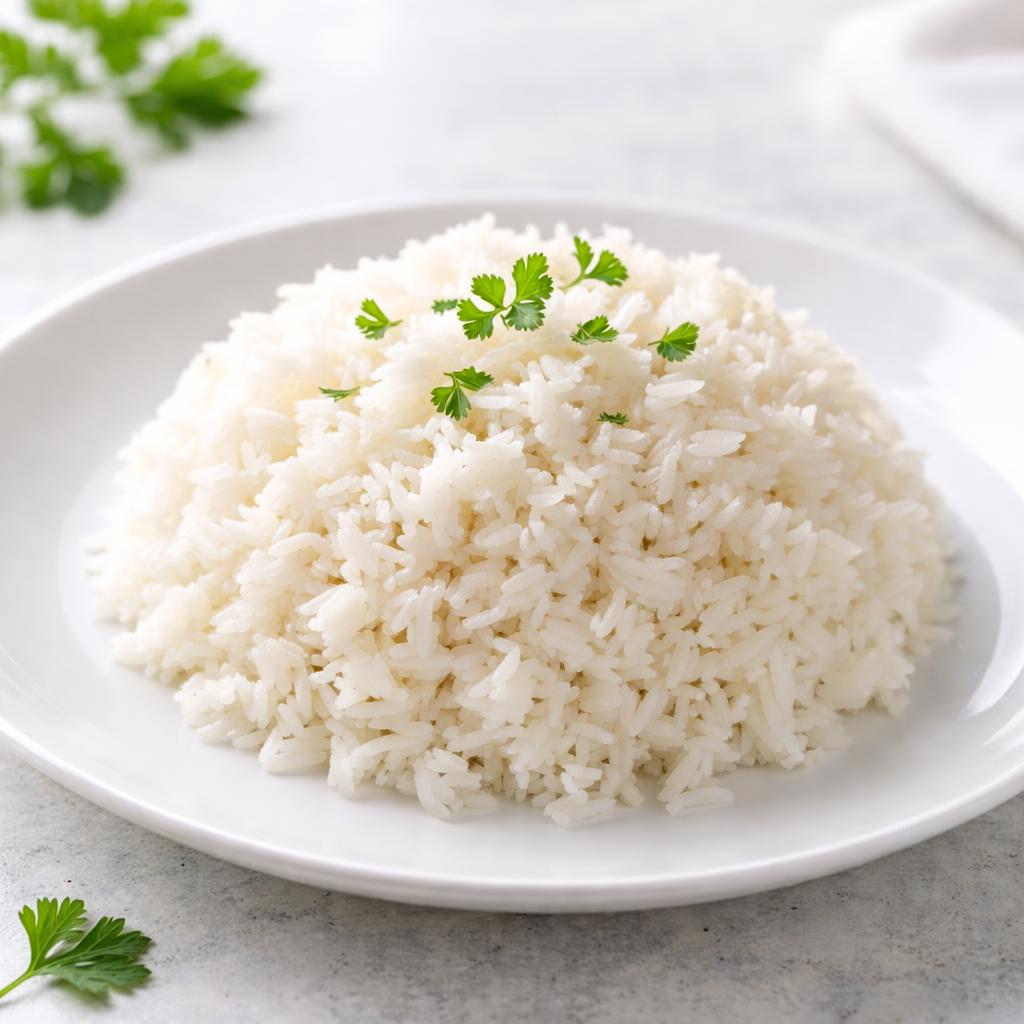
White Rice
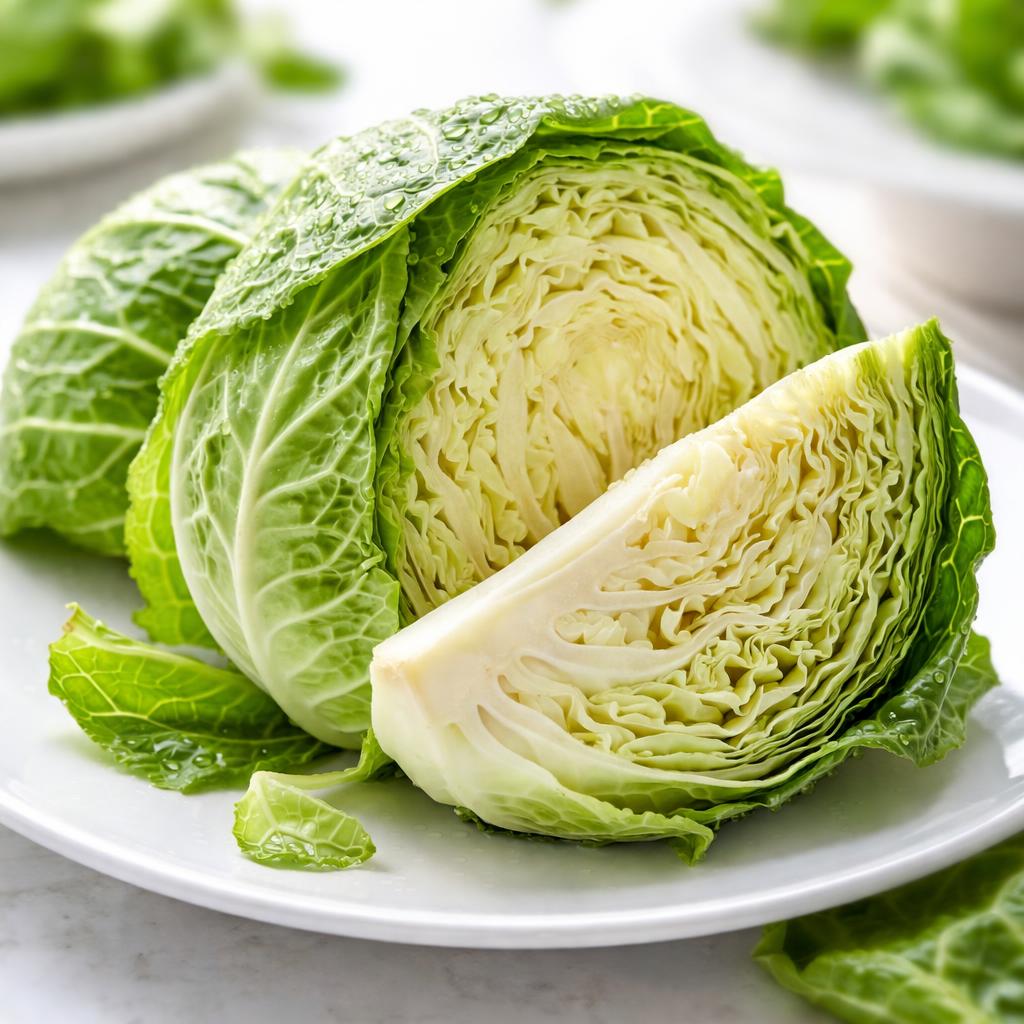
Green Cabbage
🎯 Quick Verdict
Green cabbage stands out as a nutrient-dense, low-calorie vegetable, offering significantly more fiber, vitamins, and antioxidants than white rice. White rice is higher in carbohydrates and provides quick energy, making it ideal for athletes or those needing fast fuel. Cabbage is better suited for weight loss or nutrient-rich meal plans, while rice works best for energy-centric diets.

Smart Nutrition Tracking with SnapCalorie

📊 Nutritional Comparison
Macronutrients
| Nutrient | Food 1 | Food 2 | Winner |
|---|---|---|---|
| Calories | 130 per cup (cooked) | 25 per cup (raw) | ✓ |
| Protein | 2.7g | 1.3g | − |
| Carbs | 28g | 5g | ✓ |
| Fat | 0.3g | 0.1g | ✓ |
| Fiber | 0.4g | 2.2g | ✓ |
Vitamins & Minerals
| Nutrient | Food 1 | Food 2 | Winner |
|---|---|---|---|
| Vitamin C | 0mg | 32mg | ✓ |
| Vitamin K | 0.1mcg | 67mcg | ✓ |
| Folate | 2mcg | 38mcg | ✓ |
| Potassium | 35mg | 150mg | ✓ |
🏆 Category Winners
Protein
Both foods contain minimal protein (under 3g per serving).
Fiber
Food2 offers 5 times more fiber, promoting digestive health.
Calories
Green cabbage is far lower in calories, ideal for weight loss.
Vitamins
Cabbage is rich in vitamin C, K, folate, and potassium, supporting immunity and bone health.
🥗 Diet Compatibility
Keto
Food 1: Not Compatible
Food 2: Compatible
Food2 is low-carb (5g per serving), while food1 is high-carb (28g per serving).
Vegan
Food 1: Compatible
Food 2: Compatible
Both foods are completely plant-based.
Gluten Free
Food 1: Compatible
Food 2: Compatible
Neither food contains gluten.
Paleo
Food 1: Compatible
Food 2: Compatible
Both are natural, unprocessed foods suitable for paleo diets.
Low-Carb
Food 1: Not Compatible
Food 2: Compatible
Green cabbage has far fewer carbohydrates, aligning with low-carb diets.
💪 Health Benefits Comparison
Food 1 Benefits
- Provides quick energy from carbohydrates.
- Gluten-free and hypoallergenic for sensitive diets.
- Neutral flavor makes it versatile in various cuisines.
Food 2 Benefits
- Rich in antioxidants for immune health.
- Supports digestion with high fiber content.
- Low-calorie option for weight management.
- Contains vitamin K for bone and heart health.
✅ The Bottom Line
If you're looking for a nutrient-dense, low-calorie addition to meals, green cabbage is the better choice with its high fiber and vitamin content. For quick energy or when adding calories to a meal, white rice is the better option, especially for athletes or high-energy diets.
Choose Food 1 for: Energy boost, carbohydrate-heavy meals, low-flavor base for dishes.
Choose Food 2 for: Weight management, high-fiber, nutrient-dense meals, immunity support.


